
Make your style unforgettable by embracing bold statement pieces. Choose vibrant colors, striking patterns, or unique accessories that capture attention. Mix and match textures for an eye-catching contrast. Confidence is key—wear what makes you feel powerful. Elevate your look with standout shoes or a statement bag. Remember, fashion is an expression of individuality, so let your personality shine through! A bold outfit changes the way a room feels when you walk in. It does not need to be loud from head to toe, and it does not have to follow every trend. The strongest statement looks usually come from clear choices: a striking color, an unusual pattern, a sculptural bag, a dramatic shoe, or one detail that feels deeply personal.
Style stands out when it looks intentional. That intention can be polished, playful, artistic, edgy, romantic, sporty, or all of those at once. The goal is not to dress like someone else. The goal is to build a wardrobe that gives your personality room to show up before you say a word.
Bold fashion works best when it feels connected to real life. A cobalt coat over jeans. A printed skirt with a white tank. Red boots with a black dress. A stack of rings that turns a simple outfit into something memorable. Statement dressing is less about “too much” and more about knowing what you want your clothes to say.
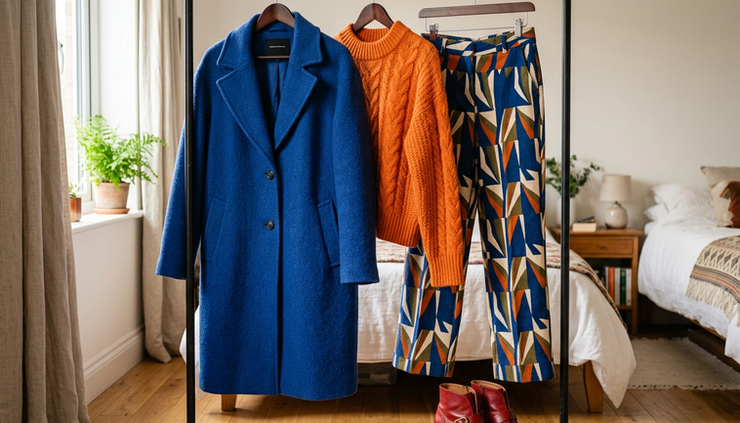
Start with color that matches your energy
Color is usually the fastest way to create a statement look. It catches the eye before cut, texture, or accessories. The right shade can make a simple outfit feel confident, creative, and fresh.
That does not mean every outfit needs five bright colors. Some of the boldest looks come from one strong color used with purpose. A red suit. A lime sweater with dark denim. A pink dress with silver flats. A mustard coat over a cream outfit. Each one sends a clear signal.
Choose a color anchor
A color anchor is the main shade your outfit is built around. It gives the look direction, even when the rest of the pieces are simple.
Strong color anchors include:
Cobalt blue
Cherry red
Emerald green
Tangerine
Hot pink
Sunshine yellow
Deep purple
Acid green
Metallic silver or gold
Once you choose the anchor, let the rest of the outfit support it. If the anchor is a bright blazer, pair it with jeans, a fitted tee, and clean shoes. If the anchor is a neon skirt, try a black sweater and simple earrings. The bold piece gets to lead.
Try color blocking without overthinking it
Color blocking means wearing solid colors next to each other in a clear, graphic way. It can feel bold without relying on prints or complex styling.
A few reliable combinations:
Red and pink
Blue and green
Orange and purple
Yellow and gray
Black and white with one bright color
Warm, expressive, and romantic
Cool, modern, and easy to wear
Artistic and high-impact
Bright but grounded
Sharp and beginner-friendly
If full color blocking feels new, start with accessories. Try a green bag with a blue cardigan, or red shoes with a pink top. Smaller pieces let you test combinations before wearing a full color story.
Use neutrals as a frame
Neutrals are not boring. They create contrast and help bold colors look more deliberate. Black, white, denim, tan, gray, navy, and cream can make bright shades easier to wear.
A bright orange sweater with tan trousers feels warm and relaxed. A purple satin skirt with a white button-front shirt feels crisp. A green mesh top under a black jacket feels edgy without becoming costume-like.
Think of neutrals as the frame around a painting. They do not hide the color. They help it stand out.
Let patterns give your outfit a point of view
Patterns add movement, personality, and surprise. They can make everyday pieces feel original, especially when used in shapes you already like.
If color is the first thing people notice, pattern is often what makes them look twice.
Pick patterns that feel like you
A pattern should match your mood, not just a trend. Someone who loves clean lines might feel best in stripes, checks, or graphic shapes. Someone drawn to romance might prefer florals, swirls, or painterly prints. Someone with an edgy personal style might lean toward animal print, abstract graphics, tartan, or high-contrast motifs.
Common statement patterns include:
Wide stripes
Checkerboard
Leopard or zebra print
Oversized florals
Plaid
Polka dots
Abstract shapes
Graphic black-and-white prints
Patchwork
Tie-dye or watercolor effects
The same pattern can feel different depending on the item. Leopard print ballet flats read playful. A leopard print coat reads dramatic. A striped tee feels classic. Striped trousers feel more daring.
Mix patterns with one shared detail
Pattern mixing can look effortless when the prints share something in common. That shared detail might be color, scale, mood, or shape.
Try these pairings:
A black-and-white striped top with a black-and-white floral skirt
A navy plaid blazer with a blue striped shirt
A small polka dot blouse with a large floral scarf
A zebra print shoe with a black-and-white checker bag
A red tartan skirt with a red graphic tee
The easiest rule is to keep one pattern smaller and one pattern larger. A small stripe can act almost like a neutral, while a large floral or animal print becomes the focus.
Balance busy prints with clean silhouettes
A dramatic print feels more wearable when the shape is simple. A printed slip skirt, straight-leg trouser, boxy jacket, or classic button-front shirt lets the pattern shine.
If the print is very bold, avoid adding too many extra design details. Ruffles, cutouts, fringe, pleats, and embellishment can all work, but they compete for attention. Choose one or two strong elements and let them breathe.
A patterned blazer over a plain tank and trousers can look just as bold as a fully printed outfit. The key is confidence, not quantity.
Use accessories as your signature
Accessories are powerful because they can change the entire mood of an outfit. A white tank and jeans can look minimal with simple sandals, western with a tooled belt, glam with rhinestone earrings, or artsy with a sculptural necklace and bright bag.
This is where statement pieces earn their place. They help you make a fashion statement without replacing your whole wardrobe.

Choose one accessory to lead
A bold accessory works best when it has a role. It can add color, texture, shine, shape, or attitude.
Strong options include:
Oversized earrings
Chunky rings
Sculptural cuffs
Bright handbags
Patterned scarves
Wide belts
Statement sunglasses
Metallic boots
Colorful sneakers
Hair clips, bows, or wraps
Unusual hats
If the outfit already has a lot going on, choose one accessory to lead. A printed dress may only need red earrings. A simple black jumpsuit can handle a silver belt, stacked bracelets, and dramatic shoes.
If the outfit is very plain, accessories can carry the whole look. A white tee, wide-leg jeans, green heels, and large gold hoops can feel intentional and bold.
Use shoes to shift the attitude
Shoes can make an outfit feel softer, sharper, more casual, or more dramatic. The same dress changes completely with sneakers, platform sandals, cowboy boots, combat boots, or pointed flats.
For a standout style, shoes are often the easiest place to experiment because they do not sit right next to the face. That makes bold choices feel less intimidating.
Try these outfit shifts:
Slip dress and chunky boots
Wide-leg jeans and metallic flats
Black trousers and red heels
Midi skirt and colorful sneakers
Simple dress and patterned boots
Romantic with edge
Casual with shine
Classic with drama
Playful and relaxed
Minimal with personality
When in doubt, let your shoes repeat one color from the outfit. A blue print dress with blue heels feels pulled together, even if the shoes are bright.
Build a small accessory wardrobe
A strong accessory wardrobe does not need to be huge. It needs range.
Start with a mix of pieces that serve different moods:
One bright bag
One metallic shoe
One pair of oversized earrings
One patterned scarf
One belt with presence
One pair of statement sunglasses
One playful everyday shoe
These pieces can refresh basics and help older clothes feel new. They also give you more ways to express yourself without buying an entire outfit every time your style shifts.
Mix different styles with confidence
The most interesting outfits often come from contrast. A sporty jacket with a silky skirt. A structured blazer with distressed denim. A romantic blouse with leather pants. A vintage cardigan with futuristic sunglasses.
Mixing styles keeps a bold look from feeling flat. It also helps your wardrobe feel more personal because you are not dressing inside one narrow category.
Pair opposites on purpose
Opposites create tension, and tension makes an outfit memorable. The trick is to make the contrast look chosen.
Try these combinations:
Feminine and tough Lace blouse, straight-leg jeans, moto boots
Sporty and polished Track jacket, tailored trousers, clean sneakers
Vintage and modern Retro printed blouse, sleek black skirt, silver jewelry
Minimal and dramatic Plain column dress, oversized colored coat
Casual and glamorous Graphic tee, satin skirt, chandelier earrings
The look works when each element has space. If every piece fights for attention, edit one thing out. If the outfit feels too safe, add one stronger piece.
Repeat a color, texture, or shape
Repetition makes mixed styles feel connected. This is especially useful when pairing pieces that seem unrelated.
A sporty red jacket and red lipstick create a link. Suede loafers and a suede bag make a mixed outfit feel grounded. Round sunglasses and a round bag echo each other in a subtle way. Silver hardware on boots, jewelry, and a belt can tie together an edgy outfit.
These small connections help the eye understand the outfit. They also make experimentation feel less random.
Use proportions to create impact
Bold style is not only about color and accessories. Shape matters. Oversized, cropped, fitted, long, wide, and structured pieces all change the energy of a look.
A few proportion ideas to try:
Oversized blazer with a fitted tank and slim skirt
Cropped jacket with high-rise wide-leg pants
Long coat with a mini dress and tall boots
Voluminous skirt with a simple sleeveless top
Baggy jeans with a sharp pointed shoe
Boxy sweater with a satin slip skirt
When the proportions feel intentional, even simple colors can make a strong impression. A huge cream sweater over a silver skirt can be just as bold as a rainbow outfit.
Keep comfort in the picture
A statement look should let you move, sit, walk, and live. If a piece constantly needs adjusting, it will steal your confidence. Choose shapes that feel good on your body and match your actual day.
Comfort does not mean plain. It means the outfit supports you. Soft trousers in a bold print, a bright cardigan, platform sneakers, a dramatic coat, or stretchy metallic pants can all feel expressive and wearable.
A look stands out more when the person wearing it looks at ease.
Choose pieces that reflect your personality
Statement dressing becomes powerful when it feels personal. That is the difference between wearing a trend and creating a unique style.
Before buying or styling a bold piece, ask what it says about you. Does it feel playful? Mysterious? Elegant? Rebellious? Warm? Artistic? Calm but strong? The right piece should feel like an extension of something already inside you.
Name your style words
Pick three to five words that describe how you want your outfits to feel. They do not need to fit into fashion categories. They can be moods, places, textures, or attitudes.
Examples:
Playful
Sleek
Romantic
Electric
Soft
Sharp
Nostalgic
Moody
Colorful
Sculptural
Relaxed
Dramatic
Earthy
Futuristic
Artsy
Once you have your words, use them while shopping or getting dressed. If your words are “playful, sharp, and colorful,” a striped knit dress with angular earrings might make sense. If your words are “moody, romantic, and vintage,” a dark floral skirt, lace top, and velvet shoes may feel right.
This gives your clothing choices a filter. It also helps you avoid buying pieces that look exciting but do not feel like you.
Look for emotional pull
A bold piece should make you feel something. Maybe it reminds you of music you love, a city you visited, an artist you admire, or an era that fascinates you. That emotional pull is part of personal style.
Personal style grows through choices that mean something. A turquoise ring from a local market. A jacket you painted by hand. A scarf in your favorite color. A thrifted coat with a strange shape. These details create fashion individuality because no one else will combine them the same way.
Trends can still inspire you. Fashion trends are useful when they give fresh styling ideas. The key is to adapt them to your taste instead of copying the entire look. If oversized belts are trending, choose one in a color, texture, or buckle shape that fits your story. If metallics are everywhere, wear silver boots with your favorite old jeans instead of building a head-to-toe outfit that does not feel natural.
Edit your wardrobe with honesty
A standout wardrobe is not always bigger. Often, it is clearer.
Look through your closet and notice what you actually wear when you want to feel most like yourself. Which colors do you reach for? Which textures make you feel confident? Which silhouettes feel natural? Which compliments matter to you because they match how you see yourself?
Then notice what sits unworn. Some pieces may be too far from your real life. Some may belong to an older version of your style. Some may need a new pairing to feel right.
Ask these questions:
Does this piece reflect who I am now?
Can I style it at least three ways?
Does it make me feel more confident when I wear it?
Is it bold in a way I enjoy, or bold in a way that feels forced?
What would make this piece easier to wear?
Sometimes the answer is simple. A bright dress needs flat sandals instead of heels. A patterned shirt needs relaxed jeans. A dramatic blazer needs a plain base layer. Styling can rescue pieces that once felt too loud.
Give yourself permission to evolve
Your style does not need to stay fixed. It will change with your taste, lifestyle, body, confidence, and interests. A person who loved all-black outfits for years might suddenly want orange. Someone who dressed softly may crave sharper lines. Someone who wore simple basics may start collecting bold accessories.
That shift is not inconsistency. It is style evolution.
Experiment in small ways if that feels better. Wear the unusual earrings to dinner. Try the bright socks under cropped jeans. Add the patterned shirt under a sweater. Carry the playful bag with an otherwise simple outfit. Each small choice builds confidence.
The more you practice, the easier it becomes to know the difference between discomfort from growth and discomfort from something that truly does not fit you.
Build bold outfits from pieces you already own
A statement look does not require a full shopping trip. Many wardrobes already contain the raw material for creative fashion. The difference comes from styling.
Start with the basics you reach for often, then add one element that changes the whole mood.
A few easy formulas:
White tee, denim, bright blazer, bold earrings
Black dress, patterned tights, colorful shoes
Neutral sweater, printed skirt, sculptural rings
Jeans, striped shirt, metallic bag
Slip skirt, graphic sweatshirt, platform sneakers
Simple jumpsuit, wide belt, oversized sunglasses
Monochrome outfit, contrasting coat
These formulas work because they mix the familiar with the unexpected. The base keeps the look grounded. The statement detail creates impact.
Try the one, two, three method
If bold styling feels hard, use this simple method.
One base piece
Choose something comfortable, such as jeans, a black dress, trousers, or a favorite skirt.
Two personality pieces
Add color, pattern, texture, or shine. This might be a bright cardigan and patterned shoes, or a printed blouse and large earrings.
Three finishing details
Adjust the outfit with smaller choices. Roll a sleeve, tuck a shirt, add a belt, choose socks, or switch the bag.
This method keeps the look from feeling accidental. It also gives you space to play.
Take photos for yourself
The mirror gives one view. A quick photo gives another. Use photos as a private styling tool, not as a performance. They help you see proportions, color balance, and whether an outfit reflects the mood you wanted.
Create a small folder of outfits that felt good. Over time, patterns will show up. Maybe you love bold color near your face. Maybe you prefer neutral clothes with wild shoes. Maybe you like oversized shapes more than tight ones. That information becomes style inspiration you created yourself.
Repeat what works without apology
Some people avoid repeating outfits because they think bold style means constant novelty. Repetition can become a signature.
If red shoes always make your outfits feel better, wear them often. If big earrings make you feel polished, make them part of your daily look. If printed pants are your thing, collect different versions. A signature detail is memorable because it repeats.
That repetition helps people recognize your style, but more importantly, it helps you feel at home in your clothes.
FAQ
How do I start dressing boldly if I usually wear neutrals?
Start with one colorful or patterned piece and keep the rest simple. Try a bright bag, printed shoe, bold earring, or colorful jacket over your usual outfit. Small shifts make the change feel natural.
Can statement pieces work for everyday outfits?
Yes. Pair one statement piece with practical basics. A patterned coat, red sneakers, sculptural earrings, or a bright sweater can fit into everyday life when the shape is comfortable and the rest of the outfit feels easy.
How many bold items should I wear at once?
One strong item is enough, especially when you are starting out. As you get more confident, try two or three pieces that share a color, texture, or mood.
What if a trend does not fit my personality?
Skip it or adapt it. A trend should support your personal style, not replace it. Choose the part that works for you, such as a color, silhouette, fabric, or accessory.
How can I make a bold outfit look intentional?
Repeat one detail, such as a color, metal, shape, or texture. Then edit anything that feels distracting. Strong outfits usually have a clear focal point.
Wear the outfit that feels like yours
A bold statement look begins with attention. Notice what colors lift your mood. Notice which patterns feel exciting. Notice the accessories you reach for when you want to feel more like yourself. Those clues matter.
You do not need permission to wear the red coat, the checkerboard pants, the oversized earrings, or the silver boots. You also do not need to become a different person to make a statement. The best outfits reveal more of who you already are.
Open your closet with curiosity. Pair pieces you have never paired before. Let one color lead. Let one accessory change the mood. Let one pattern surprise you. Style becomes more powerful when it feels personal, and the most memorable look is the one you wear with confidence.