
top of page

JOURNAL

Learn How to Spot Quality Apparel Before You Buy: Seams Fabric Fit, plus smart checks for durability, comfort, and lasting style. A shirt can look great on the hanger and still disappoint after three washes. A jacket can feel expensive in the store and start pulling at the seams after one season. The difference is often not the label or the trend. It is the construction.


Buying better clothes does not mean buying the most expensive item in the room. It means knowing what to check before you hand over your card. The strongest clues are usually right in front of you: the seams, the fabric, and the fit.


These three details tell you how a garment was made, how it may wear over time, and whether it belongs in your closet. If you want to know how to spot quality clothing, start with these checks. They take only a few minutes, and they can save you from pieces that look good once but never earn their keep.


Think of this as a hands-on apparel inspection you can use in a fitting room, at a vintage shop, while shopping online, or when comparing two similar items. It is not about perfection. Even well-made clothing can have quirks. The goal is to notice the signs that point to comfort, durability, and long-term value.
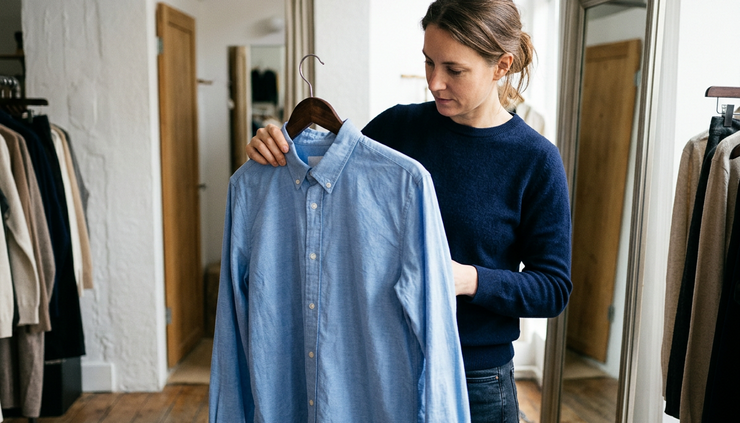

Eye-level view of a shopper examining a casual shirt in natural light.
A few simple checks can reveal more than the tag ever will.

Seams reveal how well a garment was built


Seams are the framework of clothing. They hold fabric pieces together, shape the garment, and absorb tension when you sit, walk, bend, reach, or wash the item. Good seam quality often means the maker cared about the parts you do not notice at first glance.


Start by turning the garment inside out. Many flaws hide there. A clean exterior can still have messy internal stitching, loose threads, or weak finishing that shortens the life of the piece.


Look for straight, even stitching


Good stitching usually looks consistent. The stitches are close enough to secure the fabric, but not so tight that they pucker it. The line should run smoothly along the seam without drifting, skipping, or wobbling.


A well-made button-down shirt, for example, will usually have neat stitching around the collar, cuffs, side seams, and hem. On jeans, check the inseam and the rise. These areas deal with repeated friction and stress, so sloppy stitching there matters.


Signs of stronger stitching include:


  • Even stitch length

    Stitches should look similar from one end of the seam to the other.


  • Straight seam lines

    A slight curve is normal where the garment is shaped, but the stitching should not wander randomly.


  • No skipped stitches

    Gaps in the stitch line can weaken the seam and lead to unraveling.


  • No loose thread nests

    Tangled thread on the inside can point to rushed construction or poor machine tension.


A quick test helps. Hold both sides of a seam and gently pull. Do not yank. If the stitches open wide or threads start to strain, that seam may not last. A strong seam has a little give, but it should not gap under light tension.


Spooky American Flag Ghost Long Sleeve Tee
From$0.00$19.99
Buy Now

Check how the seams are finished


Raw fabric edges can fray. Seam finishing prevents that. The finish does not have to be fancy, but it should suit the fabric and the garment.


Common seam finishes include:


Seam finish

What it looks like

Where you may see it

What to check

Serged edge

Looped thread wraps the raw edge

T-shirts, casual dresses, knitwear

Loops should be secure, not loose or broken

French seam

Raw edge is enclosed inside the seam

Lightweight shirts, silk pieces, fine blouses

Seam should feel smooth and not bulky

Flat-felled seam

Fabric is folded and stitched down flat

Jeans, work shirts, durable jackets

Stitching should be straight and secure

Bound seam

Edge is covered with a strip of fabric

Unlined jackets, special occasion pieces

Binding should lie flat without twists


A serged seam is common and can be perfectly fine. The question is whether it is clean and stable. If the edge is already fraying on the hanger, it will not improve after washing.


For transparent or delicate fabrics, inspect seam finishing closely. A sheer blouse with bulky, uneven seams may never hang well. A lightweight fabric needs a finish that looks tidy and feels smooth against the skin.


Pay attention to stress points


Some parts of clothing work harder than others. These areas need stronger construction.


Check these stress points:


  • Underarms

  • Crotch seams

  • Pocket corners

  • Waistband joins

  • Buttonholes

  • Zipper ends

  • Shoulder seams

  • Strap attachments

  • Belt loops


On jeans, look at the pocket corners and belt loops. Quality pairs often use extra stitching or reinforcement at these points. On a tote-style jacket or dress with straps, tug gently where the strap meets the body. If the stitching is sparse or loose, that point may fail first.


Buttonholes deserve special notice. They should be dense, neat, and free of fraying. A buttonhole that looks fuzzy before the first wear is a warning sign. Buttons should feel secure, not dangling by a few threads.


Compare matching seams


Symmetry can tell you a lot. Lay the garment flat or hold it up. Do the side seams hang straight? Do the sleeves look the same length? Is one shoulder seam sitting farther forward than the other?


Small variations happen, especially in handmade garments. But obvious mismatches can affect how the garment sits on the body. If a skirt twists while hanging, or pant legs rotate around the leg when worn, poor cutting or sewing may be the cause.


A useful rule in the fitting room is simple: if a seam looks strained before you move, it will feel worse during real wear.
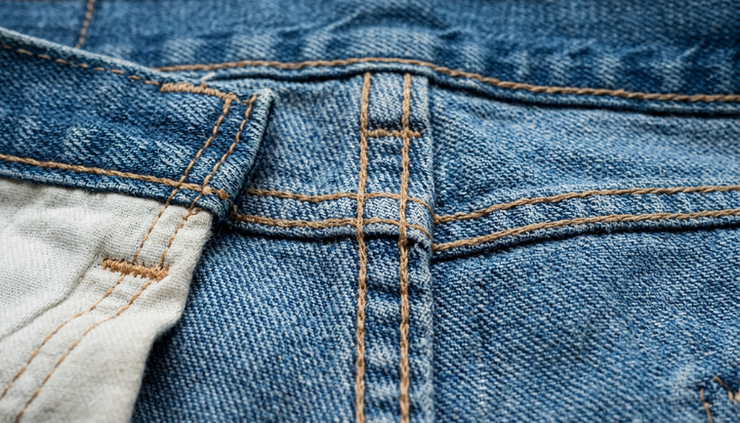
Close-up of clean stitching along the inside seam of denim jeans.
Strong seams are easier to judge when you look inside the garment.

Fabric tells you how the garment will feel and age


Fabric quality shapes almost everything about a garment: comfort, drape, warmth, breathability, durability, and care. Two shirts can have the same cut, color, and size, yet feel completely different because of the textile quality.


The label gives useful information, but your hands and eyes matter too. Fiber content, weight, weave, stretch, surface texture, and recovery all help you judge whether a piece is worth buying.


Read the fiber content, then touch the fabric


Start with the care label. It tells you what the garment is made from and how it should be washed. Natural fibers like cotton, linen, wool, and silk each behave differently. Manufactured fibers like polyester, nylon, rayon, modal, lyocell, and elastane also vary widely in quality.


No fiber is automatically good or bad. A cotton T-shirt can be thin and flimsy, while a polyester running top can be durable and comfortable. The key is whether the material suits the garment’s purpose.


For example:


  • A crisp cotton poplin works well for a button-down shirt because it holds shape.

  • A dense cotton twill works well for chinos because it resists abrasion better than a very light weave.

  • Merino wool can work well for sweaters and base layers because it offers warmth without heavy bulk.

  • A small amount of elastane can help jeans, trousers, and fitted dresses move more comfortably.

  • Linen softens over time and breathes well, but it wrinkles. That is part of its character.


After reading the label, feel the fabric. Does it feel smooth, dense, soft, crisp, springy, or limp? Good fabric usually has a sense of intention. It feels right for the item.


A winter coat should not feel like a thin shirt. A summer shirt should not feel stiff and airless. A knit sweater should have enough body to hang well, not stretch out under its own weight while still on the hanger.


Hold fabric up to the light


This is one of the easiest quality checks. Hold the garment up toward natural light or a fitting room light. You are looking for consistency.


If the fabric is meant to be sheer, evenness matters. If it is not meant to be sheer, thin patches may be a problem. Check whether the cloth looks uniform across the garment. Watch for slubs, streaks, snags, weak spots, and uneven dye.


Some fabrics have intentional texture. Linen often has natural slubs. Denim may have variation. Tweed is built on texture. The issue is not texture itself. The issue is random flaws that make one area look weaker or poorly finished.


For printed garments, look at the print placement. Florals, stripes, checks, and plaids do not always need to match perfectly at every seam, especially at lower price points. Still, major mismatches at the center front, pockets, or side seams can make a garment look cheaper.


Test stretch and recovery


Stretch can be useful, but it should recover. Gently pull a small section of fabric, then release it. Does it bounce back, or does it stay wavy and distorted?


This matters most for:


  • Leggings

  • Jeans with stretch

  • Ribbed tops

  • Knit dresses

  • Waistbands

  • Cuffs

  • Sweaters


A ribbed cuff that stretches out in the store may lose shape fast. A pair of stretch jeans that bags at the knees after a few bends may not age well. Good stretch fabric should move with you and return close to its original shape.


Try this in a fitting room with jeans or pants. Sit down, stand up, and check the knees, seat, and waistband. If the fabric already looks baggy after two minutes, imagine a full day of wear.


Watch for pilling risks


Pilling happens when fibers rub together and form small balls on the surface. Some fabrics pill more easily than others, especially soft knits with loose or shorter fibers. Pilling is not always a sign of terrible quality, but heavy pilling early in a garment’s life can make it look worn out fast.


Before buying a sweater, rub a small hidden area between your fingers. If loose fuzz appears right away, be cautious. Look under the arms and along the sides if the piece has been tried on often. These high-friction zones can show early wear even on a new rack.


For knitwear, inspect the density. Hold the sweater gently at the shoulders. Does it stretch downward heavily? Are the stitches open and loose? A very open knit may snag more easily and lose shape, especially if it is stored on a hanger instead of folded.


Think about care before you buy


A garment is only useful if you can care for it. A beautiful shirt that requires special cleaning after every wear may not fit your everyday life. A dry-clean-only label is not bad, but it changes the real cost and effort of ownership.


Ask these questions:


  • Will this fabric work with how often I do laundry?

  • Does it wrinkle in a way I can live with?

  • Will it need ironing, steaming, hand washing, or flat drying?

  • Is the color likely to fade with frequent washing?

  • Will pet hair, lint, or dust cling to it?


This is where fashion sustainability and smart shopping meet. Clothing durability is not only about how long a garment could last in theory. It is also about whether you will actually wear, wash, repair, and keep it.
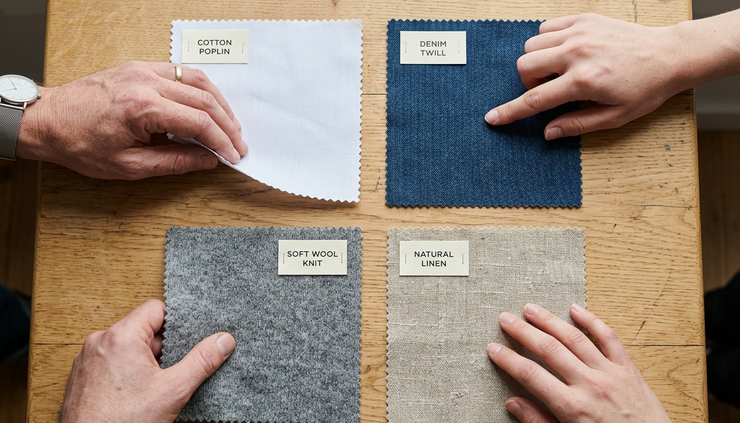

Overhead view of hands comparing swatches of cotton, denim, wool, and linen.
Different fibers and weaves behave differently, so texture matters.

Fit decides whether you will actually wear it


A garment can have excellent fabric and careful stitching, but if it does not fit your body or your life, it will sit unworn. Fit is both visual and physical. The best clothing fit guide is your own movement.


Fit does not mean tight. It does not mean oversized either. Good fit means the garment allows comfort, movement, and the look you want without constant adjusting.


Start with the shoulders, waist, and rise


Some fit issues are easy to tailor. Others are harder and may not be worth the trouble.


For tops, jackets, and dresses, shoulders matter. Shoulder seams should usually sit near the edge of your shoulder, unless the design is intentionally dropped or oversized. If the shoulder seam is too narrow, the garment may pull across the upper back. If it is too wide without design purpose, the piece may look sloppy and restrict arm movement in an odd way.


For pants and jeans, check the rise and seat. The rise is the distance from the crotch seam to the waistband. If it is too short, the pants may pull or dig in when sitting. If it is too long, fabric may bunch in the front or back. The seat should have enough room to move without sagging or straining.


For skirts and dresses, look at the waist, hips, and hem. A straight skirt that rides up when walking may be too tight at the hips. A dress that pulls across the bust or back may need a different cut, not just a different size.


Move like you will move in real life


Do not stand still and decide. A mirror pose tells very little. Use a basic fit assessment in the fitting room.


Try these movements:


  • Raise both arms.

  • Sit down.

  • Bend to tie a shoe.

  • Walk several steps.

  • Turn side to side.

  • Reach forward as if grabbing something from a shelf.

  • Cross your arms if trying on a jacket.

  • Put your hands in the pockets if the garment has them.


After each movement, notice what happens. Does the shirt ride up? Does the waistband roll? Do the sleeves pull? Does the dress twist? Do the pants pinch at the thigh or gap at the back waist?


Good fit should not require constant correction. If you need to tug a hem, pull down a top, adjust a strap, or smooth bunching fabric every few seconds, the garment may not earn a regular place in your wardrobe.


Look for strain lines and drag lines


Fabric tells the truth about fit. Pulling, wrinkling, and twisting often show where the garment conflicts with the body.


Common signs include:


  • Horizontal lines across the chest, hips, thighs, or back

    The garment may be too tight in that area.


  • Vertical folds near the waist or seat

    There may be too much length or volume.


  • Diagonal lines from the armhole to the bust or back

    The cut may not suit your proportions.


  • Puckering around buttons

    The front closure is under strain.


  • Twisting side seams

    The garment may be cut off grain or too tight in one area.


Some wrinkles are normal. Linen wrinkles. Loose garments fold. The concern is repeated strain that appears the moment you put the item on.


Button-front shirts offer a simple example. If the shirt fits at the waist but gaps at the chest, sizing up may make the body too loose. The better answer may be a different cut, a stretch fabric, or a style without front buttons.


Know what a tailor can and cannot fix easily


Tailoring can turn a good garment into a great one, but it cannot solve every issue.


Easier adjustments often include:


  • Shortening hems

  • Taking in a waist slightly

  • Shortening sleeves without complex cuffs

  • Replacing buttons

  • Fixing small seam openings


Harder or more expensive adjustments often include:


  • Changing shoulder width

  • Raising or lowering a rise

  • Reshaping armholes

  • Letting out seams with little extra fabric

  • Fixing twisted legs or poor grain alignment

  • Making a too-small garment truly comfortable


When shopping, ask whether the garment works well enough now. If it needs major changes before you would wear it, it may not be the right piece.


The Mountains are Calling Outdoor Adventure Hoodie
From$44.00
Buy Now

Choose fit for the way you dress


Quality fashion is not one silhouette. A relaxed linen shirt can be high quality. So can a sharp wool blazer, a dense cotton hoodie, or a simple pair of straight-leg jeans. The fit should match the garment’s purpose.


For everyday wardrobe essentials, comfort matters as much as appearance. A blazer for occasional events can feel more structured. A T-shirt for weekly wear should survive washing and let you move. Pants for commuting, errands, or travel need pockets, a stable waistband, and fabric that does not fight you.


This is one of the best buying tips for clothes: judge fit by repeat wear, not by a single flattering angle. If the item only feels good while standing still, keep looking.
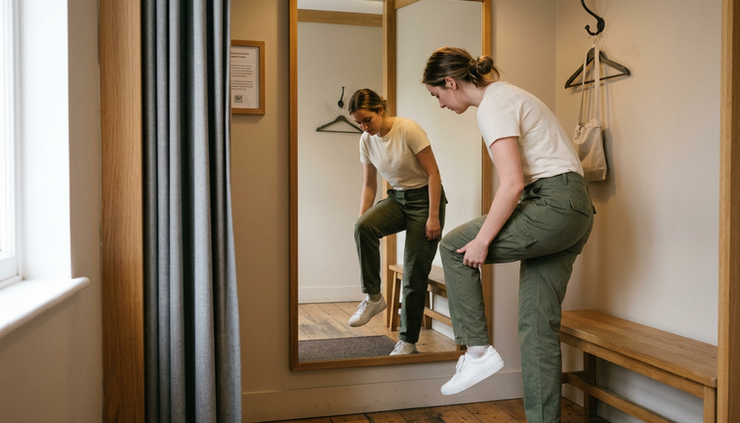

Full-body view of a person checking the fit of casual pants in a fitting room mirror.
Movement shows whether a garment fits real life, not just the hanger.

A simple quality check before you buy


When shopping for clothes, it helps to have a short routine. You do not need to inspect every garment like a factory auditor. Just slow down long enough to check the areas that predict comfort and wear.


Use this sequence when comparing similar pieces.


Step one is to scan the outside


Look at the garment from a normal distance first. Notice whether it hangs well. Check if the color looks even. Look for twisting, rippling, stains, snags, dents from hangers, or stretched-out areas.


If it looks tired on the rack, it may not revive at home.


Step two is to check the inside


Turn it inside out. Inspect the seams, loose threads, hem, pockets, lining, and labels. A lined jacket or coat should have lining that lies smoothly, with enough ease to let the outer fabric move. A lining that pulls or hangs below the hem is a concern.


For pants, check the crotch seam, pocket bags, zipper, and waistband. For dresses, look at waist seams, darts, zipper ends, and hem finishing. For knitwear, check underarms and side seams.


Step three is to test touch and movement


Feel the fabric. Stretch it gently if it has stretch. Scrunch a corner in your hand for a few seconds, then release it. Some fabrics wrinkle by nature, but the scrunch test can show whether a garment creases sharply and stays crushed.


Try it on when possible. Move in it. Sit in it. Check it under the lighting available, and if you can, near daylight.


Step four is to judge value, not just price


A high price does not guarantee good sewing standards. A low price does not always mean poor construction. Value comes from the mix of materials, workmanship, fit, usefulness, and care.


Ask:


  • Would I wear this at least several times in the next season?

  • Does it work with pieces I already own?

  • Does the fabric match the care I am willing to give it?

  • Are any flaws small enough to accept or fix?

  • Would I still like it if the trend passed?


Customer reviews for clothing can help when buying online, especially if reviewers mention fabric weight, shrinkage, transparency, pilling, or sizing. Photos from real buyers can reveal fit and drape that polished product images may hide. Still, reviews are only one tool. Once the item arrives, inspect it before removing tags.


Here is a quick guide you can save for your next shopping trip.


What to inspect

Good sign

Warning sign

Seams

Straight, secure, cleanly finished

Loose threads, gaps, puckering, fraying

Stress points

Reinforced pockets, buttons, straps, and belt loops

Thin stitching where tension is high

Fabric

Even texture, suitable weight, good recovery

Snags, weak spots, limp feel, heavy early fuzz

Print or pattern

Balanced placement in visible areas

Distracting mismatches at center seams

Fit

Moves with the body and feels comfortable

Pulling, twisting, gaping, constant adjusting

Care

Fits your laundry habits

Too fussy for how often you will wear it


Practical examples make the checks easier


Picture two plain black T-shirts. One has a ribbed neckband that lies flat, side seams that hang straight, smooth fabric with some density, and stitching that stays even around the hem. The other has a twisted side seam, a thin neckband that waves, and fabric that turns transparent when held to the light. They may look similar folded on a shelf. They will not wear the same.


Now compare two pairs of jeans. One has sturdy pocket corners, straight inseams, a zipper that lies flat, and stretch that recovers after sitting. The other has loose threads at the crotch seam, a waistband that gaps, and knees that bag within minutes. The second pair may still look fine in a quick mirror check, but daily wear will expose the issues.


For a sweater, check the shoulder seams, underarms, cuffs, and surface fuzz. A sweater that feels soft but sheds heavily, stretches out on the hanger, and already pills under the arms may age quickly. A slightly denser knit with clean seams and resilient cuffs may be the better buy, even if it looks simpler.


For a dress, zip it fully and move. Sit down. Check whether the lining rides up, the zipper ripples, or the waist seam pulls. If the outer fabric looks beautiful but the lining restricts your stride, you will notice every time you wear it.
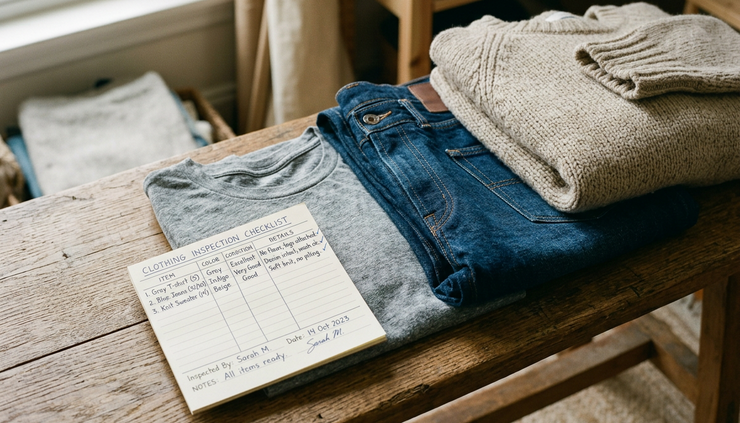

Angled view of a neatly arranged shopping checklist beside folded casual clothes.
A short checklist makes better buying decisions easier.

FAQ


How can I tell if clothing is good quality when shopping online?


Read the fabric content, care instructions, measurements, and reviews. Look for close-up photos of seams, hems, buttons, zippers, and fabric texture. When the item arrives, inspect it before wearing or washing it. Check seam finishing, fabric feel, fit, and any loose threads while the return window is still open.


Are natural fabrics always better than synthetic fabrics?


No. Natural fibers can be breathable, comfortable, and long lasting, but quality varies. Synthetic fibers can also perform well, especially in activewear, outerwear, and stretch garments. Judge the fabric by its purpose, feel, density, recovery, and care needs rather than fiber content alone.


What is the biggest red flag in seam construction?


Loose or broken stitching in stress areas is one of the clearest warning signs. Check underarms, crotch seams, pockets, waistbands, and buttonholes. If these areas look weak before purchase, they may fail with regular wear.


Should I buy something that fits almost perfectly?


Buy it if the issue is small, easy to tailor, and worth the added effort. A hem that needs shortening is often manageable. Poor shoulder fit, a too-tight rise, twisting seams, or major pulling across the body are harder to fix.


Does heavier fabric always mean better fabric?


Not always. Heavy fabric can be durable, but it can also feel stiff or uncomfortable if it does not suit the garment. Lightweight fabric can be excellent when it is tightly woven, evenly made, and right for the style. Match fabric weight to the garment’s purpose.


Better buying starts with slowing down. Before you buy, turn the garment inside out, check the seams, feel the fabric, and move in the fit. These small habits make it easier to spot quality apparel and avoid pieces that only look good for a moment.


The best clothes in a closet are not always the most expensive or the newest. They are the ones that feel good, hold up, and keep earning their space every time you reach for them.


A great everyday outfit should feel easy, but it should never feel forgotten.


Most casual looks fall flat for one simple reason: the pieces are comfortable, but they lack intention. A plain tee, jeans, sneakers, and a hoodie can either look thrown together or quietly stylish. The difference usually comes down to fit, color, texture, layers, and one standout detail.


That is where Whimsy Tee fits beautifully. A graphic tee with personality can turn a basic outfit into something that feels expressive, relaxed, and pulled together. Whether the goal is casual chic, weekend comfort, or a little more character in daily dressing, the right tee gives the outfit a focal point without trying too hard.


This style guide covers practical, wearable ideas for building better casual outfits with pieces already in the closet, plus a few smart additions that make getting dressed easier.


Eye-level view of a person styling a graphic tee with jeans and sneakers in a bright bedroom.
A graphic tee can turn a simple outfit into a complete look.

Start with a tee that gives the outfit a point of view


The fastest way to improve casual wear is to stop treating the T-shirt as an afterthought.


A good tee does more than cover the basics. It adds mood, color, humor, nostalgia, artwork, or attitude. That makes it one of the most useful wardrobe essentials for everyday style.


A graphic tee from Whimsy Tee works especially well because it brings personality to simple outfits. Instead of relying on loud trends or complicated styling, the tee becomes the anchor. From there, everything else can stay clean and comfortable.


Think of the tee as the outfit’s starting line.


If the print is colorful, pair it with neutral bottoms. If the design is minimal, add texture through denim, canvas, corduroy, or knitwear. If the tee has a playful or nostalgic feel, balance it with cleaner pieces so the outfit feels grown-up rather than costume-like.


A few easy combinations work almost every time:


  • Graphic tee with straight-leg jeans and low-profile sneakers

  • Printed tee with wide-leg trousers and a cropped jacket

  • Oversized tee with biker shorts and an open button-down shirt

  • Fitted tee with relaxed denim and a cardigan

  • Vintage-style tee with cargo pants and canvas shoes


The goal is not to look overstyled. The goal is to look considered.


Fit matters here. A tee that pulls at the shoulders, clings in the wrong places, or hangs too long can make the whole look feel off. A well-fitting T-shirt should sit comfortably across the shoulders, skim the body, and land at a length that works with the bottoms.


For most casual outfits, three fits are the most versatile.


Classic fit


This is the easiest option for daily wear. It works tucked, half-tucked, or loose. Pair it with jeans, chinos, joggers, or casual skirts.


Relaxed fit


This fit feels current without looking sloppy. It pairs well with straighter or slimmer bottoms, since the outfit needs some shape.


Oversized fit


This creates a street style feel. Balance it with structured outerwear, slim shorts, leggings, or wide pants with a defined waist.


A tee with a strong design can carry the look, but the surrounding pieces decide whether the outfit feels polished. That is one of the most reliable casual style tips because it works across seasons, ages, and personal taste.


Build better outfits with fit, proportion, and balance


Casual clothing often gets judged by comfort first. That makes sense. No one wants to spend the day adjusting stiff jeans, tight sleeves, or shoes that pinch.


Still, comfortable fashion looks best when there is shape. A full outfit made only of loose pieces can feel heavy. A full outfit made only of tight pieces can feel dated or uncomfortable. Balance gives casual attire its ease.


The simplest way to think about proportion is this:


If one part of the outfit is relaxed, give another part a little structure.

That could mean an oversized tee with straight jeans and a clean sneaker. It could mean baggy cargo pants with a fitted tee. It could mean a slouchy hoodie under a structured denim jacket.


Here are easy ways to balance common casual outfits.


If the outfit feels too loose

Try this instead

Oversized tee with baggy sweats

Add a cropped jacket or choose tapered joggers

Big hoodie with wide-leg jeans

Wear a fitted tee underneath and define the waist

Maxi skirt with long tee

Tie, tuck, or crop the tee slightly

Relaxed jeans with relaxed tee

Add a belt and a cleaner shoe


The tuck is one of the simplest style hacks for everyday outfits. It changes the line of the body and makes the outfit feel intentional.


Try these versions:


  • Full tuck

    Best with high-rise jeans, trousers, and skirts. It gives the cleanest shape.


  • Half tuck

    Best for relaxed outfits. It adds shape without looking too neat.


  • Side tuck

    Best with oversized tees. It creates movement and shows the waistline.


  • No tuck

    Best when the tee length is right. It should look purposeful, not like the outfit was skipped halfway through.


Sleeve styling also helps. Rolling a T-shirt sleeve once or twice can sharpen the arm line and make an old tee feel new. Pairing a graphic tee with a slightly structured jacket can make even denim and sneakers feel elevated.


Shoes affect proportion too. Chunky sneakers make wide pants feel grounded. Slim sneakers work well with straight jeans. Sandals can soften a graphic tee. Boots add edge.


None of these dressing tips require a huge closet. They rely on small adjustments that make familiar pieces look better.


Close-up view of a graphic tee half-tucked into high-rise jeans with a belt and casual sneakers.
Small styling choices can make basics feel more polished.

Use color and texture to make simple outfits interesting


A casual outfit can be basic without being boring. The difference often comes from color and texture.


A white tee and jeans can look plain. A cream graphic tee, faded denim, suede sneakers, and a canvas tote already feel more styled. The formula barely changes, but the outfit has more depth.


Start with color.


Graphic tees make color easier because the design often gives built-in direction. Pick one shade from the tee’s artwork and repeat it somewhere else in the outfit. It could show up in socks, a hat, sneakers, a jacket, or a bag.


For example:


  • A tee with blue artwork pairs well with light-wash denim or navy sneakers.

  • A tee with red details looks good with a red cap, burgundy socks, or a warm-toned jacket.

  • A tee with earth tones works with olive pants, tan canvas, brown sandals, or a cream cardigan.

  • A black-and-white tee pairs easily with gray denim, black cargos, or a patterned overshirt.


This creates harmony without matching everything exactly. Matching too much can feel stiff. Repeating one color feels natural.


Neutrals are still the backbone of an easy wardrobe. Black, white, gray, navy, cream, tan, olive, and denim shades make mix and match dressing easier. Once these are covered, brighter colors become easier to wear.


Texture is the next level.


Texture keeps simple style from looking flat. A cotton tee looks more interesting next to denim, fleece, leather, corduroy, canvas, linen, or knitwear. Even if the colors are quiet, the outfit gains dimension.


Try these texture pairings:


  • Soft graphic tee with rigid denim

  • Cotton tee with a chunky cardigan

  • Washed tee with a canvas jacket

  • Bright tee with faded jeans

  • Minimal tee with corduroy pants

  • Vintage-inspired tee with suede sneakers


Texture also helps seasonal dressing. In warmer months, pair tees with linen shorts, light denim, woven bags, and canvas sneakers. In cooler months, add flannels, quilted jackets, chunky socks, and knit hats.


This is where a lookbook mindset helps. Instead of thinking about single pieces, think in repeatable outfit combinations. Save the formulas that work, then swap the tee, pants, or shoes.


A few reliable outfit ideas:


The clean weekend outfit


Graphic tee, straight jeans, white sneakers, and a lightweight jacket.


The coffee run outfit


Oversized tee, leggings, crew socks, sneakers, and a zip hoodie.


The casual dinner outfit


Printed tee, dark denim, ankle boots, and a leather or denim jacket.


The warm-weather outfit


Graphic tee, linen shorts, slides or canvas sneakers, and sunglasses.


The fall layer outfit


Tee, flannel overshirt, relaxed jeans, and boots.


These combinations leave room for personal style while still giving structure. That is the sweet spot of elevated casual dressing.


Master layering without making the outfit feel bulky


Layering is one of the best ways to make casual outfits look complete. It adds presence while keeping the comfort.


The trick is to layer with intention. Too many thick pieces can feel heavy. Too many colors can feel busy. A great layered look usually has one base, one middle layer, and one outer layer.


A graphic tee works well as the base because it gives the outfit character right away.


Here are simple layering techniques that work with everyday pieces.


Start with a visible base layer


The tee should be seen. If the print gets fully hidden, the outfit loses its focal point.


Wear the jacket open, choose a cardigan with enough space, or layer with an unbuttoned shirt. This keeps the graphic visible and gives the look more personality.


Strong base layers include:


  • Graphic tee under a denim jacket

  • Printed tee under a flannel

  • Minimal tee under an open linen shirt

  • Vintage-style tee under a zip hoodie

  • Bold tee under a neutral cardigan


Keep the middle layer soft


The middle layer often decides how relaxed the outfit feels. A flannel, overshirt, hoodie, cardigan, or lightweight shacket can all work.


For a clean look, keep the middle layer neutral. For a more playful outfit, choose a pattern that shares a color with the tee.


A graphic tee with a plaid flannel works best when at least one color connects. If the tee has green in the design, a flannel with green or olive will feel tied together.


Use outerwear to sharpen the shape


Outerwear gives casual outfits structure. Denim jackets, bomber jackets, chore coats, utility jackets, quilted jackets, and casual blazers all add form.


A jacket can make a tee and joggers look more complete. It can also make jeans and sneakers feel more styled.


Good casual outerwear choices include:


  • Light-wash denim jacket for classic weekend outfits

  • Black denim jacket for sharper street style

  • Bomber jacket for sporty outfits

  • Chore coat for practical, relaxed looks

  • Quilted jacket for cozy fall and winter outfits

  • Utility jacket for an easy casual fashion trends feel


The jacket length matters. Cropped jackets define the waist. Hip-length jackets are easy and practical. Longer coats can look stylish, but they need cleaner pants and shoes to avoid looking messy.


Pay attention to the neckline


Necklines change the whole outfit. A crewneck tee under a crewneck sweatshirt can look crowded if the layers sit too close. A visible tee under an open button-down usually feels easier.


If layering under a hoodie, let the tee hem show slightly. If layering under a jacket, let the graphic sit high enough to be seen. If wearing a necklace, keep it simple so it does not fight the tee design.


Layering should make the outfit feel more like you, not less comfortable. If walking out the door feels easy, the outfit is probably working.


Wide-angle view of a person wearing a graphic tee under an open flannel and denim jacket on a neighborhood sidewalk.
Layers make casual outfits feel finished without losing comfort.

Add accessories that feel useful, not forced


Accessories can make casual outfits look elevated, but they should not feel like costume pieces. The best ones fit the day and add a small amount of polish.


Start with practical accessories.


A clean cap, canvas tote, crossbody bag, watch, sunglasses, simple necklace, ring, belt, or socks can finish a look without taking over. Accessories styling works best when pieces repeat the mood of the outfit.


A playful Whimsy Tee pairs well with relaxed accessories. Think canvas, denim, rubber, leather, woven textures, and simple metals. High-shine dressy pieces can work, but they need balance.


Here is an easy accessory formula:


  • One practical item

  • One detail item

  • One optional seasonal item


For example:


  • Crossbody bag, small hoop earrings, and sunglasses

  • Canvas tote, watch, and baseball cap

  • Belt, necklace, and beanie

  • Backpack, patterned socks, and sunglasses


Shoes count as accessories too. They may be the most important finishing piece in casual outfits.


A tee and jeans can shift in several directions based on footwear:


Shoe choice

Outfit effect

White sneakers

Clean and classic

Canvas sneakers

Relaxed and casual

Chunky sneakers

Sporty and current

Loafers

Smart casual

Ankle boots

Edgy and grounded

Slides or sandals

Easy warm-weather comfort


Belts deserve more attention. A belt can make a basic tee and jeans look intentional. It also helps separate the top and bottom, especially with tucked tees.


Socks can make a casual outfit feel current too. Crew socks with sneakers, patterned socks with cropped jeans, or tonal socks that match the tee can add personality in a small way.


Jewelry should support the tee rather than compete with it. If the shirt has a busy graphic, keep jewelry simple. If the tee is minimal, accessories can be stronger.


Good everyday jewelry choices include:


  • Thin chain necklace

  • Small hoops

  • Simple watch

  • Signet-style ring

  • Beaded bracelet

  • Minimal pendant


For bags, match the lifestyle of the outfit. A canvas tote feels right with a casual tee and jeans. A crossbody bag suits errands, walks, and weekend outfits. A mini backpack works with sporty casual looks.


Accessories should answer one question: does this make the outfit feel more complete? If yes, keep it. If it feels distracting, skip it.


Create reliable outfit formulas for different days


Getting dressed gets easier when there are a few trusted formulas ready. These are not strict uniforms. They are repeatable combinations that remove guesswork.


The best formulas support real life: errands, school drop-off, casual workdays, road trips, brunch, concerts, movie nights, walks, and lazy Sundays.


Here are several Whimsy Tee outfit formulas to keep in rotation.


The everyday classic


Graphic tee, straight-leg jeans, clean sneakers, and a denim jacket.


This outfit works because every piece feels familiar. The tee adds personality. The jeans keep it grounded. The jacket gives structure.


Choose light-wash denim for daytime. Choose black or dark-wash denim for a slightly sharper look.


The relaxed street style outfit


Oversized tee, cargo pants, chunky sneakers, and a crossbody bag.


This look has comfort and shape. The oversized tee brings ease, while the cargo pants add utility. Keep the colors simple if the tee has a bold design.


Try black cargos with a bright tee or olive cargos with a cream graphic tee.


The soft weekend outfit


Graphic tee, joggers, crew socks, sneakers, and a zip hoodie.


This is comfortable fashion at its best. The key is choosing joggers with a clean fit, not old sweats that have lost shape. A fresh graphic tee keeps the look intentional.


Choose matching or tonal socks to make the outfit feel more styled.


The casual chic outfit


Printed tee, wide-leg trousers, sneakers or loafers, and a cropped jacket.


This is a great example of elevated casual. The trousers add polish. The tee keeps the outfit relaxed. The jacket pulls the proportions together.


This formula works well for casual lunches, creative events, or days when jeans feel too predictable.


The warm-weather easy outfit


Graphic tee, relaxed shorts, canvas sneakers, and sunglasses.


Shorts can look polished when the fit is right. Aim for a clean shape and a comfortable length. Denim shorts, chino shorts, linen shorts, and relaxed pull-on shorts can all work.


A half tuck can help the outfit feel more finished.


The casual night-out outfit


Graphic tee, dark jeans, boots, and a jacket.


A tee can work at night when the rest of the outfit has a little edge. Choose darker denim, a sharper shoe, and structured outerwear.


A black denim jacket, leather-style jacket, or bomber works well here.


The creative mix and match outfit


Graphic tee, patterned skirt or pants, simple sneakers, and minimal jewelry.


This is for days when the outfit can be more playful. The key is color connection. Let one color in the tee repeat in the patterned bottom.


If the pattern is strong, keep the shoes simple.


A closet with good formulas becomes easier to use. That is also the heart of smart lifestyle fashion: clothes should support the day, not slow it down.


Shop with intention so casual style lasts


Better everyday style does not require buying a new closet. It comes from choosing pieces that work together.


Before buying another casual piece, ask three questions:


  • Can this be worn with at least three things already owned?

  • Does the fit support real daily movement?

  • Does it express a mood, color, or style that feels natural?


If the answer is yes, the piece is more likely to earn repeat wear.


Graphic tees are especially useful because they refresh staples. The same jeans, shorts, sneakers, and jackets can feel new when the tee changes. That makes a well-chosen tee one of the easiest ways to build more outfit ideas without overbuying.


Whimsy Tee is a smart place to start because the designs bring character to basic outfits. A playful tee can carry a weekend look, soften structured layers, or make casual attire feel more personal. It is an easy fashion upgrade that still feels comfortable.


A strong casual wardrobe usually includes:


  • A few graphic tees with different moods

  • Straight or relaxed jeans

  • One darker denim option

  • Comfortable sneakers

  • A casual jacket

  • A soft layer such as a hoodie, cardigan, or flannel

  • One pair of trousers or wide-leg pants

  • Simple accessories that work often


The goal is versatile clothing. Pieces should mix easily, wash well, and feel good throughout the day.


Trendy outfits can be fun, but personal style lasts longer. Use trends as seasoning, not the whole meal. If a trend works with the clothes already in rotation, try it. If it requires buying five new pieces to make sense, it may not fit real life.


Fashion inspiration is useful when it leads to better choices. Save photos of outfits that feel wearable, then look for patterns. Maybe the saved looks all include relaxed denim, bold tees, neutral jackets, or colorful sneakers. Those patterns reveal what to shop for and what to skip.


Fashion blogging often focuses on big seasonal shifts, but most people need repeatable daily answers. What works with jeans? What tee looks good under a jacket? What shoes make this outfit feel current? What can be worn all weekend?


Those are the questions that build a wardrobe with staying power.


Overhead view of a casual outfit laid out with a graphic tee, jeans, sneakers, tote bag, and sunglasses.
A good outfit formula makes casual dressing easier.

FAQ


How can I make a casual outfit look more stylish?


Start with fit, then add one focal point. A graphic tee, clean sneakers, a jacket, or a strong accessory can make basics look intentional. Tucking the tee, rolling the sleeves, or adding a belt can also help.


Are graphic tees still in style?


Yes. Graphic tees stay relevant because they are personal, comfortable, and easy to style. The key is pairing them with balanced pieces, such as straight jeans, trousers, jackets, or clean sneakers.


What should I wear with a Whimsy Tee?


A Whimsy Tee works well with jeans, cargos, shorts, skirts, joggers, or wide-leg trousers. For an easy outfit, pair it with straight jeans, white sneakers, and an open denim jacket.


How do I dress casual without looking sloppy?


Choose comfortable pieces with clean shape. Avoid wearing every item oversized at once. Add structure with a jacket, belt, fitted base layer, or polished shoe.


Can casual outfits work for dinner or going out?


Yes. Choose a graphic tee, dark jeans, boots or clean sneakers, and a structured jacket. Keep accessories simple and make sure the tee fits well.


Make everyday outfits feel more like you


Elevating casual style is less about dressing up and more about dressing with intention. A better tee, a cleaner fit, a smart layer, and one useful accessory can change the whole mood of an outfit.


Start with the piece closest to your personality. For many everyday looks, that piece is the graphic tee. It sets the tone, adds color, and makes basics feel less basic.


For playful, expressive tees that can anchor countless casual outfits, explore Whimsy Tee. Pick a design that feels like you, then build around it with the jeans, jackets, sneakers, and accessories already in your closet.


The best everyday outfit is comfortable enough to live in and styled enough to feel good wearing it.


Updated: Jun 20, 2025

Learn how to style casual wear for any event. Find simple tips to make your outfit look sharp and comfortable. Start dressing better today.


Styling casual wear for every occasion involves balancing comfort with appropriateness by incorporating versatile pieces and thoughtful accessories. For a laid-back day, opt for classic jeans paired with a simple t-shirt or blouse, adding sneakers or flats for comfort. To elevate your look for casual work environments, layer with a blazer or cardigan and choose tailored jeans or chinos, complemented by loafers or ankle boots. For social outings or date nights, enhance your outfit with statement jewelry, a stylish handbag, or a trendy scarf, while swapping sneakers for stylish sneakers or low heels. When attending outdoor events or weekend adventures, prioritize practicality with athleisure wear, breathable fabrics, and comfortable sneakers or sandals. Remember, accessories like hats, watches, and sunglasses can effortlessly transition your casual look from day to night, making your style adaptable and appropriate for any occasion.


Casual wear is all about comfort and expression. It allows you to showcase your personality while staying relaxed. However, styling casual clothing for various occasions can be tricky. Whether it’s a brunch with friends, a day at the park, or a date night, knowing how to style casual wear can elevate your look while keeping you comfortable. In this post, we will explore practical tips to style casual wear for every situation.


Understanding Casual Wear


Casual wear includes clothing items that prioritize comfort and informal style. You might typically find jeans, t-shirts, sundresses, sneakers, and loafers in this category. The key to adapting casual wear for different events lies in understanding fabric choices, colors, layering, and accessories.


Casual wear does not equate to a lack of style. Instead, it’s about balancing comfort and aesthetics to create a polished yet relaxed look. For instance, 62% of people surveyed in a recent fashion report stated they feel more confident in well-styled casual outfits.


Casual Wear for Day Outings


For day outings, like brunches or park visits, your comfort should take center stage. Here are some styling tips:


  • Light Layers: Choose light layers, like a denim jacket over a simple t-shirt or a cardigan over a sundress. This combination keeps you comfortable while adding a stylish touch.


  • Comfortable Footwear: Wear sneakers or flat sandals that allow you to walk easily. A pair of classic canvas shoes can make you feel at ease while still looking fashionable.


  • Accessorize Smartly: Add a stylish crossbody bag to keep your hands free. Don't forget sunglasses and a wide-brimmed hat to not only enhance your look but also protect you from the sun.


Consider this: a well-styled outfit can help make a strong impression. In a study, 75% of individuals said they felt they were treated differently when dressed nicely, even in casual settings.


Casual Wear for Evening Events


Styling casual wear for evening events requires a bit more thought to achieve a chic and effortless look. Here are some suggestions:


  • Switch Up Fabrics: Add luxurious fabrics like silk or velvet. A simple t-shirt remains casual but looks elegant when tucked into tailored wide-leg pants made from a sophisticated fabric.


  • Statement Pieces: Use eye-catching accessories like bold earrings or layered necklaces. For example, a pair of striking hoop earrings can transform a basic outfit into a fashion statement.


  • Elevate Footwear: Replace casual sneakers with ankle boots or stylish loafers. This simple switch can change the vibe of even the simplest outfit, making it suitable for evenings.


In fact, a recent fashion survey found that 55% of respondents believe that footwear is the most critical aspect of making a casual outfit evening-appropriate.


Casual Wear for Relaxed Gatherings


When you attend relaxed gatherings, like a picnic or a lounge with friends, you can blend comfort with a carefree style:


  • Choose Comfortable Fabrics: Select breathable materials like cotton or linen that are both stylish and practical for outdoor settings.


  • Monochromatic Looks: Create an effortlessly chic appearance with monochrome outfits. For instance, pairing a white linen shirt with light beige shorts creates a stylish and uniform look.


  • Effortless Hair and Makeup: Keep your hair flowing naturally or style it in a simple bun. Minimal makeup can enhance your features while retaining a laid-back feel, making you feel at ease.


Casual Wear for Family Get-Togethers


Family events can range from casual picnics to more structured gatherings. Here’s how to perfect your casual wear:


  • Layer Wisely: Depending on the weather, smart layering can enhance your look. Consider adding a casual blazer over a t-shirt for an assembled appearance without losing comfort.


  • Flexible Bottoms: Opt for chinos or versatile leggings. These choices can be dressed up or down, depending on your top's style.


  • Personal Touches: Infuse your personal style into your outfit. Wear family-friendly graphics or colors you love, ensuring you feel comfortable and confident.


A survey revealed that 80% of people feel more relaxed and enjoy their family gatherings more when dressed comfortably yet stylishly.


Casual Wear for Seasonal Occasions


The weather significantly affects how you style casual wear. Here are suggestions based on the seasons:


  • Spring/Summer: Light, breezy fabrics are your go-to. Embrace floral designs, bright colors, and light layering with cardigans or vests. Approximately 70% of women prefer outfits layered for versatility during changing weather.


  • Fall/Winter: Utilize warmer materials like wool or thick knits. Pair long-sleeved tops with scarves and stylish boots to stay warm while looking good. Layering with jackets not only keeps you cozy but also adds depth to your outfit.


  • Seasonal Accessories: Use seasonal accessories like beanies in winter or straw hats in summer to match the vibe while adding a unique touch to your casual looks.


Eye-level view of a stylish casual outfit hanging on a rack
A selection of casually styled outfits on a clothing rack, showcasing versatility.

Final Thoughts


Dressing in casual wear does not mean sacrificing style for comfort. By choosing the right fabrics, colors, and accessories, you can create effortless looks appropriate for any occasion. Remember to play with layers and textures, which can significantly enhance your overall appearance. Embrace casual wear as a canvas for self-expression, ensuring each occasion feels special while staying true to your style.


Following these tips will help you master casual styling and look great, no matter the situation. Happy styling!


bottom of page