
top of page

JOURNAL

Make your style unforgettable by embracing bold statement pieces. Choose vibrant colors, striking patterns, or unique accessories that capture attention. Mix and match textures for an eye-catching contrast. Confidence is key—wear what makes you feel powerful. Elevate your look with standout shoes or a statement bag. Remember, fashion is an expression of individuality, so let your personality shine through! A bold outfit changes the way a room feels when you walk in. It does not need to be loud from head to toe, and it does not have to follow every trend. The strongest statement looks usually come from clear choices: a striking color, an unusual pattern, a sculptural bag, a dramatic shoe, or one detail that feels deeply personal.


Style stands out when it looks intentional. That intention can be polished, playful, artistic, edgy, romantic, sporty, or all of those at once. The goal is not to dress like someone else. The goal is to build a wardrobe that gives your personality room to show up before you say a word.


Bold fashion works best when it feels connected to real life. A cobalt coat over jeans. A printed skirt with a white tank. Red boots with a black dress. A stack of rings that turns a simple outfit into something memorable. Statement dressing is less about “too much” and more about knowing what you want your clothes to say.
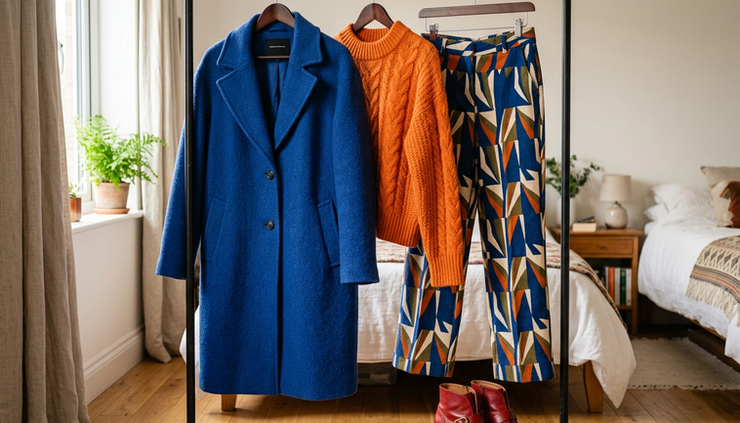

Eye-level view of a colorful outfit displayed on a clothing rack.
A bold look starts with one clear visual idea.

Start with color that matches your energy


Color is usually the fastest way to create a statement look. It catches the eye before cut, texture, or accessories. The right shade can make a simple outfit feel confident, creative, and fresh.


That does not mean every outfit needs five bright colors. Some of the boldest looks come from one strong color used with purpose. A red suit. A lime sweater with dark denim. A pink dress with silver flats. A mustard coat over a cream outfit. Each one sends a clear signal.


Choose a color anchor


A color anchor is the main shade your outfit is built around. It gives the look direction, even when the rest of the pieces are simple.


Strong color anchors include:


  • Cobalt blue

  • Cherry red

  • Emerald green

  • Tangerine

  • Hot pink

  • Sunshine yellow

  • Deep purple

  • Acid green

  • Metallic silver or gold


Once you choose the anchor, let the rest of the outfit support it. If the anchor is a bright blazer, pair it with jeans, a fitted tee, and clean shoes. If the anchor is a neon skirt, try a black sweater and simple earrings. The bold piece gets to lead.


Try color blocking without overthinking it


Color blocking means wearing solid colors next to each other in a clear, graphic way. It can feel bold without relying on prints or complex styling.


A few reliable combinations:


Red and pink

Blue and green

Orange and purple

Yellow and gray

Black and white with one bright color

Warm, expressive, and romantic

Cool, modern, and easy to wear

Artistic and high-impact

Bright but grounded

Sharp and beginner-friendly


If full color blocking feels new, start with accessories. Try a green bag with a blue cardigan, or red shoes with a pink top. Smaller pieces let you test combinations before wearing a full color story.


Use neutrals as a frame


Neutrals are not boring. They create contrast and help bold colors look more deliberate. Black, white, denim, tan, gray, navy, and cream can make bright shades easier to wear.


A bright orange sweater with tan trousers feels warm and relaxed. A purple satin skirt with a white button-front shirt feels crisp. A green mesh top under a black jacket feels edgy without becoming costume-like.


Think of neutrals as the frame around a painting. They do not hide the color. They help it stand out.


Let patterns give your outfit a point of view


Patterns add movement, personality, and surprise. They can make everyday pieces feel original, especially when used in shapes you already like.


If color is the first thing people notice, pattern is often what makes them look twice.


Pick patterns that feel like you


A pattern should match your mood, not just a trend. Someone who loves clean lines might feel best in stripes, checks, or graphic shapes. Someone drawn to romance might prefer florals, swirls, or painterly prints. Someone with an edgy personal style might lean toward animal print, abstract graphics, tartan, or high-contrast motifs.


Common statement patterns include:


  • Wide stripes

  • Checkerboard

  • Leopard or zebra print

  • Oversized florals

  • Plaid

  • Polka dots

  • Abstract shapes

  • Graphic black-and-white prints

  • Patchwork

  • Tie-dye or watercolor effects


The same pattern can feel different depending on the item. Leopard print ballet flats read playful. A leopard print coat reads dramatic. A striped tee feels classic. Striped trousers feel more daring.


Mix patterns with one shared detail


Pattern mixing can look effortless when the prints share something in common. That shared detail might be color, scale, mood, or shape.


Try these pairings:


  • A black-and-white striped top with a black-and-white floral skirt

  • A navy plaid blazer with a blue striped shirt

  • A small polka dot blouse with a large floral scarf

  • A zebra print shoe with a black-and-white checker bag

  • A red tartan skirt with a red graphic tee


The easiest rule is to keep one pattern smaller and one pattern larger. A small stripe can act almost like a neutral, while a large floral or animal print becomes the focus.


Balance busy prints with clean silhouettes


A dramatic print feels more wearable when the shape is simple. A printed slip skirt, straight-leg trouser, boxy jacket, or classic button-front shirt lets the pattern shine.


If the print is very bold, avoid adding too many extra design details. Ruffles, cutouts, fringe, pleats, and embellishment can all work, but they compete for attention. Choose one or two strong elements and let them breathe.


A patterned blazer over a plain tank and trousers can look just as bold as a fully printed outfit. The key is confidence, not quantity.


Use accessories as your signature


Accessories are powerful because they can change the entire mood of an outfit. A white tank and jeans can look minimal with simple sandals, western with a tooled belt, glam with rhinestone earrings, or artsy with a sculptural necklace and bright bag.


This is where statement pieces earn their place. They help you make a fashion statement without replacing your whole wardrobe.


Close-up of colorful rings and bold sunglasses on a patterned scarf.
Accessories can turn simple clothes into a signature look.

Choose one accessory to lead


A bold accessory works best when it has a role. It can add color, texture, shine, shape, or attitude.


Strong options include:


  • Oversized earrings

  • Chunky rings

  • Sculptural cuffs

  • Bright handbags

  • Patterned scarves

  • Wide belts

  • Statement sunglasses

  • Metallic boots

  • Colorful sneakers

  • Hair clips, bows, or wraps

  • Unusual hats


If the outfit already has a lot going on, choose one accessory to lead. A printed dress may only need red earrings. A simple black jumpsuit can handle a silver belt, stacked bracelets, and dramatic shoes.


If the outfit is very plain, accessories can carry the whole look. A white tee, wide-leg jeans, green heels, and large gold hoops can feel intentional and bold.


Use shoes to shift the attitude


Shoes can make an outfit feel softer, sharper, more casual, or more dramatic. The same dress changes completely with sneakers, platform sandals, cowboy boots, combat boots, or pointed flats.


For a standout style, shoes are often the easiest place to experiment because they do not sit right next to the face. That makes bold choices feel less intimidating.


Try these outfit shifts:


Slip dress and chunky boots

Wide-leg jeans and metallic flats

Black trousers and red heels

Midi skirt and colorful sneakers

Simple dress and patterned boots

Romantic with edge

Casual with shine

Classic with drama

Playful and relaxed

Minimal with personality


When in doubt, let your shoes repeat one color from the outfit. A blue print dress with blue heels feels pulled together, even if the shoes are bright.


Build a small accessory wardrobe


A strong accessory wardrobe does not need to be huge. It needs range.


Start with a mix of pieces that serve different moods:


  • One bright bag

  • One metallic shoe

  • One pair of oversized earrings

  • One patterned scarf

  • One belt with presence

  • One pair of statement sunglasses

  • One playful everyday shoe


These pieces can refresh basics and help older clothes feel new. They also give you more ways to express yourself without buying an entire outfit every time your style shifts.


Mix different styles with confidence


The most interesting outfits often come from contrast. A sporty jacket with a silky skirt. A structured blazer with distressed denim. A romantic blouse with leather pants. A vintage cardigan with futuristic sunglasses.


Mixing styles keeps a bold look from feeling flat. It also helps your wardrobe feel more personal because you are not dressing inside one narrow category.


Pair opposites on purpose


Opposites create tension, and tension makes an outfit memorable. The trick is to make the contrast look chosen.


Try these combinations:


  • Feminine and tough Lace blouse, straight-leg jeans, moto boots


  • Sporty and polished Track jacket, tailored trousers, clean sneakers


  • Vintage and modern Retro printed blouse, sleek black skirt, silver jewelry


  • Minimal and dramatic Plain column dress, oversized colored coat


  • Casual and glamorous Graphic tee, satin skirt, chandelier earrings


The look works when each element has space. If every piece fights for attention, edit one thing out. If the outfit feels too safe, add one stronger piece.


Repeat a color, texture, or shape


Repetition makes mixed styles feel connected. This is especially useful when pairing pieces that seem unrelated.


A sporty red jacket and red lipstick create a link. Suede loafers and a suede bag make a mixed outfit feel grounded. Round sunglasses and a round bag echo each other in a subtle way. Silver hardware on boots, jewelry, and a belt can tie together an edgy outfit.


These small connections help the eye understand the outfit. They also make experimentation feel less random.


Use proportions to create impact


Bold style is not only about color and accessories. Shape matters. Oversized, cropped, fitted, long, wide, and structured pieces all change the energy of a look.


A few proportion ideas to try:


  • Oversized blazer with a fitted tank and slim skirt

  • Cropped jacket with high-rise wide-leg pants

  • Long coat with a mini dress and tall boots

  • Voluminous skirt with a simple sleeveless top

  • Baggy jeans with a sharp pointed shoe

  • Boxy sweater with a satin slip skirt


When the proportions feel intentional, even simple colors can make a strong impression. A huge cream sweater over a silver skirt can be just as bold as a rainbow outfit.


Keep comfort in the picture


A statement look should let you move, sit, walk, and live. If a piece constantly needs adjusting, it will steal your confidence. Choose shapes that feel good on your body and match your actual day.


Comfort does not mean plain. It means the outfit supports you. Soft trousers in a bold print, a bright cardigan, platform sneakers, a dramatic coat, or stretchy metallic pants can all feel expressive and wearable.


A look stands out more when the person wearing it looks at ease.


Choose pieces that reflect your personality


Statement dressing becomes powerful when it feels personal. That is the difference between wearing a trend and creating a unique style.


Before buying or styling a bold piece, ask what it says about you. Does it feel playful? Mysterious? Elegant? Rebellious? Warm? Artistic? Calm but strong? The right piece should feel like an extension of something already inside you.


Name your style words


Pick three to five words that describe how you want your outfits to feel. They do not need to fit into fashion categories. They can be moods, places, textures, or attitudes.


Examples:


  • Playful

  • Sleek

  • Romantic

  • Electric

  • Soft

  • Sharp

  • Nostalgic

  • Moody

  • Colorful

  • Sculptural

  • Relaxed

  • Dramatic

  • Earthy

  • Futuristic

  • Artsy


Once you have your words, use them while shopping or getting dressed. If your words are “playful, sharp, and colorful,” a striped knit dress with angular earrings might make sense. If your words are “moody, romantic, and vintage,” a dark floral skirt, lace top, and velvet shoes may feel right.


This gives your clothing choices a filter. It also helps you avoid buying pieces that look exciting but do not feel like you.


Look for emotional pull


A bold piece should make you feel something. Maybe it reminds you of music you love, a city you visited, an artist you admire, or an era that fascinates you. That emotional pull is part of personal style.


Personal style grows through choices that mean something. A turquoise ring from a local market. A jacket you painted by hand. A scarf in your favorite color. A thrifted coat with a strange shape. These details create fashion individuality because no one else will combine them the same way.


Trends can still inspire you. Fashion trends are useful when they give fresh styling ideas. The key is to adapt them to your taste instead of copying the entire look. If oversized belts are trending, choose one in a color, texture, or buckle shape that fits your story. If metallics are everywhere, wear silver boots with your favorite old jeans instead of building a head-to-toe outfit that does not feel natural.


Edit your wardrobe with honesty


A standout wardrobe is not always bigger. Often, it is clearer.


Look through your closet and notice what you actually wear when you want to feel most like yourself. Which colors do you reach for? Which textures make you feel confident? Which silhouettes feel natural? Which compliments matter to you because they match how you see yourself?


Then notice what sits unworn. Some pieces may be too far from your real life. Some may belong to an older version of your style. Some may need a new pairing to feel right.


Ask these questions:


  • Does this piece reflect who I am now?

  • Can I style it at least three ways?

  • Does it make me feel more confident when I wear it?

  • Is it bold in a way I enjoy, or bold in a way that feels forced?

  • What would make this piece easier to wear?


Sometimes the answer is simple. A bright dress needs flat sandals instead of heels. A patterned shirt needs relaxed jeans. A dramatic blazer needs a plain base layer. Styling can rescue pieces that once felt too loud.


Give yourself permission to evolve


Your style does not need to stay fixed. It will change with your taste, lifestyle, body, confidence, and interests. A person who loved all-black outfits for years might suddenly want orange. Someone who dressed softly may crave sharper lines. Someone who wore simple basics may start collecting bold accessories.


That shift is not inconsistency. It is style evolution.


Experiment in small ways if that feels better. Wear the unusual earrings to dinner. Try the bright socks under cropped jeans. Add the patterned shirt under a sweater. Carry the playful bag with an otherwise simple outfit. Each small choice builds confidence.


The more you practice, the easier it becomes to know the difference between discomfort from growth and discomfort from something that truly does not fit you.


Build bold outfits from pieces you already own


A statement look does not require a full shopping trip. Many wardrobes already contain the raw material for creative fashion. The difference comes from styling.


Start with the basics you reach for often, then add one element that changes the whole mood.


A few easy formulas:


  • White tee, denim, bright blazer, bold earrings

  • Black dress, patterned tights, colorful shoes

  • Neutral sweater, printed skirt, sculptural rings

  • Jeans, striped shirt, metallic bag

  • Slip skirt, graphic sweatshirt, platform sneakers

  • Simple jumpsuit, wide belt, oversized sunglasses

  • Monochrome outfit, contrasting coat


These formulas work because they mix the familiar with the unexpected. The base keeps the look grounded. The statement detail creates impact.


Try the one, two, three method


If bold styling feels hard, use this simple method.


One base piece

Choose something comfortable, such as jeans, a black dress, trousers, or a favorite skirt.


Two personality pieces

Add color, pattern, texture, or shine. This might be a bright cardigan and patterned shoes, or a printed blouse and large earrings.


Three finishing details

Adjust the outfit with smaller choices. Roll a sleeve, tuck a shirt, add a belt, choose socks, or switch the bag.


This method keeps the look from feeling accidental. It also gives you space to play.


Take photos for yourself


The mirror gives one view. A quick photo gives another. Use photos as a private styling tool, not as a performance. They help you see proportions, color balance, and whether an outfit reflects the mood you wanted.


Create a small folder of outfits that felt good. Over time, patterns will show up. Maybe you love bold color near your face. Maybe you prefer neutral clothes with wild shoes. Maybe you like oversized shapes more than tight ones. That information becomes style inspiration you created yourself.


Repeat what works without apology


Some people avoid repeating outfits because they think bold style means constant novelty. Repetition can become a signature.


If red shoes always make your outfits feel better, wear them often. If big earrings make you feel polished, make them part of your daily look. If printed pants are your thing, collect different versions. A signature detail is memorable because it repeats.


That repetition helps people recognize your style, but more importantly, it helps you feel at home in your clothes.


FAQ


How do I start dressing boldly if I usually wear neutrals?


Start with one colorful or patterned piece and keep the rest simple. Try a bright bag, printed shoe, bold earring, or colorful jacket over your usual outfit. Small shifts make the change feel natural.


Can statement pieces work for everyday outfits?


Yes. Pair one statement piece with practical basics. A patterned coat, red sneakers, sculptural earrings, or a bright sweater can fit into everyday life when the shape is comfortable and the rest of the outfit feels easy.


How many bold items should I wear at once?


One strong item is enough, especially when you are starting out. As you get more confident, try two or three pieces that share a color, texture, or mood.


What if a trend does not fit my personality?


Skip it or adapt it. A trend should support your personal style, not replace it. Choose the part that works for you, such as a color, silhouette, fabric, or accessory.


How can I make a bold outfit look intentional?


Repeat one detail, such as a color, metal, shape, or texture. Then edit anything that feels distracting. Strong outfits usually have a clear focal point.


Wear the outfit that feels like yours


A bold statement look begins with attention. Notice what colors lift your mood. Notice which patterns feel exciting. Notice the accessories you reach for when you want to feel more like yourself. Those clues matter.


You do not need permission to wear the red coat, the checkerboard pants, the oversized earrings, or the silver boots. You also do not need to become a different person to make a statement. The best outfits reveal more of who you already are.


Open your closet with curiosity. Pair pieces you have never paired before. Let one color lead. Let one accessory change the mood. Let one pattern surprise you. Style becomes more powerful when it feels personal, and the most memorable look is the one you wear with confidence.


Learn What Makes a Streetwear Brand Stand Out in 2026? From bold identity to authentic stories, see what drives loyalty and growth. The brands winning attention in 2026 are not the loudest ones. They are the ones with a clear point of view, a real community, and clothes that feel relevant the moment someone puts them on.


Fashion fans have more choices than ever. A hoodie is no longer just a hoodie. It can signal taste, values, music references, local pride, sustainability, subculture, scarcity, or all of the above. At the same time, buyers are quicker to spot lazy drops, recycled graphics, poor quality, and fake community talk.


That makes the bar higher for every emerging label and established name. The most memorable brands now combine design originality, responsible production, cultural fluency, technology, and storytelling that feels earned. They understand that streetwear has grown from niche scenes into a global fashion force, but they also know its roots still matter.


The question is not only how to create hype. Hype can sell one drop. A strong brand can build years of loyalty.


Wide-angle view of a city sidewalk with young people wearing expressive layered outfits and sneakers
Standout style starts where real people wear it.

Strong design starts with a point of view


A standout brand begins with design that people can recognize without needing to read the label. That does not mean every piece must be loud. It means the collection needs a visual language.


Some brands build that language through shape. Oversized proportions, cropped outerwear, stacked pants, boxy tees, modular layers, and technical pockets can all create a signature silhouette. Others lean into graphics, fabric treatment, stitching, dye methods, or unexpected color pairings.


The key is consistency without repetition. A brand can release new pieces each season while still feeling like itself.


Originality matters more than noise


In 2026, shoppers have seen thousands of skull prints, varsity fonts, flame graphics, and oversized logos. Those elements can still work, but only when a brand gives them a fresh reason to exist.


Original design often comes from a clear source of inspiration. That might be:


  • A local music scene

  • Neighborhood architecture

  • Workwear uniforms

  • Skate videos

  • Family photo albums

  • Club flyers

  • Hand-drawn art

  • Sports rituals

  • Vintage military details

  • Diaspora culture


The difference shows in the details. A weak design copies a surface trend. A strong design translates a real reference into something new.


For example, a brand inspired by public basketball courts might not simply print a ball on a shirt. It could use mesh paneling, sun-faded colors, cracked asphalt textures, hand-painted court lines, or warm-up pant shapes. That approach turns a familiar idea into wearable design.


Fit has become part of the identity


The most successful labels treat fit as seriously as graphics. A tee that hangs perfectly, a hoodie with the right hood shape, and pants that stack well over sneakers can become repeat-buy reasons.


Fit also connects to comfort. People still want fashionable outfits, but daily wear matters. The best pieces look styled without feeling stiff. This is why comfortable clothing, fleece sets, relaxed denim, nylon pants, and stylish hoodies remain central to the category.


The brands that stand out know the balance. They make pieces that photograph well, but they also work on a long walk, at a show, at a studio session, or on a weekend trip.


Graphics need meaning


Graphic tees are still one of the strongest entry points into a brand. They are easy to style, accessible compared with outerwear, and perfect for visual storytelling. Yet the average buyer is more selective now.


Cool graphics are not enough if the message feels empty. The stronger route is to create artwork that connects with a mood, memory, or scene. In this sense, the best graphic pieces work like wearable art. They give people something to talk about.


That does not mean every shirt needs a heavy concept. Humor, irony, and bold designs still have a place. The point is that the graphic should feel specific to the brand, rather than pasted onto a blank for quick sales.


Sustainability has moved from selling point to baseline


A few years ago, sustainability could help a brand stand apart. In 2026, it is closer to an expectation, especially for shoppers who care about quality and long-term value.


People are asking sharper questions:


  • What materials does the brand use?

  • Where are the garments made?

  • How long will the product last?

  • Is the drop model creating waste?

  • Can the piece be repaired, resold, or recycled?

  • Are sustainability claims clear and specific?


A brand does not need to be perfect. Few are. But it does need to be honest and practical.


Better materials create better trust


Sustainable fashion is not only about organic cotton or recycled polyester. It also includes durability. A well-made hoodie that lasts for years can be more responsible than a cheap piece that loses shape after a few washes.


Brands can build trust by explaining material choices in plain language. Heavyweight cotton, garment dyeing, recycled nylon, deadstock fabrics, natural dyes, and low-impact washes all mean more when the label tells customers why those choices matter.


Clear care instructions help too. If a brand wants its clothes to last, it should teach people how to wash and store them. That small detail signals respect for the product and the buyer.


Smaller drops can reduce waste


Limited edition releases are still a core part of the market, but scarcity works best when it has a reason. A small run made from deadstock fabric feels different from an artificial shortage created only to spark panic buying.


Smarter brands use limited runs to test demand, avoid overproduction, and protect design quality. They may also restock core products in measured ways, instead of forcing every piece into a one-time hype cycle.


This balance matters. Constant scarcity can exhaust a community. Constant overproduction can weaken desire and create waste. Standout labels know when to hold back and when to keep essentials available.


Resale and repair are part of the product life


Vintage streetwear has taught the market an important lesson. Pieces with identity can gain value over time. A faded hoodie, a rare tee, or an old jacket can become more meaningful after years of wear.


Forward-thinking brands design with this in mind. They make garments that can age well, not just look good on launch day. Some encourage resale, offer repairs, or create archive programs. Others produce accessories, patches, or replacement parts so buyers can keep pieces alive.


That approach respects the culture of collecting. It also gives customers a reason to see each product as more than one season of trendy apparel.


Close-up view of hands checking the stitching and fabric texture of a heavyweight hoodie
Quality details can turn a basic piece into a long-term favorite.

Community is stronger than hype


A brand can buy attention, but it cannot buy belonging. The labels that last build a world people want to be part of.


Community engagement in fashion is often misunderstood. It is not just posting customer photos or hosting a one-night pop-up. It is about creating real points of connection between the brand, the people who wear it, and the culture around it.


The strongest communities form when people feel seen, not targeted.


Local roots still matter in a global market


Even as brands sell nationwide or worldwide, local identity remains powerful. Some of the most interesting labels are tied to a city, neighborhood, music scene, skate crew, art collective, or regional attitude.


That local grounding gives the brand texture. It can shape the color palette, casting, styling, language, events, and product names. It can also protect the brand from feeling generic.


Urban fashion has always taken energy from the street, but the best labels do more than borrow the look. They participate. They support photographers, skaters, DJs, stylists, dancers, artists, and small venues. They show up before and after the product launch.


Events make the brand physical


As online shopping becomes more advanced, physical experiences matter more. A pop-up, listening party, skate jam, gallery night, workshop, or block event can turn a brand into something people remember with their bodies, not just their screens.


Good events do not need to be huge. A small, well-curated gathering often feels more meaningful than a crowded activation with no soul. The goal is connection.


A strong event gives people:


  • A reason to wear the clothes

  • A chance to meet others with similar taste

  • A memory tied to the product

  • A deeper sense of the brand’s world


When people leave with a story, they carry that story into the next conversation.


Community feedback should shape the product


The smartest brands listen closely without letting the audience design everything by committee. Comments, returns, sell-through patterns, in-person feedback, and styling photos can all reveal what people actually want.


Maybe the pants need a better rise. Maybe the hoodie should come in a heavier weight. Maybe unisex clothing needs more thoughtful sizing across body types. Maybe the best-selling color points to a larger mood in youth culture.


Listening creates loyalty because customers can see progress. They know the brand pays attention. That trust makes them more willing to support future drops, even when the brand takes creative risks.


Technology is changing how brands design, sell, and connect


Technology alone does not make a brand cool. A bad hoodie with a QR code is still a bad hoodie. Yet the right tools can improve product quality, storytelling, fit, and customer experience.


In 2026, the brands using technology well are not chasing novelty for its own sake. They are using it to solve real problems.


Digital design helps brands move with more precision


Digital sampling and 3D garment tools can help teams test silhouettes, proportions, and colorways before producing physical samples. That can reduce waste and speed up development.


For smaller labels, this can make ambitious design more possible. A designer can experiment with a jacket shape, pant volume, or layered look before committing to fabric. That means fewer mistakes and stronger final pieces.


Still, digital tools do not replace taste. They support it. The creative direction still needs a human eye, a cultural point of view, and a feel for how clothes move on real bodies.


Better fit tools reduce returns


Fit remains one of the biggest challenges in online fashion. Size charts help, but they often fail to explain how a garment is meant to sit. A boxy hoodie, oversized tee, or wide-leg pant can confuse buyers if the brand does not show enough context.


Brands can stand out by offering:


  • Detailed measurements

  • Model heights and sizes

  • Fit videos

  • Customer fit notes

  • Side-by-side size comparisons

  • Clear descriptions of shrinkage and fabric weight


These tools may seem simple, but they build confidence. They also reduce frustration after purchase.


Product authentication protects trust


As resale grows, authentication becomes more important. Collectors care about originality. A rare drop loses value if fakes flood the market.


Some labels now use NFC chips, QR-linked product pages, digital certificates, or detailed garment labels to help buyers verify pieces. These tools work best when they stay subtle and useful. They should protect the product without making the clothing feel like a tech demo.


The best use of tech supports the emotional value of the garment. It lets someone know the piece is real, traceable, and tied to a specific moment in the brand’s history.


Eye-level view of a designer adjusting a jacket on a dress form surrounded by fabric swatches and sketches
Technology helps, but taste still starts with human decisions.

Influencer collaborations work when the relationship feels real


Collaborations remain a major part of fashion, but audiences are more skeptical than before. A random paid post rarely creates lasting impact. A forced capsule can feel empty if the collaborator has no clear connection to the product.


The best influencer collaborations in 2026 feel like partnerships, not placements.


Credibility beats follower count


A creator with a smaller but highly engaged audience can do more for a brand than a celebrity with millions of passive followers. The right collaborator has trust, taste, and a visible connection to the brand’s world.


For a skatewear label, that might be a local skater with real footage and community respect. For a brand rooted in hip hop fashion, it might be a producer, stylist, dancer, or independent artist whose audience understands the references. For fashion for creatives, it might be an illustrator, photographer, tattoo artist, or set designer with a strong visual identity.


The best question is simple. Would this person wear the clothes if no one paid them?


If the answer is yes, the partnership has a better chance of feeling natural.


Good collaborations create something new


A strong collaboration should bring out qualities neither side could fully create alone. That could mean a new fit, a special graphic system, a short film, a one-night event, a capsule tied to a tour, or a product shaped by the collaborator’s daily needs.


Weak collaborations often stop at a logo mashup. Strong ones show creative exchange.


For example, an artist known for hand-drawn characters might create a series of graphic tees and accessories with custom packaging and a small zine. A runner with downtown style might help design a lightweight shell, cap, and bag system that blends sportswear with modern street style. A DJ could help create a capsule inspired by late-night travel, club flyers, and worn-in black denim.


The product should tell the story without needing a long explanation.


Collaboration fatigue is real


Too many collaborations can dilute a brand. If every drop is a partnership, customers may wonder what the brand stands for on its own.


The strongest labels choose collaborators carefully. They leave space between projects. They make each partnership feel specific, not routine.


A good collaboration should add to the archive. Years later, people should still understand why it happened.


Cultural relevance comes from participation, not imitation


Every standout brand understands culture. That does not mean chasing every trend. It means knowing which conversations, references, and communities matter to the brand’s identity.


Culture moves quickly, but depth still wins. A brand that understands its references can create work that feels current without becoming disposable.


Know the roots before using the codes


Many elements now seen across mainstream fashion came from specific communities. Hip hop, skateboarding, punk, basketball, graffiti, club culture, workwear, and regional street style all shaped how people dress now.


A brand can be inspired by these worlds, but it needs respect and knowledge. That means crediting influences, working with people from the culture, and avoiding shallow costume versions of real scenes.


Cultural relevance is not about grabbing symbols. It is about understanding context.


Trend awareness should not erase identity


Street fashion trends can help a brand stay fresh, but trend chasing can also make it forgettable. If every label releases the same washed tee, nylon cargo, oversized hoodie, and silver accessory at the same time, the customer has little reason to remember any of them.


A stronger brand filters trends through its own lens. If motocross references are rising, how does that fit the brand’s world? If vintage athletic wear is gaining interest, what does the label have to say about it? If muted earth tones dominate, should the brand follow, contrast, or reinterpret them?


The answer depends on identity. Brands that know themselves can borrow from the moment without being swallowed by it.


Inclusivity is now part of taste


A modern brand should think beyond one narrow image of who gets to wear the clothes. That includes sizing, styling, casting, price points, product categories, and accessibility.


Unisex clothing is common in this space, but true inclusivity takes more care than labeling everything genderless. A garment still needs thoughtful proportions, useful size ranges, and styling that shows different bodies wearing the product well.


Inclusivity also applies to the brand story. People connect with labels that reflect real life, not only polished fantasy. That can include different ages, body types, creative scenes, and ways of dressing.


Product strategy separates lasting brands from one-drop wonders


A brand can go viral with one strong piece. Staying relevant takes product strategy.


The most effective labels know the roles different products play. Not every item needs to be a statement piece. Not every release needs to sell out instantly. A healthy product mix gives new customers a way in and loyal fans a reason to keep collecting.


Build a balance between icons and experiments


Every strong brand needs core items. These might include a signature hoodie, a perfect blank tee, a recurring pant fit, a cap shape, or a jacket style that returns in new fabrics.


Core items create stability. They help customers recognize the brand and buy with confidence.


Then come experiments. These are the pieces that push the story forward, such as unusual outerwear, artistic clothing, custom streetwear, runway-level silhouettes, or special cut-and-sew projects. These items may cost more and sell to a smaller audience, but they deepen the brand’s identity.


The balance matters. Too many basics can feel safe. Too many experiments can confuse customers. The best brands build a system where both support each other.


Accessories can carry the world of the brand


Fashion accessories often do more than complete a look. Bags, hats, belts, jewelry, socks, keychains, pins, and scarves can bring new customers into the brand at a lower price point. They also make the brand more visible in everyday life.


A well-designed cap or bag can become a signature. It can travel farther than a jacket because people wear it more often. Accessories also give room for unique designs and small seasonal ideas without overloading the main apparel line.


Pricing must match the promise


Shoppers will pay for quality, design, and story, but the value needs to be visible. If a hoodie costs more, the fabric, fit, construction, and concept should support that price.


Transparency helps. Brands do not need to reveal every internal cost, but they should be clear about why a product is priced the way it is. Made-in-USA production, specialty fabric, hand finishing, small batch manufacturing, or artist fees can all add value when explained well.


A premium price with poor quality damages trust fast. A fair price with strong execution builds repeat buyers.


Low-angle view of a clothing rack with layered jackets, hoodies, caps, and bags in a small independent shop
A strong product mix gives a brand depth beyond one viral item.

SEO, storytelling, and visual identity need to work together


A brand may have great products, but people still need to find and understand them. Search visibility, product pages, editorial content, and visual identity all shape how the brand grows.


Good SEO for fashion is not keyword stuffing. It is clear language that matches how people search and shop. A product page should describe the item in terms a real person might use, such as heavyweight hoodie, relaxed cargo pants, oversized graphic tee, cropped work jacket, or comfortable streetwear set.


A blog, lookbook, or editorial page can go deeper. It can explain references, styling ideas, fabric choices, and the story behind a collection. That content helps search engines, but it also helps humans connect.


A smart content approach may naturally include phrases like casual wear, edgy fashion, stylish streetwear, street-inspired outerwear, statement pieces, and wearable art. These terms should fit the clothing, not sit awkwardly in copy.


Visual identity matters too. Photography, styling, typography, packaging, product names, and tone of voice should feel connected. When someone sees a campaign image, a product card, and a shipping insert, they should feel the same brand world.


What thriving brands will have in common in 2026


No single formula can guarantee success, but standout labels tend to share a few traits.


Clear design identity

Real cultural roots

Responsible production choices

Community connection

Smart use of technology

Selective partnerships

Balanced product range

Consistent storytelling

The brand has recognizable shapes, graphics, materials, or styling codes.

The references come from lived knowledge, respect, and participation.

The brand thinks about quality, waste, materials, and product life.

Customers feel part of a world, not just a sales funnel.

Digital tools improve fit, trust, storytelling, or production.

Collaborations feel natural and add something lasting.

Core pieces, special drops, and accessories work together.

Every touchpoint supports the same point of view.


The strongest labels understand the tension at the heart of the category. The clothes must feel new, but not random. Accessible, but not watered down. Commercial, but not soulless. Culturally aware, but not exploitative.


That tension is where the best work happens.


FAQ


What is the most important factor for a streetwear brand in 2026?


A clear identity matters most. Strong design, community, sustainability, and collaborations all help, but they need to connect to a point of view people can recognize and believe in.


Are limited edition drops still effective?


Yes, but only when scarcity feels meaningful. Small runs work well when they reflect special materials, careful production, or a specific cultural moment. Empty hype loses power quickly.


How can a new brand build community without a large budget?


Start locally and stay consistent. Host small events, work with real creatives, listen to buyers, share process, and support the scenes that inspire the brand. Trust grows through repeated actions.


Do sustainable materials matter to fashion buyers?


They do, especially when paired with quality and transparency. Customers want clothing that lasts, clear information about materials, and fewer vague claims.


What makes an influencer collaboration feel authentic?


The collaborator should already fit the brand’s world. The best partnerships create original products or stories, rather than simply placing a name on an existing item.


The brands that stand out will mean something


The next era of street-inspired fashion will reward brands with substance. A logo can start recognition, but it cannot carry a label for long. Customers want texture, story, quality, and proof that the brand understands the culture it speaks to.


To thrive in 2026, a brand needs more than good drops. It needs distinct design, thoughtful production, real community ties, useful technology, careful collaborations, and cultural respect. It needs clothes people want to wear now and keep later.


The standout brands will be the ones that make products with a reason behind every choice. They will know where they come from, who they are speaking with, and why their clothes deserve a place in someone’s daily life.


Updated: Jun 7, 2025

Discover the top 10 fashion trends and elevate your style with our curated guide to the season's most stylish clothing must-haves. Stay chic and trendy effortlessly!


Fashion is a fascinating world that changes every season. Designers and influencers continually create styles that inspire and excite. If you want to refresh your wardrobe or simply stay in the loop, knowing the latest trends can help you look your best. This article showcases the top 10 fashion trends shaping clothing today, with fresh ideas on how to incorporate these styles into your daily outfits.


1. Bold Colors and Bright Prints


This year, vibrant colors and bold prints are taking center stage. Say goodbye to the subdued tones we’ve seen in previous seasons. For 2025-2026, it’s all about joyful hues that make a statement.


Consider adding a striking floral dress or a vivid blazer to your wardrobe. For instance, pairing a bright yellow top with classic blue jeans can create a fresh and lively look. Eye-catching pieces like these instantly breathe life into any outfit.


Discover the top 10 fashion trends for stylish clothing this year. Stay ahead in style and update your wardrobe today.

2. Oversized Silhouettes


Comfort remains at the forefront of fashion, with oversized silhouettes taking the spotlight. Baggy jeans and loose jackets prioritize comfort while also offering a relaxed and trendy vibe.


To master this trend, mix oversized pieces with fitted items. For example, pair a flowy oversized shirt with tailored trousers for a chic yet comfortable ensemble that keeps you looking polished.


3. Eco-Friendly and Sustainable Fashion


With increased awareness about environmental issues, sustainable fashion is no longer just a trend; it’s becoming essential. Many designers are opting for organic materials and manufacturing processes that reduce waste.


You can support this shift by shopping from eco-friendly brands or browsing thrift stores for unique garments. This not only enhances your style but also positively impacts the planet. Studies show that second-hand shopping can reduce your carbon footprint by up to 70%, making it a simple yet effective choice.


4. Minimalist Aesthetics


Simplicity makes a strong statement in fashion. The minimalist aesthetic highlights clean lines and neutral colors, focusing on high-quality fabrics.


To achieve this look, invest in versatile pieces like classic white shirts and tailored trousers. These items are timeless and can easily be mixed and matched, forming the backbone of an elegant, understated wardrobe.


Find out which trends are shaping fashion now. Learn how to wear the top 10 styles and look your best every day.

5. Statement Accessories


No outfit feels complete without the right accessories, especially this season, where statement pieces are key. Think chunky jewelry, bold handbags, and oversized belts that can transform any look.


Do not hesitate to explore accessories that make a statement. A prominent necklace or large earrings can elevate a simple outfit. For example, pairing a basic black dress with an eye-catching necklace can create an entirely new feel.


6. Vintage Revival


The charm of vintage fashion is strong, with retro styles from the past making a comeback. Items like high-waisted jeans and old-school blouses are perfect for adding unique flair to your modern wardrobe.


Explore thrift shops or online vintage stores to find standout pieces. Adding vintage items not only gives your wardrobe character but celebrates fashion history and individuality.


Stay on top of fashion with the top 10 clothing trends. Get inspired and refresh your wardrobe with these must-know styles.

7. Gender-Neutral Fashion


The fashion world is becoming more inclusive, with gender-neutral clothing gaining traction. This trend allows anyone to express their style freely, with options that defy traditional norms.


Consider integrating gender-neutral items into your wardrobe, such as oversized shirts and relaxed-fit trousers. These versatile pieces support individuality and accommodate a range of body types.


8. Layering Techniques


Mastering layering can add a dynamic touch to your outfits. As seasons change, the ability to create layers keeps your clothing fresh.


For example, try an oversized cardigan over a fitted turtleneck or a long coat paired with lightweight garments. Mixing various textures like cotton, leather, and knits can make any outfit visually appealing.


Explore the latest fashion trends and find out how to wear them. Make your outfits stand out with these top 10 styles.

9. Athleisure Wear


Blurring the lines between comfort and style, athleisure is taking over wardrobes. This trend combines athletic wear with casual clothing, offering functional pieces that are chic and comfortable.


You can incorporate athleisure by investing in stylish joggers or tailored sweatshirts. Pairing sporty items with more formal wear creates a balanced, fashionable look perfect for running errands or meeting friends.


10. Textured Fabrics


Texture is essential for adding depth to outfits this year. Expect a spotlight on unique fabrics like boucles, suede, and velvet, which enhance even the simplest pieces.


When shopping, look for clothing made of rich materials. For instance, a velvet skirt paired with a classic top can give your outfit a touch of elegance and sophistication.


Explore Your Style


Fashion is more than just what we wear; it's a form of expression and creativity. By embracing the top fashion trends of 2025-2026, you can build a wardrobe that reflects who you are while remaining stylish and current.


With a mix of vibrant hues, comfortable fits, and sustainable choices, now is the perfect time to explore and find what suits you best. Dive into these trends, have fun with your style, and show the world your unique fashion story!


bottom of page