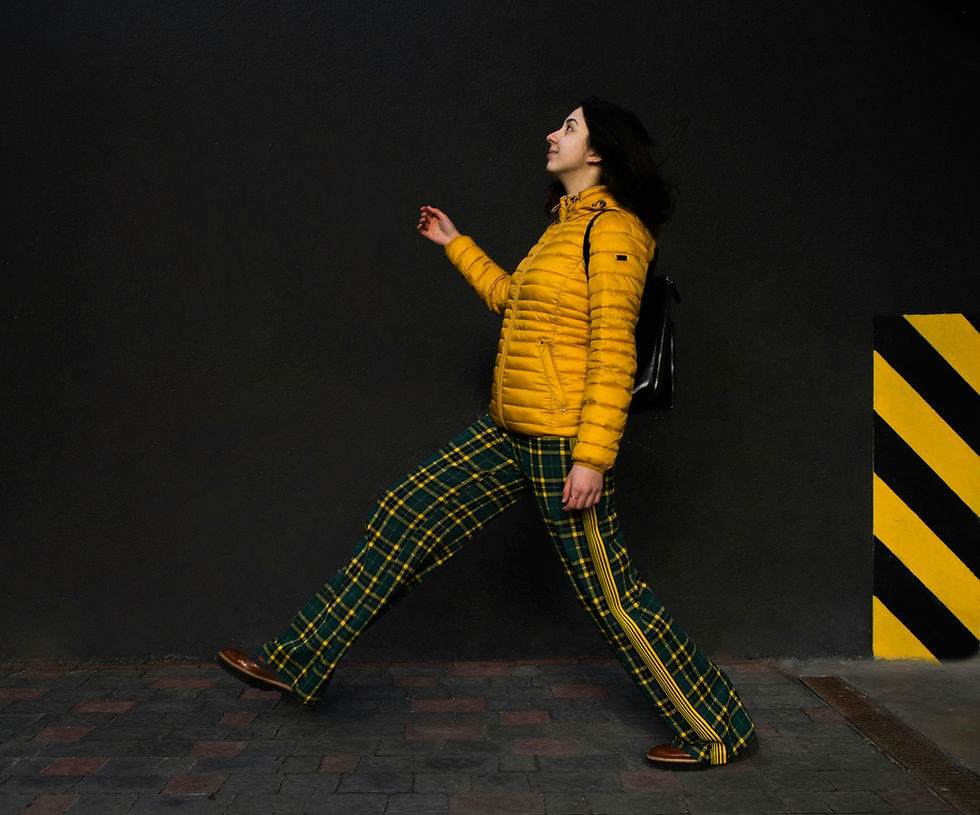
Flux Riot Streetwear embodies urban rebellion, merging bold designs with deep philosophical concepts. Each piece reflects the struggle for individuality and self-expression. Inspired by social movements, the brand challenges norms, encouraging wearers to embrace authenticity. With striking graphics and sustainable materials, Flux Riot promotes a dialogue on identity and community, turning fashion into a canvas for change and empowerment. Flux Riot reads less like a label chasing the next drop and more like a question printed on cotton: what should clothing say before a person even speaks?
That question sits at the center of the brand’s appeal. Flux Riot is built around tension, between order and chaos, rebellion and reflection, noise and meaning. Its pieces feel direct at first glance. Oversized silhouettes. Stark graphics. Washed blacks and muted neutrals. Sharp typography. But the longer the clothes sit with you, the more they appear to be built from ideas rather than trends.
For fashion enthusiasts, that matters. Street style has moved far beyond logo placement and limited releases. The most interesting brands now treat clothing as a visual language. Flux Riot fits into that conversation by using design to explore identity, resistance, contradiction, and collective energy.

Flux Riot starts with a philosophy of controlled chaos
The name says a lot. “Flux” suggests movement, change, and instability. “Riot” suggests disruption, protest, sound, and collective force. Together, they describe a brand that does not treat identity as fixed. Instead, Flux Riot seems to build around the idea that people are always shifting.
That philosophy shows up in the clothes. The brand’s design language often feels unfinished on purpose, with fractured graphics, layered text, distressed treatments, and silhouettes that leave room for movement. Nothing feels too polished. The pieces carry a sense of friction, as if they were made for people who are still becoming themselves.
That is part of why the brand connects inside the wider streetwear conversation. Good streetwear has always carried more than style. It reflects place, music, art, class, rebellion, and self-definition. Flux Riot leans into that history, but it does not rely on nostalgia alone. Its philosophy feels more internal. The riot is not only in the street. It is also in the mind.
The brand’s core ideas can be read through a few recurring tensions:
Change over perfection
Clothes are treated as lived objects, not pristine sculptures. Washed finishes, broken-in textures, and imperfect graphic placements give pieces a sense of use and motion.
Message over decoration
Text and symbols are not just surface details. They point toward larger questions about identity, pressure, freedom, and resistance.
Uniform over costume
The clothes feel expressive, but they remain wearable. A Flux Riot piece is meant to sit inside a daily rotation, not live only in a lookbook.
Collective energy over celebrity worship
The brand’s attitude speaks to a community rather than a single muse. It feels rooted in scenes, sidewalks, late-night gatherings, and shared codes.
That balance is what gives Flux Riot its edge. It understands that fashion can be personal without becoming precious. It can be philosophical without losing the ease of casual wear.
The founders’ vision gives the brand its shape
Flux Riot’s founder-led identity is central to how the brand is understood. The vision behind the label appears to come from a desire to make clothing that carries emotional and cultural weight without feeling forced. The mission is not simply to release product. It is to create pieces that help people name what they feel.
The founders frame the brand around self-expression, tension, and independence. Their stated vision, as reflected through the brand’s messaging and design choices, centers on clothing as a medium for thought. A hoodie can be a shield. A tee can be a statement. A pair of wide-leg pants can change the posture of a whole look. The garment becomes a way of entering the world with intention.
That mission helps explain why Flux Riot avoids the clean minimalism that has dominated parts of contemporary fashion. The brand does not seem interested in disappearing into quiet luxury. Its work is more restless. It uses graphic design, texture, volume, and contrast to create visual pressure.
At the same time, Flux Riot does not appear to chase shock for its own sake. The best pieces feel disciplined. There is often a clear framework behind the chaos. Typography may run across a garment in a raw way, but the spacing still matters. A distressed hem may look accidental, but it supports the mood of the piece. The palette may be dark, but it is not flat.
This is where the founders’ point of view becomes useful. The brand’s mission can be read as a push against passive dressing. Flux Riot invites the wearer to take up space, but not through flash alone. It asks for presence.
Flux Riot’s strongest idea is that clothes can hold conflict. A person can look calm and unsettled, guarded and open, rebellious and thoughtful, all at once.
That layered approach keeps the brand from feeling one-note. A purely aggressive label can become predictable. A purely intellectual label can become cold. Flux Riot works best when those forces meet.
The design language turns philosophy into clothing
Philosophy in fashion only matters if it changes the product. Flux Riot’s ideas are visible because they affect the way the clothes are built, styled, and presented.
Silhouettes create space around the body
Flux Riot often works with relaxed proportions. Oversized tees, boxy hoodies, wide pants, and layered outerwear create a sense of looseness. That shape matters. It suggests comfort, but also defiance. The clothes do not cling or flatter in a traditional way. They create a frame around the wearer.
This choice lines up with the brand’s larger message. A body in Flux Riot does not look styled for approval. It looks ready to move through a city with its own rhythm. The shape gives room for gesture, attitude, and personal styling.
Volume also helps the pieces work across gender. The best unisex clothing is not simply a neutral version of menswear. It gives different bodies the freedom to decide how a garment should sit. Flux Riot’s wider fits and layered proportions support that idea.
Graphics act like fragments of thought
Graphic tees are one of the most direct ways Flux Riot expresses its philosophy. Rather than using graphics as pure decoration, the brand tends to use text, symbols, and distorted layouts as visual fragments. A phrase may feel like a slogan, a warning, or a diary entry. A symbol may suggest protest, movement, or breakdown.
This approach places Flux Riot within a long line of fashion that treats the T-shirt as a public page. Punk did it. Hip-hop did it. Skate brands did it. Art collectives did it. Flux Riot adapts that tradition for a more introspective moment, where the loudest message is not always the clearest one.
The graphic work often feels strongest when it leaves space for interpretation. A wearer does not need every symbol explained. Mystery gives the piece a longer life. It lets the shirt shift meaning depending on the person, the mood, and the setting.
Color choices build emotional tone
Flux Riot’s palette often feels grounded in black, gray, washed neutrals, bone, faded olive, and deep earth tones. This kind of palette does not fight for attention in the same way as neon or high-contrast color blocking. Instead, it builds mood.
Washed black feels different from clean black. It suggests history. A faded gray hoodie can feel more personal than a crisp one. Off-white graphics on a dark base can look like chalk, dust, or worn signage. These details help the clothes feel connected to time and use.
The brand’s darker tones also leave space for styling. They pair well with denim, cargos, technical sneakers, boots, silver jewelry, and layered accessories. That makes the pieces flexible while keeping the visual identity clear.
Texture makes the clothes feel lived in
Texture is one of the quiet strengths of a philosophy-driven label. It can communicate age, pressure, and atmosphere before any graphic does.
Flux Riot’s world fits naturally with heavyweight cotton, washed fleece, ribbed knits, nylon panels, raw edges, and distressed finishes. These materials support the brand’s themes because they resist the flatness of mass-produced basics. A cracked print feels different from a glossy one. A garment-dyed hoodie has a different soul than a standard blank.
The goal is not to make clothing look damaged for no reason. The better reading is that Flux Riot wants clothing to feel like it has already entered life. It belongs on sidewalks, in venues, on trains, outside coffee shops, and in the in-between spaces where style often becomes most personal.

Key collections show how the ideas evolve
Without reducing Flux Riot to a single drop or slogan, its collections can be understood through a few major creative directions. Each one reflects a different side of the brand’s philosophy.
The manifesto pieces focus on language and identity
The manifesto side of Flux Riot is built around text-heavy pieces. These are the garments that feel closest to a printed declaration. They often use bold lettering, broken phrases, and layered slogans to create a sense of urgency.
The inspiration here seems tied to protest posters, zines, underground flyers, and handwritten notes. The visual effect is raw but intentional. A hoodie or tee becomes a place where public language and private emotion meet.
These pieces work because they give the wearer a voice without requiring a full explanation. They feel right in casual settings, but they also carry enough visual weight to anchor a full outfit. Pairing one with faded denim and worn sneakers creates a direct street look. Styling it under a long coat pulls the same piece into a more fashion-forward space.
The uniform capsules explore protection and routine
Another important direction is the uniform-like side of Flux Riot. These pieces focus less on loud graphics and more on shape, utility, and layering. Think boxy hoodies, cargo-style pants, zip layers, overshirts, and simple washed basics.
The inspiration feels connected to workwear, military surplus, skate clothing, and city uniforms. These are clothes for repetition. They suggest the kind of pieces someone reaches for every week because they feel reliable.
This is where Flux Riot’s philosophy becomes practical. Life in a city can be overstimulating. A uniform creates control. The wearer does not need to overthink every choice. The clothes carry a built-in attitude, but they still make sense for daily movement.
The uniform pieces also show restraint. They prove the brand can communicate without covering every surface in graphics. Fit, fabric, and proportion do the work.
The noise-driven graphics channel music and underground scenes
Flux Riot’s louder visual pieces often feel inspired by music culture, especially the energy around punk, experimental rap, industrial sounds, and basement shows. These garments use distortion, contrast, and dense compositions to create a sense of volume.
This connection to sound matters. Fashion and music have always shaped each other. Hip-hop helped make sneakers, tracksuits, oversized tees, and bold jewelry central to global fashion. Punk brought DIY graphics, ripped fabric, and anti-establishment styling. Skate culture made practicality and attitude inseparable. Flux Riot appears to absorb those histories without copying any one scene too neatly.
The result is clothing that feels like it has a soundtrack. It does not need to name the genre. It creates the mood through scale, texture, and graphic rhythm.
The washed essentials show the brand’s quieter side
Not every strong brand piece needs to shout. Flux Riot’s quieter essentials are important because they make the larger world wearable. Washed tees, plain hoodies, relaxed sweatpants, and simple layering pieces give the collection balance.
These garments may look simple at first, but they carry the same philosophy through texture and fit. A washed black tee with the right weight can say more than a busy design. A hoodie with a strong hood shape and slightly dropped shoulder can set the tone for an entire outfit.
Essentials also help build loyalty. They are the pieces that enter everyday style. They get worn, washed, faded, and personalized over time. That lived-in quality fits the Flux Riot idea better than pristine perfection.
Street culture changed the rules of contemporary fashion
Flux Riot makes the most sense when viewed inside the bigger shift that has changed fashion over the last few decades. The old divide between runway fashion and street culture no longer holds the same power. Sneakers sit beside tailored coats. Hoodies appear in luxury collections. Vintage sportswear influences high-end styling. A graphic tee can carry as much cultural meaning as a designer jacket.
This shift did not happen by accident. It came from real communities. Skateboarders, rappers, graffiti writers, club kids, sneaker collectors, DJs, stylists, and independent designers all helped move street-born clothing into the center of fashion. They proved that style did not have to come from traditional fashion houses to matter.
Flux Riot benefits from that history, but it also reflects the next stage of it. Contemporary fashion now values story, identity, and community as much as polish. A garment needs to feel connected to something. That connection might be a music scene, an art practice, a neighborhood, a belief system, or a shared mood.
For many young brands, the challenge is avoiding empty aesthetics. Distressed prints, oversized fits, and dark palettes are easy to imitate. The difference comes from point of view. Flux Riot’s strongest work stands out because it treats those choices as part of a larger philosophy.
This is also why the brand feels relevant beyond trend cycles. Trends change quickly. Wide pants become slimmer. Logos grow and shrink. Certain sneakers rise and fall. A coherent philosophy gives a label more room to evolve. The visual language can shift while the core idea remains intact.
The impact of street culture on contemporary fashion can be seen in several major changes:
Comfort gained status
Graphics became cultural language
Drops changed desire
Styling became more personal
Gender rules loosened
Hoodies, tees, sweats, and sneakers became central fashion pieces rather than lazy defaults.
Clothing started to carry messages, references, jokes, and political energy in plain sight.
Limited releases created urgency, but they also made community knowledge part of the experience.
Mixing vintage, luxury, sportswear, and DIY pieces became normal rather than unusual.
Oversized fits and shared silhouettes made fashion feel less tied to strict categories.
Flux Riot sits comfortably in this changed world. It does not try to separate philosophy from wearability. It understands that a person can care about ideas and still want a hoodie that fits well.
Why the brand resonates with fashion enthusiasts
Fashion enthusiasts often look for more than a nice piece. They look for intention. They notice whether a collection has a point of view. They can tell when a graphic feels random, when a fit feels copied, or when distressing exists only because it is trendy.
Flux Riot gives this audience something to read. A piece can be appreciated as design, but also interpreted as a statement. That makes the brand more engaging than labels that rely only on scarcity.
The appeal also comes from the way Flux Riot supports personal styling. The clothes do not demand one exact look. A washed graphic tee can go with cargos and skate shoes, but it can also sit under a cropped leather jacket. A boxy hoodie can work with technical pants, faded jeans, or wide tailored trousers. A simple beanie or chain can change the tone without overwhelming the outfit.
That flexibility is valuable. The most useful pieces in a wardrobe are often the ones with strong identity and open styling potential. Flux Riot seems to understand that. Its garments carry mood, but they leave room for the wearer.
There is also an emotional reason the brand connects. Modern life often feels unstable, noisy, and hard to define. Flux Riot turns that instability into design. It does not promise escape from chaos. It gives the chaos a shape.
How to read the details in a Flux Riot look
A strong Flux Riot look usually works because the details speak to each other. The styling does not need to be complicated, but it should feel intentional.
A few details are worth watching:
Proportion
Oversized tops work best when the lower half feels balanced. Wide pants can make the look feel grounded. Slimmer pants can sharpen the silhouette.
Layering
A long tee under a cropped jacket creates tension. A hoodie under a loose overshirt adds depth. The brand’s philosophy comes alive through layers.
Texture
Washed cotton, faded denim, nylon, canvas, and leather all create different moods. Wearing too many polished surfaces can flatten the look.
Footwear
Sneakers, boots, and skate shoes each change the reading. Clean sneakers make the outfit feel graphic. Worn shoes make it feel lived in.
Accessories
Keep them purposeful. A beanie, chain, ring, or crossbody bag can support the mood without turning the outfit into costume.
The key is to avoid treating every piece like it has to be loud. One strong graphic can carry a look. One oversized shape can set the tone. The philosophy works best when the outfit has space to breathe.
FAQ
What is the main philosophy behind Flux Riot?
Flux Riot is built around change, tension, and self-expression. The brand uses clothing to explore the feeling of living between control and chaos, with designs that often combine raw graphics, relaxed silhouettes, and lived-in textures.
What makes Flux Riot different from other fashion labels?
Flux Riot stands out because its pieces feel tied to a clear idea. The clothes are not just trend-based. They use graphics, shape, and fabric choices to express identity, resistance, and movement.
Are Flux Riot pieces easy to wear every day?
Yes, many of the brand’s strongest ideas work through everyday garments like tees, hoodies, relaxed pants, and outerwear. The designs can feel bold, but the shapes and colors often make them easy to style.
What inspires Flux Riot collections?
The brand appears to draw from protest graphics, underground music, skate culture, workwear, city uniforms, and personal identity. Its collections often mix visual noise with practical clothing.
How does Flux Riot fit into contemporary fashion?
Flux Riot reflects the broader rise of street culture in fashion. It shows how casual garments, graphics, sneakers, and oversized silhouettes can carry serious design value and cultural meaning.
The lasting idea behind Flux Riot
Flux Riot’s strength is not only in its graphics or silhouettes. It is in the way those choices connect to a larger point of view. The brand treats clothing as a form of thought, a way to move through public space with feeling, friction, and intent.
That is why Flux Riot feels aligned with where fashion is now. Contemporary style is less interested in strict categories and more interested in personal codes. People mix references. They wear comfort with conviction. They choose pieces that say something, even when the message is not obvious at first glance.
Flux Riot gives that impulse a name and a uniform. Its best designs do not clean up contradiction. They let it show. For a brand built on philosophy, that may be the most honest design choice of all.