
top of page

JOURNAL

Master How to Build a Festive Outfit Around a Statement Piece and create a confident holiday look that feels stylish, balanced, and personal. A great festive outfit often starts with one irresistible item. The sequined dress you kept thinking about. The velvet heels that make every step feel special. The sculptural earrings that turn a simple sweater into a full look. When one piece has that much presence, the rest of the outfit does not need to compete. It needs to support.


That is the beauty of building around a statement piece. It gives the outfit a clear direction, which makes getting dressed easier and more fun. Instead of trying on ten combinations and hoping something works, you begin with the item that excites you most, then shape the colors, textures, layers, and accessories around it.


Festive dressing can go in many directions. It can be glamorous, cozy, playful, minimal, classic, or bold. The key is choosing one focal point and letting it set the mood. From holiday parties to family dinners, a standout piece can make your look feel intentional without making it feel overdone.


Eye-level view of a red satin dress hanging beside gold heels and crystal earrings.
Start with the piece that sets the mood for the whole outfit.

Start with one piece that deserves the spotlight


The statement piece is the heart of the look. It should be the item people notice first, but it should also feel like something you actually want to wear. That second part matters. A statement piece that feels awkward, uncomfortable, or unlike you will make the whole outfit harder to enjoy.


A standout item can be almost anything:


  • A bold dress in red, emerald, cobalt, silver, or rich metallic fabric

  • A velvet blazer with strong structure

  • Glittering heels, jeweled flats, or dramatic boots

  • A beaded bag or satin clutch

  • Oversized earrings, a cocktail ring, or a layered necklace

  • A festive top with feathers, sequins, lace, or shine

  • A patterned skirt, brocade pants, or a dramatic coat


The best statement pieces have presence. They bring color, texture, shine, shape, or movement to the outfit. A black slip dress with a dramatic open back can be just as striking as a gold sequin mini. A pair of emerald velvet shoes can carry a look as strongly as a printed dress.


Before you build the outfit, ask a few simple questions.


Does this piece set a clear mood?


A red satin dress might feel romantic and classic. Silver platform heels might feel playful and party-ready. A tartan skirt might feel nostalgic and cozy. The mood helps guide every other choice.


Is it comfortable enough for the occasion?


If the dress looks great but makes sitting impossible, it may not work for a long family dinner. If the shoes are beautiful but painful after 20 minutes, save them for a shorter event or bring a backup pair.


Does it feel like your style?


Festive clothing should still feel connected to the person wearing it. If you love clean lines, your statement piece might be a sleek metallic skirt rather than a heavily embellished dress. If you love drama, it might be a feather-trimmed top or bold red suit.


Once you pick the hero item, give it room. That does not mean everything else has to be plain. It means the supporting pieces should make the main item look better, not fight with it.


For example, if the statement piece is a sequined dress, simple earrings, sheer tights, and sleek shoes may be enough. If the statement piece is jeweled heels, a knit dress or tailored jumpsuit can create balance. If the statement piece is a bold necklace, a clean neckline lets it shine.


The goal is not to hide your personality. The goal is to create a look with focus.


Use color to create a polished festive look


Color is one of the easiest ways to make a festive outfit feel pulled together. It can also be the quickest way to make a statement piece look intentional instead of random.


Start by looking closely at the main item. What colors does it include? A printed dress might have burgundy, cream, forest green, and black. A pair of metallic shoes might read warm gold or cool silver. A velvet blazer might have depth that changes slightly in different light.


Use those clues to choose the rest of the outfit.


Build with a simple color story


A color story does not need to be complicated. In fact, festive outfits often look stronger when the palette stays tight.


Try one of these approaches:


  • Tonal dressing

    Choose shades from the same color family. A burgundy satin skirt, berry sweater, and deep wine lipstick feel rich without needing much else.


  • Classic contrast

    Pair one strong color with a neutral. Emerald with black, red with cream, silver with charcoal, or gold with ivory always feels sharp.


  • Metallic accenting

    Let gold, silver, bronze, or pewter act like a neutral. Metallic shoes or jewelry can brighten a simple outfit without adding another bright color.


  • One pop of color

    Keep the base simple, then add one vivid accent. A black velvet dress with cobalt heels. A cream sweater and trousers with a ruby bag.


  • Soft festive tones

    If bright red and green feel too literal, use softer versions. Try rose, champagne, sage, chocolate, navy, pearl, or icy blue.


A good rule for festive apparel is to let the statement piece carry the strongest color, then repeat one smaller element somewhere else. If your dress has gold buttons, add gold earrings. If your shoes are red, try a red lip, hair ribbon, or small clutch. If your skirt has blue in the print, echo it with a navy sweater.


Repeating color in small doses makes the outfit feel connected.


Know when to use neutrals


Neutrals are not boring. They are the frame around the artwork. Black, white, cream, camel, gray, denim, and chocolate brown can calm down shine, balance bright colors, and make special pieces easier to wear.


A silver sequin top with black wide-leg pants feels sleek. A red satin skirt with a cream cashmere sweater feels warm and elegant. A rhinestone bag with jeans and a black turtleneck feels relaxed but still festive.


The trick is choosing neutrals that match the energy of the statement piece.


A cozy fair isle sweater looks natural with denim, corduroy, wool, or suede. A crystal-covered heel looks better with silk, satin, velvet, or a clean tailored fabric. A dramatic feather top may need simple trousers, not casual leggings, unless the contrast is very intentional.


Neutrals can also help when the occasion is more low-key. For a family gathering, a bold plaid skirt might feel just right with a soft black sweater and loafers. For a cocktail party, the same skirt could shift with a fitted bodysuit, gold earrings, and heels.


Close-up of silver embellished heels placed beside black velvet pants and a satin clutch.
Metallic pieces feel strongest when the rest of the palette stays focused.

Mix textures with intention


Festive style loves texture. Velvet, satin, silk, lace, sequins, faux fur, wool, leather, suede, tulle, feathers, and metallic finishes all bring depth to an outfit. The challenge is knowing how much texture to use at once.


A statement piece often has a special texture already. Maybe it shines, sparkles, drapes, or feels plush. The rest of the outfit should either soften that texture or create contrast.


Pair shine with softness


Shiny pieces look especially good with matte or soft textures. Sequins with cashmere. Satin with wool. Metallic leather with denim. Rhinestones with velvet. The contrast makes each texture stand out more.


For a holiday party, try a silver sequin skirt with a soft black sweater and pointed flats. The sweater makes the skirt feel less costume-like, while the sequins keep the outfit celebratory. For dinner at home, a satin slip dress can become more relaxed with a chunky cardigan and low heels.


If the statement piece is already soft, such as a velvet blazer or faux fur jacket, you can add shine in smaller touches. Think satin camisole, patent shoes, pearl earrings, or a beaded bag.


Keep heavy textures balanced


Some festive textures have visual weight. Velvet, brocade, jacquard, faux fur, and thick knits can feel rich and warm, but too many heavy pieces together may look bulky.


Balance them with something smoother or lighter.


A velvet dress works well with sheer tights and sleek heels. Brocade pants look fresh with a fine knit top. A chunky festive sweater pairs nicely with a satin skirt instead of another thick fabric.


This balance matters even more in winter, when layers are practical. A heavy coat, thick sweater, and structured boots can all make sense, but the outfit may need a cleaner line. Try tucking the sweater, choosing a slimmer pant, or adding a belt to define the shape.


Let accessories change the texture story


Accessories are the easiest way to add festive texture without rebuilding the whole outfit.


A simple black dress can shift quickly with:


  • Crystal earrings

  • A velvet bow

  • A metallic clutch

  • Patent Mary Janes

  • Sheer patterned tights

  • A pearl headband

  • A satin scarf


This is especially useful for anyone who prefers understated clothes. A statement accessory adds celebration without requiring a full sparkle moment. It also helps stretch a wardrobe during a busy season of gatherings. One classic dress can become several holiday outfits with a few smart swaps.


For example, wear it with gold hoops and ankle boots for casual drinks. Add rhinestone earrings and heels for a party. Layer a cropped cardigan and ballet flats for family brunch. The statement piece does not always have to be clothing. Sometimes the right accessory does the heavy lifting.


Match the outfit to the occasion without losing yourself


Festive dressing works best when the outfit fits both the event and your personality. A look that feels perfect for New Year’s Eve may feel too much for a relaxed gift exchange. A cozy family outfit may not have enough polish for a cocktail party. The goal is to adjust the supporting pieces, not erase your style.


Holiday parties can handle more sparkle


Holiday parties are made for shine, bold color, and a little drama. If there is ever a time to wear the red dress, the sequined blazer, or the crystal shoes, this is it.


For a cocktail-style party, a statement dress can stand on its own. Try a velvet mini dress with sheer tights and platform heels, or a satin midi dress with sculptural earrings and a sleek clutch. If the statement piece is a blazer, wear it with tailored trousers, a camisole, and sharp shoes.


For a more casual house party, use one dressy piece with relaxed basics. A sequin top with straight-leg jeans and heeled boots feels festive but not stiff. A metallic skirt with a tucked-in sweater feels cheerful and easy. A feather-trimmed top with simple black pants makes an impression without feeling overbuilt.


To avoid looking too busy, choose one main point of shine. If the dress is covered in sequins, keep jewelry clean. If the earrings are oversized and bright, let the neckline stay simple. If the shoes are the star, keep the hemline where they can be seen.


Family gatherings call for comfort and warmth


Family gatherings often involve sitting, eating, helping in the kitchen, playing with kids, traveling between homes, or spending hours in one outfit. Comfort matters.


This does not mean giving up style. It means choosing a statement piece that can live through the day.


A festive sweater with a special detail, such as pearl buttons, a fair isle pattern, or metallic threads, can look charming with wide-leg jeans, corduroy pants, or a satin skirt. A bold plaid midi skirt works well with a soft sweater and comfortable boots. A velvet headband or beaded flats can dress up a simple knit dress.


Think about movement. Can you sit comfortably? Can you walk on slick sidewalks or hardwood floors? Will you be too warm indoors? Can you remove a layer and still like the outfit?


A good family gathering outfit often has a soft hero piece, then one polished accent. For example:


  • A cranberry sweater dress with gold hoops and knee-high boots

  • A tartan skirt with a black turtleneck and loafers

  • A satin blouse with dark denim and jeweled flats

  • A cozy cream sweater with a red velvet bow and straight-leg pants


Small details can still feel special. A ribbon in the hair, a pretty collar, a brooch, or a pair of party flats can bring the festive mood without getting in the way.


Wide-angle view of a cozy living room chair holding a plaid skirt, cream sweater, and red velvet flats.
Family gatherings often call for festive pieces that feel relaxed and wearable.

Dinner plans need polish and ease


Dinner outfits have a specific challenge. They need to look good sitting down. That makes neckline, sleeves, jewelry, and upper-body details especially important.


If the statement piece is a top, dinner is the perfect setting. Try a velvet wrap blouse, satin button-front shirt, feather-trimmed knit, or off-the-shoulder sweater. Pair it with simple trousers, dark denim, or a skirt that feels comfortable at the waist.


If the statement piece is shoes, choose a hemline that shows them off while seated. Cropped trousers, a midi skirt with movement, or a slit dress can help.


Avoid anything that needs constant adjustment. A neckline that slips, a waistband that pinches, or sleeves that drag through plates will distract from the fun. The best dinner look lets you relax.


New Year’s outfits can feel bold and fresh


New Year’s Eve and New Year’s Day both invite a sense of change. This is a great moment for metallics, sleek black, winter white, icy blue, or strong jewel tones.


For New Year’s Eve, a statement piece might be a silver dress, a crystal bag, a sharp jumpsuit, or dramatic heels. Keep the rest clean so the look feels modern. A silver mini dress with black tights and simple earrings can be stronger than layering on every sparkly piece you own.


For New Year’s Day, soften the shine. Try a metallic pleated skirt with a cozy sweater, or a satin blouse with relaxed trousers. A bold accessory still feels celebratory, but the outfit can be gentler and more comfortable.


This is also a good time to try a fresh style direction. If you usually wear dresses, try a velvet suit. If you usually choose black, try winter white. If you usually keep accessories small, try one dramatic pair of earrings.


Finish the look with balance, comfort, and personality


The finishing touches decide whether an outfit feels styled or simply dressed. Once the main pieces are in place, look at the full picture. Check proportion, comfort, layers, and personal details.


Balance proportions from head to toe


A statement piece often changes the visual weight of the outfit. A dramatic top may need a cleaner bottom. A full skirt may need a fitted or tucked top. Chunky shoes may work best with a hemline that gives them space.


Use the mirror test, then adjust one thing at a time.


If the outfit feels top-heavy, simplify the earrings, change the neckline, or choose a sleeker shoe. If it feels bottom-heavy, add a stronger earring, a brighter lip, or a more structured top. If the outfit feels too plain, add texture or shine in one small place.


Proportion also affects comfort. A tight dress with delicate heels might look great for a photo, but it may not feel right for hours of standing. A floaty dress with stable boots might give the same drama with less effort.


Choose shoes for the real event


Shoes can be the statement piece, but they also have a job to do. They need to match the setting.


For indoor parties, heels, metallic sandals, ballet flats, loafers, and embellished Mary Janes can all work. For winter weather, boots may be the smarter choice. Knee-high boots with a dress can look just as festive as pumps, while offering warmth and stability.


If you love a high heel, consider block heels or platforms for more support. If you prefer flats, choose a special finish. Velvet, patent leather, metallic leather, satin, or crystal details can make flat shoes feel party-ready.


Comfort does not have to look practical in the dull sense. A beaded flat, glossy loafer, or ankle boot with a sculptural heel can be stylish and wearable.


Layer without hiding the look


Outerwear is part of the outfit, especially during winter. A coat that clashes with the look can dull the effect before you even arrive.


Choose outer layers that support your statement piece. A long wool coat looks beautiful over a satin dress. A cropped faux fur jacket adds drama to a simple slip skirt. A tailored coat balances sparkle. A leather jacket can make a festive dress feel less sweet.


For indoor layers, think about what happens when you take something off. If your cardigan is part of the look, the outfit should still work with and without it. If your coat covers a dramatic sleeve, let shoes or earrings carry some of the impact.


Add one personal detail


The most memorable outfits usually include something personal. Maybe it is a vintage brooch from a relative, a color you wear every December, a pair of earrings you bought on a trip, or a lipstick that makes you feel instantly ready.


Trends can offer ideas, but personal style makes the outfit yours. If current seasonal fashion is leaning toward silver, bows, or velvet, use what appeals to you and skip what does not. A festive look should feel expressive, not like a costume assigned by the calendar.


A few personal finishing ideas:


  • Wear a signature color in a festive fabric

  • Add a sentimental piece of jewelry

  • Choose a playful bag that starts conversations

  • Mix a dressy item with a casual favorite

  • Repeat a style detail you love, such as bows, pearls, red lips, or pointed shoes


Personal style also includes knowing your limits. If you dislike strapless tops, skip them. If you never wear stilettos, do not make a long party the test run. If bold colors make you feel unlike yourself, choose texture instead of brightness.


Confidence often comes from comfort, familiarity, and one exciting detail.
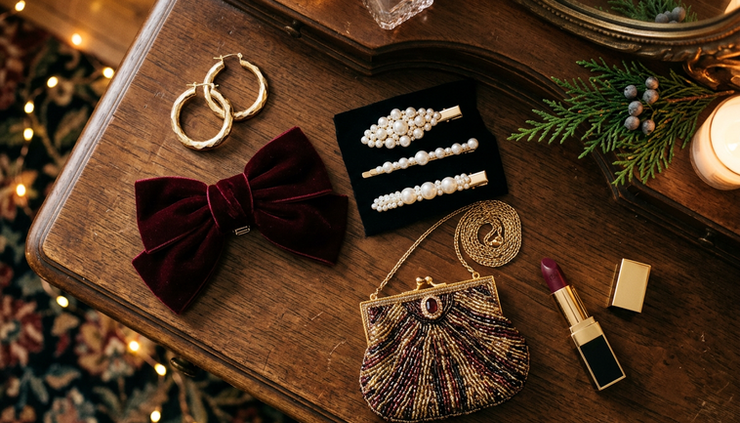

Overhead view of gold earrings, a velvet bow, pearl hair clips, and a small beaded bag on a dressing table.
Finishing touches can make a simple outfit feel personal and festive.

FAQ


What makes a good statement piece for a festive outfit?


A good statement piece has a clear focal point, such as color, shine, texture, shape, or detail. It should also feel comfortable enough for the event and true to your personal style.


Can I wear more than one bold item at once?


Yes, but choose a hierarchy. Let one piece be the main focus and make the others quieter. For example, a sequin skirt can work with bold earrings if the top and shoes stay simple.


How do I make a festive outfit feel less formal?


Pair the statement piece with relaxed textures. Try sequins with denim, satin with knitwear, velvet with flat shoes, or a bold dress with a casual jacket.


What should I wear to a family gathering if I want to be comfortable?


Choose a soft statement piece, such as a festive sweater, plaid skirt, satin blouse, or velvet flats. Add simple layers and shoes you can wear for several hours.


Are festive outfits always supposed to be red, green, gold, or silver?


No. Those colors are classic, but they are not the only options. Navy, ivory, chocolate, blush, burgundy, emerald, icy blue, and black can all feel festive with the right fabric or accessories.
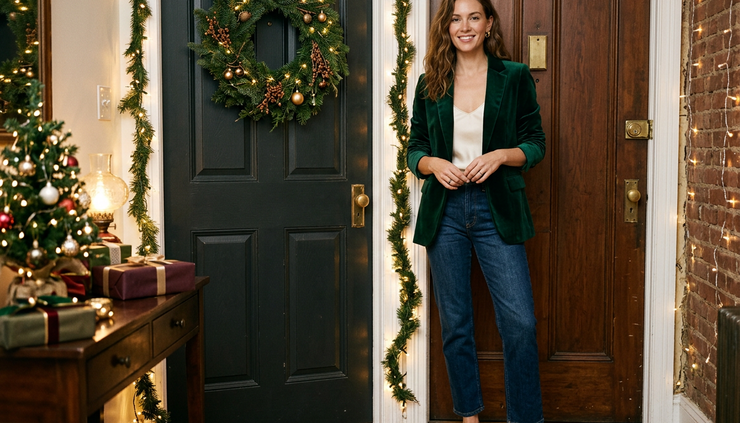

Eye-level view of a person wearing a velvet blazer with dark jeans and jeweled flats near a decorated doorway.
A balanced festive outfit feels special while still feeling like you.

Let the statement piece lead, then make the outfit yours


Building a festive outfit around a statement piece makes dressing for the season simpler and more stylish. Start with the item that excites you most, then support it with colors, textures, layers, and accessories that help it shine.


A bold dress may need only simple shoes and clean jewelry. Eye-catching shoes may need a quieter outfit that lets them stand out. Unique accessories can transform a familiar dress, sweater, or pair of jeans into something party-ready.


The best festive looks have focus, but they also have ease. They let you move, sit, eat, laugh, travel, and enjoy the moment. Choose the standout piece, style it with intention, and leave room for the details that feel like you.


Discover How to Find Clothes That Fit Well When Shopping Online with expert advice on measuring, comparing brands, and avoiding returns. Master How to Find Clothes That Fit Well When Shopping Online: check fabric, read reviews, and choose sizes with confidence. A great online order can feel like a small win. The color looks right, the fabric feels good, and the fit works without a trip to the tailor. A bad one is the opposite: sleeves that pull, jeans that gap, a dress that fits in one place and not another, or a shirt that looks nothing like the photo once it is on a real body.


The challenge is simple. Online shopping removes the fitting room. The solution is not guessing better, buying the same size everywhere, or ordering three sizes every time. The better approach is to shop with a fit system.


That means knowing your measurements, reading size charts carefully, checking reviews with the right eye, paying attention to fabric, and making sure returns will not turn a minor mismatch into a costly mistake.


Eye-level view of folded casual clothes beside a tape measure on a bed
Good fit starts before the checkout page.

Start with your real measurements


The biggest online shopping mistake is treating size as a fixed identity. A medium in one brand can fit like a small in another. A size 8 in jeans may not match a size 8 in a skirt from the same store. Even within one brand, fit can change by style, fabric, and cut.


Measurements give you a better starting point than the letter or number on the tag.


You do not need a professional setup. A soft measuring tape, a mirror, and a few minutes are enough. If possible, wear close-fitting clothes or undergarments similar to what you would wear with the item. Stand naturally. Do not hold your breath or pull the tape too tight.


The most useful measurements are:


  • Chest or bust

    Measure around the fullest part of the chest or bust, keeping the tape level across the back.


  • Waist

    Measure around the natural waist, usually the narrowest part of the torso or where the body bends when leaning side to side.


  • Hips

    Measure around the fullest part of the hips and seat.


  • Inseam

    Measure from the crotch seam to the bottom of the ankle, or measure a pair of pants that already fits well.


  • Shoulder width

    Measure from shoulder point to shoulder point across the back. This helps with jackets, button-down shirts, and structured tops.


  • Sleeve length

    Measure from the shoulder point down to the wrist, with the arm relaxed.


  • Rise

    For pants and jeans, measure from the crotch seam to the top of the waistband on a pair you like. This helps you compare low-rise, mid-rise, and high-rise styles.


  • Garment length

    Measure a top, dress, skirt, or jacket you already own and like. Compare that length to product descriptions when available.


Keep these numbers in a note on your phone. Update them every so often, especially if your body changes, your preferred fit changes, or you are shopping for a category you have not measured before.


Fit also depends on ease. Ease is the extra room built into a garment beyond your body measurement. A fitted cotton shirt may have little extra room. A relaxed sweatshirt may have several inches. That is why your body measurement is only one part of the decision.


A helpful habit is to compare with clothes you already love. Lay a favorite T-shirt flat and measure across the chest, from armpit to armpit. Double that number to get the chest width around the body. Do the same for pants, skirts, and jackets. These “garment measurements” can be even more useful than body measurements when an online store provides them.


Spooky American Flag Ghost Long Sleeve Tee
From$0.00$19.99
Buy Now

Know the difference between body size and garment size


Some size charts show body measurements. Others show garment measurements. Mixing them up leads to confusion.


A body measurement chart tells you which size is designed for your body. For example, it may say a medium fits a 38-inch chest.


A garment measurement chart tells you the actual measurement of the item. For example, it may say the medium shirt measures 42 inches around the chest.


That difference matters because a shirt designed for a 38-inch chest might need to measure 40 to 44 inches depending on the intended fit. A slim button-down, oversized tee, and relaxed hoodie all need different amounts of room.


Look for words near the chart such as:


  • “Body measurements”

  • “Garment measurements”

  • “Measurements taken flat”

  • “Model is wearing”

  • “Fit is slim”

  • “Fit is relaxed”

  • “Size up for an oversized look”


When the chart does not say which type it uses, check the product details or customer reviews. If the store has customer service chat, ask. A quick question can save a return.


Read size charts like a fit map


Size charts are useful, but only if you read them with care. The best chart is specific to the item or brand. A generic size chart can still help, yet product-level details are usually better.


Start with the measurement that matters most for the garment.


For tops, jackets, and dresses, the chest or bust and shoulders often make the biggest difference. For jeans and pants, the waist, hips, rise, and inseam matter most. For skirts, the waist and hip measurement usually lead the decision. For jumpsuits and one-piece garments, torso length can be just as important as width.


If your measurements fall into different sizes, choose based on the area where the garment has the least give.


For example:


Garment type

Prioritize this measurement

Why it matters

Blazer or structured jacket

Shoulders and chest

Tailoring these areas is harder and can affect movement

Jeans

Hips, waist, rise, and inseam

Denim fit changes a lot by cut and stretch level

Button-down shirt

Chest and shoulders

Pulling at buttons usually means the size or cut is off

Dress

Bust, waist, hips, and length

The right size depends on the silhouette

Leggings or activewear

Hips, waist, and stretch

Compression and recovery affect comfort

Skirt

Waist, hips, and length

Shape determines whether it sits smoothly or pulls


If an item is fitted and your body measurements sit between two sizes, sizing up may give a smoother fit. If the item is oversized, sizing down may still give the intended look. If the fabric has no stretch, give yourself more room.


Pay attention to size chart ranges too. If a size medium fits a 36 to 38-inch chest and you are exactly 38 inches, the item may feel snug if the cut is slim. If you prefer room, the next size may be better. If the item is relaxed or stretchy, the medium may still work.


Use model information, but do not rely on it alone


Product photos often list the model’s height and size. This can help with length and proportions, but it has limits.


A model may be 5 feet 10 inches tall wearing a small, while someone 5 feet 3 inches may find the same dress much longer. A cropped jacket on a tall model may hit closer to the hip on a shorter person. Wide-leg pants may pool at the floor if the inseam is long.


Use model photos to understand the intended shape:


  • Is the top meant to skim the body or hang loose?

  • Does the dress sit close through the waist?

  • Are the pants cropped, ankle length, or full length?

  • Does the waistband sit at the natural waist or lower?

  • Are the sleeves fitted or roomy?


Then compare measurements rather than copying the model’s size.


Close-up of hands measuring the waist of jeans laid flat on a wooden chair
Flat measurements make online size charts easier to use.

Use reviews as a second fitting room


Customer reviews can answer questions that product pages often skip. The key is to look for patterns, not one-off comments.


A single review saying “runs small” may not mean much. Ten reviews mentioning tight sleeves, a narrow waist, or extra-long inseam are more useful. Look for details from people who share your fit priorities, height range, body shape, or usual size.


Good review clues include:


  • The reviewer’s height and weight, when shared voluntarily

  • The size ordered

  • Their usual size in other stores

  • Whether the item runs small, large, short, long, narrow, or wide

  • Comments about arms, shoulders, bust, hips, thighs, or waist

  • Photos from customers in normal lighting

  • Notes after washing or wearing

  • Whether the item stretched out during the day


Customer photos can be especially helpful because they show how the garment behaves off the studio set. You can see if fabric clings, wrinkles, sheers out, bags at the knee, or drapes nicely.


Search reviews for exact terms when the site allows it. Useful search words include:


  • “size up”

  • “size down”

  • “stretch”

  • “tight”

  • “loose”

  • “short”

  • “long”

  • “see-through”

  • “waist”

  • “hips”

  • “shoulders”

  • “sleeves”

  • “inseam”

  • “washing”


Do not ignore negative reviews, but read them carefully. Some complaints come from mismatched expectations. A buyer who wanted a thick winter sweater may dislike a lightweight knit, while that same item may be perfect if you wanted an easy layering piece.


Look for reviews that explain the why. “Too small” is less useful than “the waist fit, but the thighs were tight.” “Bad fit” is less helpful than “the shoulders were narrow and the fabric had no stretch.”


Nautical Anchor Graphic Tee in Calm Coastal Style
From$22.00
Buy Now

Watch for fit language in product descriptions


Brands often give clues in the copy. These words are not exact measurements, but they set expectations.


  • Slim fit

    Cut closer to the body. Consider sizing up if you prefer room or if the fabric has little stretch.


  • Tailored fit

    Shaped to follow the body. Common in blazers, shirts, coats, and trousers.


  • Relaxed fit

    More room through the body. This can feel true to size but not tight.


  • Oversized fit

    Designed to look large. Sizing down changes the look, but may work if you want less volume.


  • Bodycon or compression fit

    Designed to fit very close. Fabric stretch matters a lot.


  • Boxy fit

    Wider and straighter through the body. It may feel roomy at the torso but shorter in length.


  • Cropped

    Shorter than a standard length. Check the garment length, especially if you have a long torso.


  • Curvy fit

    Often designed with more room through the hips and thighs relative to the waist. Helpful for jeans and pants if waist gapping is common.


The goal is to match the item’s intended style to your preferred fit. A piece can be the “right” size and still feel wrong if the cut does not suit how you like clothes to sit.


Try virtual fitting tools when they are available


Many online stores now offer size recommendation tools, fit quizzes, or virtual fitting rooms. They are not perfect, but they can help narrow choices when used with your own measurements.


These tools may ask for height, weight, age range, body shape, typical size in other brands, or how you prefer items to fit. Some compare your data with past buyers and return patterns. Others let you enter measurements and suggest a size based on the brand’s chart.


Use these tools as a guide, not a final answer. They are strongest when:


  • You know your current measurements

  • You answer preference questions honestly

  • The tool is specific to the item

  • The brand has reliable data from many buyers

  • You compare the recommendation with the size chart


For example, a tool may recommend a medium because most similar shoppers kept that size. If the size chart shows the medium will be tight at your hips and the fabric has no stretch, sizing up may still be smarter. If the tool recommends a large but the item is oversized and reviewers say it runs big, a medium may be the better call.


Virtual fit tools can also help shoppers who are between sizes. Some will tell you whether one size gives a tighter fit and the next gives a looser fit. That kind of guidance is useful because fit preference is personal.


Save your best-fit brands and sizes


Online shopping gets easier when you build a record. Keep a simple note with brands, sizes, and fit comments.


For example:


Brand or store

Item type

Size that worked

Fit notes

Store A

Straight-leg jeans

30 regular

Waist fit well, inseam needed flat shoes

Store B

Cotton tees

Medium

Relaxed fit, shrinks slightly after wash

Store C

Blazer

Large

Good shoulders, sleeves a little long

Store D

Midi dress

Small

Stretchy fabric, fitted but comfortable


This personal fit history becomes more useful over time. It also helps when browsing a clothing store that releases new arrivals in similar cuts season after season.


If an order does not work, record why before returning it. “Too small” is less useful than “medium pulled across back and sleeves were short.” That note will help next time.


Overhead view of a laptop showing an online size guide beside casual outfits
Fit tools work best when paired with real measurements.

Pay close attention to fabric and stretch


Fabric can change the way a size feels. Two garments with the same measurements can fit very differently if one is stiff cotton and the other is a soft knit.


When shopping online, read the fabric content before choosing a size. The product description may list cotton, polyester, rayon, linen, wool, nylon, spandex, elastane, or blends. It may also describe the fabric as woven, knit, ribbed, structured, lightweight, heavyweight, brushed, or stretch.


Here is how fabric often affects fit:


Fabric or construction

What to expect

Fit tip

Woven cotton

Holds shape, usually limited stretch

Size for the largest body area the item covers

Cotton knit

Softer and more flexible

Check if it may shrink after washing

Denim with no stretch

Structured and firm

Prioritize hips and thighs, then tailor waist if needed

Stretch denim

Gives with movement

Read reviews to see if it stretches out during wear

Linen

Breathable, wrinkles easily, little stretch

Choose a relaxed fit for comfort

Ribbed knit

Expands and hugs the body

Check whether the fabric is thick enough for your comfort

Satin or silky woven fabric

Drapey but often unforgiving at seams

Avoid too-tight sizing, especially at hips or bust

Ponte knit

Thick, stretchy, and smooth

Good for fitted pieces with comfort

Activewear fabric

Stretchy and sometimes compressive

Decide if you want compression or a softer fit


A small amount of spandex or elastane can make a big difference. Jeans with 1 to 2 percent stretch may feel more forgiving than rigid denim. Leggings or activewear may have much higher stretch and compression.


Stretch has two parts: give and recovery. Give means the fabric stretches as you move. Recovery means it springs back instead of staying stretched out. Reviews can help here. If several shoppers say pants bag at the knees or the waistband loosens by midday, the fabric may have poor recovery.


Comfortable Cozy Night Club Crewneck Sweatshirt
From$0.00$25.00
Buy Now

Think about care and shrinkage


Fit does not stop when the package arrives. Washing and drying can change size and shape.


Cotton, rayon, viscose, and some knits may shrink, especially with heat. Wool can felt or shrink if washed incorrectly. Linen may relax with wear and tighten again after washing. Some items stretch out at pressure points, such as elbows, knees, and waistbands.


Before buying, check the care instructions. If the item is dry clean only, hand wash only, or lay flat to dry, decide if that works for daily life. A perfect fit that needs care you will not follow may not stay perfect for long.


When in doubt, avoid high heat. Wash according to the label and air dry when shrinkage is a concern. If reviews mention shrinkage, factor that into sizing.


Match fabric to the fit you want


A structured fabric can create a clean shape, but it needs more precise sizing. A stretchy fabric gives more room for movement, but it may cling. A lightweight fabric can drape beautifully, yet it may reveal lines or require layering.


For close-fitting items, stretch and thickness matter. For loose items, drape matters. For pants, fabric recovery matters. For jackets, structure matters.


This is where measurements, reviews, and fabric details work together. A satin skirt with no stretch requires a different size decision than a ribbed knit skirt, even if both size charts look similar.


Check the return policy before you buy


Even with careful measurement, some online purchases will miss the mark. A good return policy turns that into a normal part of shopping rather than a headache.


Before buying, read the return policy on the product page and the store’s general policy page. Do this before checkout, not after the package arrives.


Look for these details:


  • Return window

    How many days do you have to return the item? The clock may start on the order date, shipping date, or delivery date.


  • Refund type

    Will you get a refund to your original payment method, store credit, or exchange only?


  • Return shipping cost

    Is return shipping free, deducted from the refund, or paid by you separately?


  • Final sale rules

    Items marked final sale often cannot be returned. This is common with clearance, customized items, intimates, swimwear, and special promotions.


  • Condition requirements

    Most stores require tags attached, no signs of wear, and original packaging when possible.


  • Exchange process

    Some stores offer instant exchanges or shipping for the new size before they receive the original item.


  • Restocking fees

    Less common, but possible. Check if the store deducts a fee.


  • In-store returns

    If the retailer has physical locations, returning in person may be faster and cheaper.


Be extra careful with final sale items. If you have never bought from the brand, final sale pants, structured dresses, shoes, and jackets carry more risk because fit is harder to predict.


A flexible return policy can justify trying a new brand. A strict policy means you should be more conservative. In that case, stick to categories with more forgiving fit, such as relaxed tops, knitwear, or adjustable waist items.


Wide-angle view of a person checking the fit of a sweater in a bedroom mirror
Try on online orders as soon as they arrive.

Try items on the right way


When the order arrives, try everything on soon. Do not wait until the return window is almost closed.


Test the garment as you would wear it. Try jeans with the shoes you expect to pair with them. Try a dress with the bra or base layer you would actually wear. Button, zip, sit, bend, reach, and walk around.


Ask a few fit questions:


  • Can you move comfortably?

  • Does the fabric pull across the chest, hips, thighs, or shoulders?

  • Do seams sit where they should?

  • Does the waistband dig in, gap, or roll?

  • Are sleeves and hems the right length?

  • Does the item stay in place as you move?

  • Would minor tailoring fix the issue?

  • Do you like how it feels after 10 minutes?


Keep tags on until you decide. If there is any chance of return, avoid perfume, makeup transfer, pet hair, cooking smells, or wearing the item outside.


If the fit is close but not perfect, think about tailoring. Hemming pants, shortening sleeves, adjusting straps, or taking in a waist can make an item feel made for you. More complex fixes, such as changing shoulders, resizing a lined jacket, or altering heavily structured pieces, may cost more than the garment is worth.


Comfortable Wild at Heart Hoodie for Casual Wear
From$44.00
Buy Now

Build a smarter online shopping routine


Finding better fit online gets easier when the process becomes routine. Each order teaches something.


A practical routine looks like this:


  1. Measure yourself and keep the numbers handy.

  2. Pick the most important measurements for the item.

  3. Read the size chart and check if it uses body or garment measurements.

  4. Scan reviews for fit patterns and customer photos.

  5. Check fabric content, stretch, care, and shrinkage clues.

  6. Use virtual fitting tools if available.

  7. Read the return policy before checkout.

  8. Try items on promptly and record what worked.


This may sound like a lot, but it becomes quick with practice. The payoff is fewer returns, fewer disappointing packages, and more pieces that actually earn space in the closet.


Good fit also supports better buying habits. When clothes feel right, they get worn more. That matters whether shopping for basics, work pieces, special occasions, or sustainable fashion finds that require a little more care before checkout.


FAQ


How do I know my size when every brand fits differently?


Use your measurements instead of relying on one standard size. Compare your chest, waist, hips, inseam, and other key measurements with each brand’s chart. Then check reviews to see if shoppers report that the item runs small, large, short, or long.


Should I size up or down when I am between sizes?


Base the choice on the garment and fabric. Size up for structured pieces, woven fabrics, or areas where you need more room. Size down only when the item is oversized, very stretchy, or reviews clearly say it runs large.


Are virtual fitting rooms accurate?


They can be helpful, but they are not perfect. Use them with your own measurements, the size chart, customer reviews, and fabric details. Treat the recommendation as one clue, not the final decision.


What should I do if reviews are mixed on fit?


Look for patterns from reviewers with similar fit concerns. One person’s “too long” may be another person’s perfect length. Customer photos, height notes, measurements, and repeated comments are more useful than star ratings alone.


What clothes are easiest to buy online?


Relaxed tops, sweaters, stretchy dresses, elastic-waist pants, and items with adjustable features are often easier. Structured jackets, rigid denim, formal wear, and fitted woven dresses usually require more careful measuring.


The best fit comes from better clues


Online shopping will never be exactly like trying clothes on in a store, but it does not have to feel like a guess. Measurements tell you where to start. Size charts show how the brand thinks. Reviews reveal how the item works on real people. Fabric details explain how it will move, stretch, or hold shape. Return policies protect you when the best choice still misses.


The next time something catches your eye, pause before choosing your usual size. Check the chart, read the reviews, look at the fabric, and confirm the return rules. A few extra minutes before checkout can make the difference between another return and a piece you reach for again and again.


Discover the top fashion trends and stylish clothing ideas for every season. Stay in vogue with the latest fashion trends that will keep you looking trendy and fabulous all year round.


Fashion is more than just clothing; it is a reflection of who we are and how we express ourselves. Each season brings fresh trends that inspire us to update our wardrobes and experiment with our looks. From eye-catching colors to striking silhouettes, the right pieces can significantly boost your confidence. This article explores the top fashion trends for each season, providing you with stylish clothing ideas to keep you looking sharp throughout the year.


Spring Trends


As winter retreats, spring awakens with colors and new energy. Here are some of the standout trends for the season:


Pastel Palette


Pastel colors are synonymous with spring. Shades like lavender, mint green, and pale yellow brighten our outfits and lift our spirits. You can easily incorporate these soft hues into your wardrobe with a pastel sundress or a tailored blouse paired with light-colored trousers.


For example, a mint green top can be styled with white jeans for a fresh look, suitable for brunch with friends. The versatility of pastels means you can mix and match or even create a monochromatic effect by blending different shades.


Eye-level view of a pastel-colored dress hanging on a rack
Pastel colors bring a fresh vibe to spring fashion.

Floral Patterns


Floral patterns are a timeless choice for spring. These designs bring to life the vibrancy of blooming flowers and can brighten even the most casual outfit. Look for dresses, skirts, and blouses that showcase various floral prints.


A popular option is a flowy floral maxi dress, perfect for outdoor gatherings. Pairing a floral blouse with denim jeans offers a chic balance for weekend outings. According to a survey, about 70% of individuals prefer floral prints during the spring, highlighting their enduring appeal.


High angle view of a floral pattern dress spread out on a wooden surface
Floral patterns blossom in spring fashion.

Light Fabrics


As the temperatures rise, lightweight fabrics like cotton, linen, and chiffon become essential. These materials are breathable and perfect for layering. For instance, a linen shirt paired with denim shorts offers comfort and style.


Consider investing in a chiffon dress that flows gracefully and showcases an airy aesthetic, essential for sunny spring days.


Summer Trends


With the arrival of summer, it's time to brighten your wardrobe and embrace lively styles. Here are the key clothing ideas to explore:


Bright Colors


Summer calls for bold, vibrant colors that capture the joyful spirit of the season. Electric blue, hot pink, and sunny yellow can all make impactful statements on beach days. Mixing bright pieces can elevate your style.


Try a bright yellow sundress for a day at the park or a colorful tank top with denim shorts for a casual summer vibe. Research shows that wearing bright colors can improve mood, so let your style reflect the happiness of summer!


Eye-level view of a bright yellow sundress hanging on a beach chair
Bright colors shine in summer fashion.

Statement Swimwear


On those hot beach days, standout swimwear is essential. Look for swimsuits with unique designs, such as cutouts or vibrant patterns. These swimsuits also allow for creative styling.


A striking one-piece can be paired with high-waisted shorts for a day transitioning from beach to brunch effortlessly.


Denim Trends


Denim is always in style, but summer brings some exciting trends. High-waisted shorts and denim skirts are excellent summer staples. Pair high-waisted shorts with a breezy blouse to balance your look.


Denim jackets are perfect layering options for cooler summer evenings, providing versatility without sacrificing style.


Autumn Trends


As autumn unfolds, the fashion scene shifts to warm hues and cozy textures. Here are the must-have trends for the season:


Earthy Tones


Autumn celebrates earthy tones such as rust, olive green, and mustard yellow. These shades mirror the natural world and create an inviting wardrobe palette. Incorporate these colors through sweaters, jackets, and accessories.


A cozy rust-colored sweater paired with dark jeans is a classic fall outfit. Statistics show that 60% of shoppers prefer these colors in their autumn wardrobe, highlighting their popularity.


Layering


With unpredictable weather, layering is key during fall. Start with a soft turtleneck, then add a stylish cardigan or a denim jacket. Accessories like scarves and hats not only keep you warm but also add personality to your outfits.


Experimenting with different textures and lengths can create interest and depth in your fall looks.


Textured Fabrics


When temperatures cool off, embrace fabrics like wool, corduroy, and suede. These textures offer warmth and add visible interest to your outfits. Consider investing in a suede skirt or an oversized knitted sweater.


These textured pieces can enhance the sophistication of your fall attire while keeping you cozy.


Winter Trends


As winter blankets the landscape, fashion shifts towards comfort and warmth without losing style. Here are the top trends to focus on:


Cozy Knits


Knitted clothing is ideal for winter, providing warmth and style. Oversized sweaters, cardigans, and knitted dresses are perfect for layering. Look for varying knit patterns, such as cable knit or ribbed styles, to add character to your winter collection.


Pair a chunky knit sweater with tall boots for a chic yet comfortable winter ensemble.


Statement Outerwear


A standout coat can elevate any winter outfit. Seek out outerwear with unique cuts, colors, or embellishments. Bright trench coats or stylish puffer jackets can provide both warmth and a fashion-forward flair.


Keep your base outfit simple to let your statement coat shine as the focal point.


Accessories


Winter accessories should be both functional and stylish. Choose hats, scarves, and gloves that incorporate bold colors or distinctive patterns. Layering accessories can also add flair; a chunky scarf paired with a beanie not only keeps you warm but elevates your look.


These finishing touches are perfect for showcasing your unique personality during the colder months.


Embrace Your Style Year-Round


Fashion trends provide an exciting opportunity to refresh your wardrobe with each change of season. Whether you're drawn to the soft pastels of spring, the vibrant colors of summer, the earthy tones of autumn, or the cozy layers of winter, there is a stylish clothing idea waiting for you. Keep an eye on seasonal trends and adapt them to reflect your personal style, enabling you to express yourself confidently.


So, as the seasons transform, consider updating your closet with these fashionable trends. Each season is a chance to showcase your individuality and leave a lasting impression.


bottom of page