
top of page

JOURNAL

Make your style unforgettable by embracing bold statement pieces. Choose vibrant colors, striking patterns, or unique accessories that capture attention. Mix and match textures for an eye-catching contrast. Confidence is key—wear what makes you feel powerful. Elevate your look with standout shoes or a statement bag. Remember, fashion is an expression of individuality, so let your personality shine through! A bold outfit changes the way a room feels when you walk in. It does not need to be loud from head to toe, and it does not have to follow every trend. The strongest statement looks usually come from clear choices: a striking color, an unusual pattern, a sculptural bag, a dramatic shoe, or one detail that feels deeply personal.


Style stands out when it looks intentional. That intention can be polished, playful, artistic, edgy, romantic, sporty, or all of those at once. The goal is not to dress like someone else. The goal is to build a wardrobe that gives your personality room to show up before you say a word.


Bold fashion works best when it feels connected to real life. A cobalt coat over jeans. A printed skirt with a white tank. Red boots with a black dress. A stack of rings that turns a simple outfit into something memorable. Statement dressing is less about “too much” and more about knowing what you want your clothes to say.
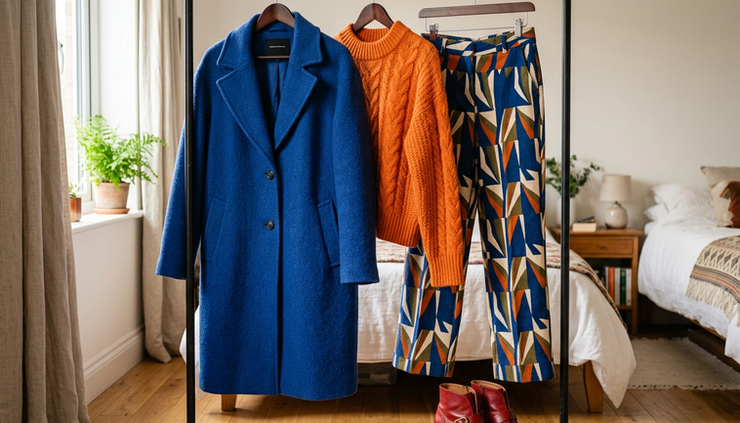

Eye-level view of a colorful outfit displayed on a clothing rack.
A bold look starts with one clear visual idea.

Start with color that matches your energy


Color is usually the fastest way to create a statement look. It catches the eye before cut, texture, or accessories. The right shade can make a simple outfit feel confident, creative, and fresh.


That does not mean every outfit needs five bright colors. Some of the boldest looks come from one strong color used with purpose. A red suit. A lime sweater with dark denim. A pink dress with silver flats. A mustard coat over a cream outfit. Each one sends a clear signal.


Choose a color anchor


A color anchor is the main shade your outfit is built around. It gives the look direction, even when the rest of the pieces are simple.


Strong color anchors include:


  • Cobalt blue

  • Cherry red

  • Emerald green

  • Tangerine

  • Hot pink

  • Sunshine yellow

  • Deep purple

  • Acid green

  • Metallic silver or gold


Once you choose the anchor, let the rest of the outfit support it. If the anchor is a bright blazer, pair it with jeans, a fitted tee, and clean shoes. If the anchor is a neon skirt, try a black sweater and simple earrings. The bold piece gets to lead.


Try color blocking without overthinking it


Color blocking means wearing solid colors next to each other in a clear, graphic way. It can feel bold without relying on prints or complex styling.


A few reliable combinations:


Red and pink

Blue and green

Orange and purple

Yellow and gray

Black and white with one bright color

Warm, expressive, and romantic

Cool, modern, and easy to wear

Artistic and high-impact

Bright but grounded

Sharp and beginner-friendly


If full color blocking feels new, start with accessories. Try a green bag with a blue cardigan, or red shoes with a pink top. Smaller pieces let you test combinations before wearing a full color story.


Use neutrals as a frame


Neutrals are not boring. They create contrast and help bold colors look more deliberate. Black, white, denim, tan, gray, navy, and cream can make bright shades easier to wear.


A bright orange sweater with tan trousers feels warm and relaxed. A purple satin skirt with a white button-front shirt feels crisp. A green mesh top under a black jacket feels edgy without becoming costume-like.


Think of neutrals as the frame around a painting. They do not hide the color. They help it stand out.


Let patterns give your outfit a point of view


Patterns add movement, personality, and surprise. They can make everyday pieces feel original, especially when used in shapes you already like.


If color is the first thing people notice, pattern is often what makes them look twice.


Pick patterns that feel like you


A pattern should match your mood, not just a trend. Someone who loves clean lines might feel best in stripes, checks, or graphic shapes. Someone drawn to romance might prefer florals, swirls, or painterly prints. Someone with an edgy personal style might lean toward animal print, abstract graphics, tartan, or high-contrast motifs.


Common statement patterns include:


  • Wide stripes

  • Checkerboard

  • Leopard or zebra print

  • Oversized florals

  • Plaid

  • Polka dots

  • Abstract shapes

  • Graphic black-and-white prints

  • Patchwork

  • Tie-dye or watercolor effects


The same pattern can feel different depending on the item. Leopard print ballet flats read playful. A leopard print coat reads dramatic. A striped tee feels classic. Striped trousers feel more daring.


Mix patterns with one shared detail


Pattern mixing can look effortless when the prints share something in common. That shared detail might be color, scale, mood, or shape.


Try these pairings:


  • A black-and-white striped top with a black-and-white floral skirt

  • A navy plaid blazer with a blue striped shirt

  • A small polka dot blouse with a large floral scarf

  • A zebra print shoe with a black-and-white checker bag

  • A red tartan skirt with a red graphic tee


The easiest rule is to keep one pattern smaller and one pattern larger. A small stripe can act almost like a neutral, while a large floral or animal print becomes the focus.


Balance busy prints with clean silhouettes


A dramatic print feels more wearable when the shape is simple. A printed slip skirt, straight-leg trouser, boxy jacket, or classic button-front shirt lets the pattern shine.


If the print is very bold, avoid adding too many extra design details. Ruffles, cutouts, fringe, pleats, and embellishment can all work, but they compete for attention. Choose one or two strong elements and let them breathe.


A patterned blazer over a plain tank and trousers can look just as bold as a fully printed outfit. The key is confidence, not quantity.


Use accessories as your signature


Accessories are powerful because they can change the entire mood of an outfit. A white tank and jeans can look minimal with simple sandals, western with a tooled belt, glam with rhinestone earrings, or artsy with a sculptural necklace and bright bag.


This is where statement pieces earn their place. They help you make a fashion statement without replacing your whole wardrobe.


Close-up of colorful rings and bold sunglasses on a patterned scarf.
Accessories can turn simple clothes into a signature look.

Choose one accessory to lead


A bold accessory works best when it has a role. It can add color, texture, shine, shape, or attitude.


Strong options include:


  • Oversized earrings

  • Chunky rings

  • Sculptural cuffs

  • Bright handbags

  • Patterned scarves

  • Wide belts

  • Statement sunglasses

  • Metallic boots

  • Colorful sneakers

  • Hair clips, bows, or wraps

  • Unusual hats


If the outfit already has a lot going on, choose one accessory to lead. A printed dress may only need red earrings. A simple black jumpsuit can handle a silver belt, stacked bracelets, and dramatic shoes.


If the outfit is very plain, accessories can carry the whole look. A white tee, wide-leg jeans, green heels, and large gold hoops can feel intentional and bold.


Use shoes to shift the attitude


Shoes can make an outfit feel softer, sharper, more casual, or more dramatic. The same dress changes completely with sneakers, platform sandals, cowboy boots, combat boots, or pointed flats.


For a standout style, shoes are often the easiest place to experiment because they do not sit right next to the face. That makes bold choices feel less intimidating.


Try these outfit shifts:


Slip dress and chunky boots

Wide-leg jeans and metallic flats

Black trousers and red heels

Midi skirt and colorful sneakers

Simple dress and patterned boots

Romantic with edge

Casual with shine

Classic with drama

Playful and relaxed

Minimal with personality


When in doubt, let your shoes repeat one color from the outfit. A blue print dress with blue heels feels pulled together, even if the shoes are bright.


Build a small accessory wardrobe


A strong accessory wardrobe does not need to be huge. It needs range.


Start with a mix of pieces that serve different moods:


  • One bright bag

  • One metallic shoe

  • One pair of oversized earrings

  • One patterned scarf

  • One belt with presence

  • One pair of statement sunglasses

  • One playful everyday shoe


These pieces can refresh basics and help older clothes feel new. They also give you more ways to express yourself without buying an entire outfit every time your style shifts.


Mix different styles with confidence


The most interesting outfits often come from contrast. A sporty jacket with a silky skirt. A structured blazer with distressed denim. A romantic blouse with leather pants. A vintage cardigan with futuristic sunglasses.


Mixing styles keeps a bold look from feeling flat. It also helps your wardrobe feel more personal because you are not dressing inside one narrow category.


Pair opposites on purpose


Opposites create tension, and tension makes an outfit memorable. The trick is to make the contrast look chosen.


Try these combinations:


  • Feminine and tough Lace blouse, straight-leg jeans, moto boots


  • Sporty and polished Track jacket, tailored trousers, clean sneakers


  • Vintage and modern Retro printed blouse, sleek black skirt, silver jewelry


  • Minimal and dramatic Plain column dress, oversized colored coat


  • Casual and glamorous Graphic tee, satin skirt, chandelier earrings


The look works when each element has space. If every piece fights for attention, edit one thing out. If the outfit feels too safe, add one stronger piece.


Repeat a color, texture, or shape


Repetition makes mixed styles feel connected. This is especially useful when pairing pieces that seem unrelated.


A sporty red jacket and red lipstick create a link. Suede loafers and a suede bag make a mixed outfit feel grounded. Round sunglasses and a round bag echo each other in a subtle way. Silver hardware on boots, jewelry, and a belt can tie together an edgy outfit.


These small connections help the eye understand the outfit. They also make experimentation feel less random.


Use proportions to create impact


Bold style is not only about color and accessories. Shape matters. Oversized, cropped, fitted, long, wide, and structured pieces all change the energy of a look.


A few proportion ideas to try:


  • Oversized blazer with a fitted tank and slim skirt

  • Cropped jacket with high-rise wide-leg pants

  • Long coat with a mini dress and tall boots

  • Voluminous skirt with a simple sleeveless top

  • Baggy jeans with a sharp pointed shoe

  • Boxy sweater with a satin slip skirt


When the proportions feel intentional, even simple colors can make a strong impression. A huge cream sweater over a silver skirt can be just as bold as a rainbow outfit.


Keep comfort in the picture


A statement look should let you move, sit, walk, and live. If a piece constantly needs adjusting, it will steal your confidence. Choose shapes that feel good on your body and match your actual day.


Comfort does not mean plain. It means the outfit supports you. Soft trousers in a bold print, a bright cardigan, platform sneakers, a dramatic coat, or stretchy metallic pants can all feel expressive and wearable.


A look stands out more when the person wearing it looks at ease.


Choose pieces that reflect your personality


Statement dressing becomes powerful when it feels personal. That is the difference between wearing a trend and creating a unique style.


Before buying or styling a bold piece, ask what it says about you. Does it feel playful? Mysterious? Elegant? Rebellious? Warm? Artistic? Calm but strong? The right piece should feel like an extension of something already inside you.


Name your style words


Pick three to five words that describe how you want your outfits to feel. They do not need to fit into fashion categories. They can be moods, places, textures, or attitudes.


Examples:


  • Playful

  • Sleek

  • Romantic

  • Electric

  • Soft

  • Sharp

  • Nostalgic

  • Moody

  • Colorful

  • Sculptural

  • Relaxed

  • Dramatic

  • Earthy

  • Futuristic

  • Artsy


Once you have your words, use them while shopping or getting dressed. If your words are “playful, sharp, and colorful,” a striped knit dress with angular earrings might make sense. If your words are “moody, romantic, and vintage,” a dark floral skirt, lace top, and velvet shoes may feel right.


This gives your clothing choices a filter. It also helps you avoid buying pieces that look exciting but do not feel like you.


Look for emotional pull


A bold piece should make you feel something. Maybe it reminds you of music you love, a city you visited, an artist you admire, or an era that fascinates you. That emotional pull is part of personal style.


Personal style grows through choices that mean something. A turquoise ring from a local market. A jacket you painted by hand. A scarf in your favorite color. A thrifted coat with a strange shape. These details create fashion individuality because no one else will combine them the same way.


Trends can still inspire you. Fashion trends are useful when they give fresh styling ideas. The key is to adapt them to your taste instead of copying the entire look. If oversized belts are trending, choose one in a color, texture, or buckle shape that fits your story. If metallics are everywhere, wear silver boots with your favorite old jeans instead of building a head-to-toe outfit that does not feel natural.


Edit your wardrobe with honesty


A standout wardrobe is not always bigger. Often, it is clearer.


Look through your closet and notice what you actually wear when you want to feel most like yourself. Which colors do you reach for? Which textures make you feel confident? Which silhouettes feel natural? Which compliments matter to you because they match how you see yourself?


Then notice what sits unworn. Some pieces may be too far from your real life. Some may belong to an older version of your style. Some may need a new pairing to feel right.


Ask these questions:


  • Does this piece reflect who I am now?

  • Can I style it at least three ways?

  • Does it make me feel more confident when I wear it?

  • Is it bold in a way I enjoy, or bold in a way that feels forced?

  • What would make this piece easier to wear?


Sometimes the answer is simple. A bright dress needs flat sandals instead of heels. A patterned shirt needs relaxed jeans. A dramatic blazer needs a plain base layer. Styling can rescue pieces that once felt too loud.


Give yourself permission to evolve


Your style does not need to stay fixed. It will change with your taste, lifestyle, body, confidence, and interests. A person who loved all-black outfits for years might suddenly want orange. Someone who dressed softly may crave sharper lines. Someone who wore simple basics may start collecting bold accessories.


That shift is not inconsistency. It is style evolution.


Experiment in small ways if that feels better. Wear the unusual earrings to dinner. Try the bright socks under cropped jeans. Add the patterned shirt under a sweater. Carry the playful bag with an otherwise simple outfit. Each small choice builds confidence.


The more you practice, the easier it becomes to know the difference between discomfort from growth and discomfort from something that truly does not fit you.


Build bold outfits from pieces you already own


A statement look does not require a full shopping trip. Many wardrobes already contain the raw material for creative fashion. The difference comes from styling.


Start with the basics you reach for often, then add one element that changes the whole mood.


A few easy formulas:


  • White tee, denim, bright blazer, bold earrings

  • Black dress, patterned tights, colorful shoes

  • Neutral sweater, printed skirt, sculptural rings

  • Jeans, striped shirt, metallic bag

  • Slip skirt, graphic sweatshirt, platform sneakers

  • Simple jumpsuit, wide belt, oversized sunglasses

  • Monochrome outfit, contrasting coat


These formulas work because they mix the familiar with the unexpected. The base keeps the look grounded. The statement detail creates impact.


Try the one, two, three method


If bold styling feels hard, use this simple method.


One base piece

Choose something comfortable, such as jeans, a black dress, trousers, or a favorite skirt.


Two personality pieces

Add color, pattern, texture, or shine. This might be a bright cardigan and patterned shoes, or a printed blouse and large earrings.


Three finishing details

Adjust the outfit with smaller choices. Roll a sleeve, tuck a shirt, add a belt, choose socks, or switch the bag.


This method keeps the look from feeling accidental. It also gives you space to play.


Take photos for yourself


The mirror gives one view. A quick photo gives another. Use photos as a private styling tool, not as a performance. They help you see proportions, color balance, and whether an outfit reflects the mood you wanted.


Create a small folder of outfits that felt good. Over time, patterns will show up. Maybe you love bold color near your face. Maybe you prefer neutral clothes with wild shoes. Maybe you like oversized shapes more than tight ones. That information becomes style inspiration you created yourself.


Repeat what works without apology


Some people avoid repeating outfits because they think bold style means constant novelty. Repetition can become a signature.


If red shoes always make your outfits feel better, wear them often. If big earrings make you feel polished, make them part of your daily look. If printed pants are your thing, collect different versions. A signature detail is memorable because it repeats.


That repetition helps people recognize your style, but more importantly, it helps you feel at home in your clothes.


FAQ


How do I start dressing boldly if I usually wear neutrals?


Start with one colorful or patterned piece and keep the rest simple. Try a bright bag, printed shoe, bold earring, or colorful jacket over your usual outfit. Small shifts make the change feel natural.


Can statement pieces work for everyday outfits?


Yes. Pair one statement piece with practical basics. A patterned coat, red sneakers, sculptural earrings, or a bright sweater can fit into everyday life when the shape is comfortable and the rest of the outfit feels easy.


How many bold items should I wear at once?


One strong item is enough, especially when you are starting out. As you get more confident, try two or three pieces that share a color, texture, or mood.


What if a trend does not fit my personality?


Skip it or adapt it. A trend should support your personal style, not replace it. Choose the part that works for you, such as a color, silhouette, fabric, or accessory.


How can I make a bold outfit look intentional?


Repeat one detail, such as a color, metal, shape, or texture. Then edit anything that feels distracting. Strong outfits usually have a clear focal point.


Wear the outfit that feels like yours


A bold statement look begins with attention. Notice what colors lift your mood. Notice which patterns feel exciting. Notice the accessories you reach for when you want to feel more like yourself. Those clues matter.


You do not need permission to wear the red coat, the checkerboard pants, the oversized earrings, or the silver boots. You also do not need to become a different person to make a statement. The best outfits reveal more of who you already are.


Open your closet with curiosity. Pair pieces you have never paired before. Let one color lead. Let one accessory change the mood. Let one pattern surprise you. Style becomes more powerful when it feels personal, and the most memorable look is the one you wear with confidence.


Read A Guide to Streetwear Culture and Everyday Fashion for trend origins, wardrobe essentials, and smart tips to create versatile daily outfits. A hoodie used to be weekend gear. Sneakers used to be gym gear. Graphic tees used to be merch. Now those pieces shape runway collections, office-adjacent wardrobes, celebrity airport looks, and the way people dress on a normal Tuesday.


That shift did not happen because one designer decided comfort was cool. It came from sidewalks, skate spots, record stores, basketball courts, surf shops, and neighborhoods where clothing carried identity before it carried status. Streetwear grew from youth culture and turned everyday clothing into a language: oversized fits, bold prints, rare sneakers, vintage references, and pieces that feel personal rather than polished.


This guide explains where the movement came from, how it evolved, which names shaped it, and how to bring the look into daily outfits without feeling like you are wearing a costume.


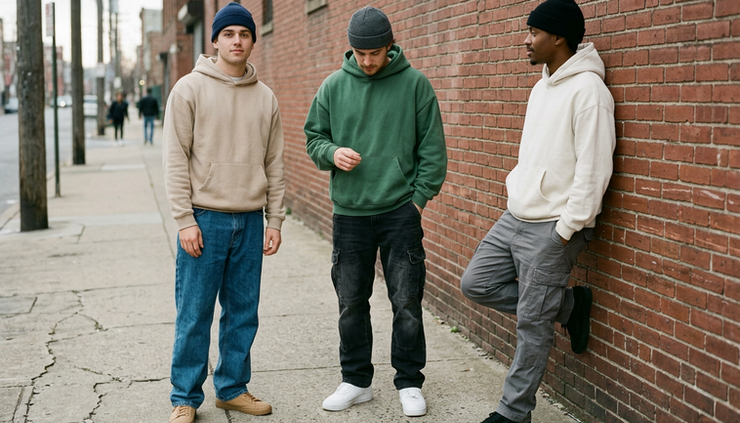
Wide-angle view of a city sidewalk with three people wearing layered hoodies, loose pants, and sneakers.
Street clothing works best when it looks lived-in, not overplanned.

How streetwear started on sidewalks, beaches, and blocks


Streetwear did not begin as a fashion category with seasonal rules. It started as a mix of local scenes.


In Southern California, surf and skate communities shaped the early look. People wanted clothes that could take a beating, move easily, and still say something. T-shirts, durable shorts, work pants, caps, and sneakers made sense because they fit the life around them. Skate culture added abrasion, attitude, and DIY graphics. A scuffed shoe or faded tee was not a flaw. It showed the piece had been used.


On the East Coast, hip hop fashion helped define a different side of the movement. Tracksuits, bomber jackets, gold jewelry, bucket hats, oversized denim, and sneakers became part of a larger visual culture tied to music, dance, graffiti, and neighborhood pride. Artists dressed with presence. Fans followed because the clothes felt connected to sound, place, and attitude.


The early appeal was simple: the clothes were wearable, expressive, and close to real life. They did not ask people to dress like someone else. They gave people tools to show where they came from, what music they loved, what subcultures they followed, and how they moved through the city.


The T-shirt became a billboard for identity


The graphic tee is one of the most important pieces in the story. It turned a basic cotton shirt into wearable art. Skate shops printed local graphics. Bands sold shirts at shows. Hip hop artists used merch to mark a moment. Brands used illustrations, photos, slogans, and parody to create instant recognition.


A strong tee could do several things at once:


  • Show a music influence

  • Reference a city, crew, or subculture

  • Add humor or irony

  • Bring art into daily clothing

  • Make a simple outfit feel intentional


That is why graphic tees still anchor so many cool outfits. A tee, relaxed pants, and stylish sneakers can say more than a heavily styled look.


Sneakers made the ground part of the outfit


Sneakers started as athletic footwear, but basketball, running, tennis, and skate shoes all crossed into daily dress. The reason is not hard to understand. They were comfortable, visible, collectible, and tied to athletes, musicians, and local scenes.


Sneakers also changed how people thought about value. A limited shoe could feel as important as a jacket. Colorways, materials, collaborations, and release stories turned footwear into a fashion statement. In many outfits, the sneakers are the first thing people notice.


This changed casual wear across the country. Jeans and sneakers became normal almost everywhere. Hoodies and sneakers became acceptable far beyond the skate park or the court. The line between sportswear and fashion kept getting thinner.


How the movement evolved through each era


Streetwear has never stayed still. It keeps borrowing, remixing, and reacting. Each era added something that still shows up in modern street fashion.


The 1980s brought surf graphics, hip hop style, and early sneaker culture


The 1980s gave the movement a clear visual foundation. Surf-inspired graphics and scribbled logos helped create the idea of a streetwear brand built around attitude as much as clothing. Shawn Stussy is widely credited as one of the early figures who helped turn surf style into a broader cultural uniform.


At the same time, hip hop became a powerful style engine. The clothing was bold, visible, and full of personality. Tracksuits, shell toes, varsity jackets, leather bombers, bucket hats, and logo-heavy pieces all helped define the look.


Sneaker culture also grew during this period, especially through basketball. Shoes became tied to performance, aspiration, and personal taste. They were not just what someone wore with an outfit. They were the outfit’s emotional center.


The 1990s made the fit bigger and the attitude sharper


The 1990s pushed silhouettes wider. Oversized clothing became one of the most recognizable parts of the look. Baggy jeans, roomy jackets, heavyweight hoodies, and loose tees reflected music videos, skate videos, school hallways, and city streets.


Brands such as FUBU, Cross Colours, Karl Kani, and Ecko helped define an era when urban fashion felt closely linked to hip hop, community ownership, and visibility. Meanwhile, Supreme opened in New York in 1994 and built a shop culture around skating, scarcity, graphic drops, and downtown cool.


Vintage streetwear from this era still matters because it carries texture. Faded cotton, boxy cuts, old graphics, washed denim, and worn-in sneakers feel different from fresh mall basics. They bring history into an outfit.


The 2000s connected Japan, collectors, and internet hype


The 2000s expanded the map. Japanese labels and tastemakers played a huge role in making street style more detail-driven and collectible. Nigo’s A Bathing Ape, founded in the 1990s, became globally known for camo patterns, shark hoodies, and limited drops. Hiroshi Fujiwara helped shape the language of collaboration through music, design, and street culture connections. Jun Takahashi’s Undercover blended punk, street elements, and high fashion in ways that still influence designer streetwear.


This era made scarcity a bigger part of the experience. Limited releases, campouts, forum culture, and early resale markets turned clothing drops into events. People did not just buy garments. They followed stories, release dates, and communities.


The 2010s brought luxury fashion into the conversation


The 2010s made the connection between streetwear and luxury impossible to ignore. Virgil Abloh’s Off-White, founded in 2012, became one of the clearest examples of how street codes could sit inside high-end fashion. Abloh used quotation marks, industrial details, conceptual graphics, and accessible references to speak to a generation raised on music, sneakers, and the internet.


Luxury houses also absorbed the energy. Hoodies, sneakers, crossbody bags, puffers, and oversized shapes moved onto major runways. Designers such as Kim Jones helped make collaboration feel central to modern fashion rather than secondary to it.


Fashion influencers, musicians, athletes, and stylists sped up the cycle. A fit could move from a niche community to a global reference almost overnight. The look became less tied to one city and more tied to a shared visual language.


The 2020s made comfort, sustainability, and personal styling matter more


The 2020s pushed comfort even further into everyday dressing. Fashionable hoodies, wider pants, fleece, technical jackets, and refined sneakers became basic wardrobe pieces for people who may not follow drops or resale markets at all.


At the same time, people started caring more about sourcing and longevity. Eco-friendly streetwear, upcycled pieces, thrifted finds, and small-batch labels now sit beside big-name brands. The best outfits often mix old and new: a thrifted jacket, a clean hoodie, vintage denim, and a pair of current sneakers.


Today, the culture feels more open. It includes outdoor streetwear, gorpcore details, workwear, unisex fashion, bold prints, minimalist basics, and artistic designs. The strongest looks do not copy one era. They connect comfort, identity, and proportion.


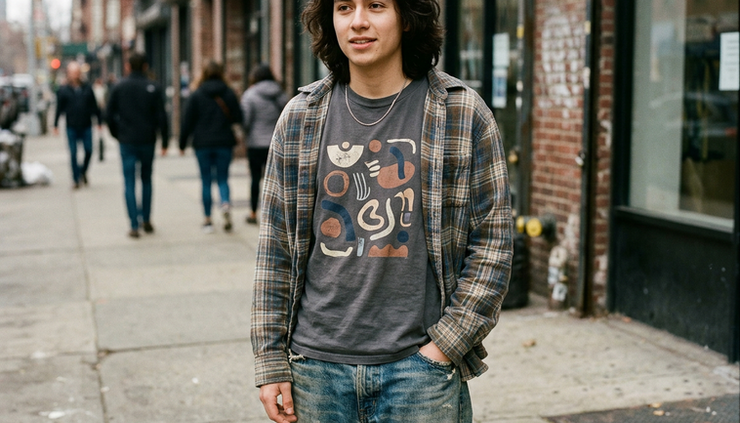
Close-up view of a worn graphic T-shirt layered under an open flannel with loose denim.
A great graphic tee can carry a whole outfit without trying too hard.

The brands and designers that shaped the scene


Streetwear has always grown through people who understood culture before trend. The names below did more than sell clothes. They built visual codes that others still reference.


Brand or designer

What they helped define

Why it still matters

Shawn Stussy and Stüssy

Surf graphics, hand-drawn identity, global street attitude

Showed how a local look could become a worldwide uniform

James Jebbia and Supreme

Skate shop energy, limited drops, graphic power

Helped create the modern drop model and collectible culture

Nigo and A Bathing Ape

Japanese street collecting, camo, playful graphics

Made scarcity, character graphics, and street luxury feel global

FUBU

Community-led hip hop apparel

Proved that ownership and cultural connection could drive style

Karl Kani

Baggy denim, hip hop tailoring, bold branding

Helped shape the silhouette of 1990s rap fashion

Cross Colours

Color, social messaging, youth identity

Connected clothing with culture and message

Hiroshi Fujiwara

Collaboration culture, music influence, quiet taste

Set the tone for how brands, artists, and designers could meet

Jun Takahashi and Undercover

Punk, art, and street references

Blurred the line between subculture and runway design

Virgil Abloh and Off-White

Conceptual graphics, luxury street codes, cultural fluency

Made street references central to high fashion conversations

Palace

Skate humor, British references, bold graphics

Brought a playful, video-driven skate feel to global fashion


This list is not complete, and that is part of the point. The culture has many centers. New York, Los Angeles, Tokyo, London, Paris, Atlanta, Chicago, Seoul, and countless other places all shaped the wider conversation.


The best brands sell a worldview


A strong streetwear brand rarely depends on clothing alone. It builds a feeling. The store, music, graphics, community, photography, fit, and release rhythm all matter.


That is why some simple pieces become memorable. A blank hoodie can be fine. A hoodie connected to the right scene, cut, color, moment, and styling can feel essential.


The strongest labels understand three things:


  • Context matters

    Clothes feel different when they connect to music, sport, art, or local culture.


  • Fit carries the message

    A boxy tee, cropped jacket, or wide pant can change the whole mood.


  • Scarcity can create desire

    Limited releases build excitement, but longevity comes from quality and taste.


Collaborations changed everything


Collaborations helped the movement grow because they joined different audiences. Sneaker brands worked with artists. Skate labels worked with luxury houses. Outdoor companies worked with fashion designers. Musicians worked with sportswear brands.


The best collaborations feel natural. They do not just place two names on one product. They combine codes in a way that makes sense. A skate shoe with better materials. A technical jacket with a sharper silhouette. A hoodie that uses art, music, or local references in a fresh way.


The weaker ones feel like pure hype. They may sell fast, but they rarely age well.


Why streetwear changed everyday fashion


The biggest impact is not limited-edition sneakers or expensive hoodies. The bigger change is the way people now think about getting dressed.


Streetwear made comfort stylish. It gave casual pieces cultural weight. It made sneakers appropriate with more outfits. It made a hoodie something you could style, not just throw on. It made loose fits look intentional. It gave people permission to mix high and low, old and new, polished and worn-in.


Before this shift, many wardrobes separated “real clothes” from weekend clothes. Now the best daily outfits often come from that middle space.


A clean example:


Before

After

Slim jeans, plain top, casual sneakers, basic jacket

Relaxed denim, heavyweight tee, structured hoodie, statement sneakers, crossbody bag


The second version is not necessarily louder. It just has more shape, texture, and point of view.


The silhouette became more relaxed


One of the clearest changes is proportion. Oversized clothing moved from subculture to mainstream wardrobes. Wide-leg pants, slouchy denim, cropped bombers, boxy tees, and roomy hoodies now feel normal.


A relaxed silhouette does not mean everything needs to be huge. The best looks balance volume. If the hoodie is oversized, the pants can be straight or wide but clean. If the pants are very baggy, a shorter jacket can keep the outfit from feeling sloppy.


Sneakers became the default anchor


Stylish sneakers now work with jeans, cargos, skirts, dresses, tailored trousers, and utility pants. They make outfits feel grounded and current.


The trick is choosing the right sneaker for the outfit:


  • Low-profile sneakers work with cleaner, minimal looks.

  • Chunky sneakers work with wider pants and sporty layers.

  • Skate shoes work with denim, cargos, and graphic tees.

  • Retro runners work with technical jackets and outdoor layers.

  • Basketball-inspired sneakers work with straight denim and oversized tops.


Accessories became part of the language


Streetwear accessories often add function first. Caps, beanies, crossbody bags, nylon shoulder bags, socks, belts, and simple jewelry make outfits feel complete without looking overdone.


A beanie can soften a strong jacket. A cap can make a cleaner outfit feel more relaxed. A crossbody bag can add shape to a hoodie and cargo pants. Socks can connect sneaker colors to the rest of the fit.


Graphics changed how people use clothing


Streetwear graphics made clothing feel closer to posters, album covers, zines, and public art. A shirt could be funny, political, nostalgic, abstract, or emotional. That opened the door for clothing as wearable art, not just decoration.


This is why edgy clothing can still feel thoughtful when it has a clear reference. A graphic tee under a canvas jacket reads differently than a random loud print. The styling gives the piece room to speak.


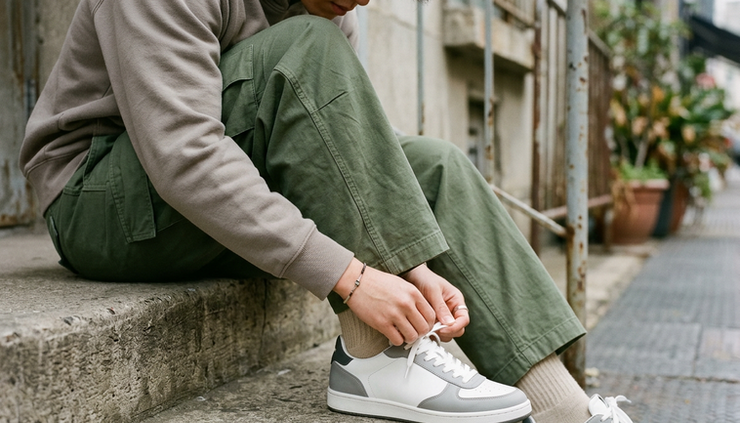
Eye-level view of a person tying clean sneakers beside wide cargo pants on a concrete step.
Sneakers often set the tone before the rest of the outfit is noticed.

How to wear streetwear in daily outfits


The easiest way to wear the look is to stop treating it like a costume. Start with one or two elements, then build around them. The goal is balance: comfort, proportion, texture, and a clear focal point.


Start with one statement piece


Choose one item that carries the outfit. It could be a graphic tee, bold sneakers, a varsity jacket, a patterned fleece, or wide cargo pants.


Then keep the other pieces quieter.


For example:


  • Graphic tee with straight jeans, simple sneakers, and a plain overshirt

  • Statement sneakers with washed denim, a white tee, and a neutral hoodie

  • Patterned jacket with black pants, a blank tee, and low-profile shoes

  • Wide cargo pants with a fitted ribbed tank or boxy cropped tee


This keeps the outfit stylish without turning every piece into competition.


Use proportion like styling glue


Proportion matters more than hype. A great fit can make affordable pieces look sharp, while a poor fit can make expensive pieces look awkward.


Try these combinations:


  • Boxy tee with straight-leg denim

  • Oversized hoodie with clean wide pants

  • Cropped jacket with loose trousers

  • Longline coat with sneakers and a hoodie

  • Fitted base layer with baggier outerwear


If an outfit feels off, check the lengths. A hoodie that hits too low can fight with baggy pants. A jacket that ends near the waist can fix that fast.


Mix textures so simple pieces feel richer


Streetwear outfits often use basic shapes, so texture matters. Cotton, fleece, denim, nylon, canvas, leather, suede, mesh, and ripstop all bring different energy.


A simple fall outfit might include:


  • Heavyweight hoodie

  • Washed denim

  • Suede sneakers

  • Nylon crossbody bag

  • Beanie or cap


Nothing there needs to be loud. The textures do the work.


Keep color tight when the fit is bold


If you are experimenting with wider pants, oversized layers, or bold prints, limit the palette. Neutrals make new shapes easier to wear.


Good starter palettes include:


  • Black, gray, white, and silver

  • Navy, cream, denim, and white

  • Olive, tan, black, and gum sole

  • Brown, washed black, cream, and burgundy

  • Charcoal, faded blue, white, and forest green


Once the silhouette feels natural, add louder colors.


Build around sneakers instead of saving them for last


Many people choose shoes after the outfit. With street style, it often works better to start from the footwear.


Ask three quick questions:


  • Are the sneakers slim or chunky?

  • Are they clean or worn-in?

  • Are they neutral or colorful?


Then match the rest of the outfit to that mood. Chunky shoes usually need pants with more width. Slim sneakers can handle cleaner trousers. Colorful shoes work best when one color repeats somewhere else, such as a cap, sock, graphic, or jacket detail.


Add vintage without looking dated


Vintage pieces add character, but too many retro references can make an outfit feel like a costume. Use one older piece and style it with current shapes.


Try:


  • Vintage racing jacket with plain wide pants

  • Old band tee with clean denim and fresh sneakers

  • Thrifted flannel with a modern hoodie and cargos

  • Worn denim jacket with technical pants and runners


The mix matters. Vintage streetwear works best when it feels collected, not copied.


Make it wearable for different parts of the day


A daily outfit needs to work outside a photo. Think about weather, movement, and comfort.


For warm weather:


  • Boxy tee

  • Nylon shorts

  • Crew socks

  • Skate shoes or runners

  • Cap and small bag


For cooler weather:


  • Hoodie

  • Canvas jacket or puffer

  • Wide jeans or cargos

  • Sneakers with grip

  • Beanie


For a cleaner casual setting:


  • Plain heavyweight tee

  • Relaxed trousers

  • Minimal sneakers

  • Zip hoodie or overshirt

  • Simple watch or chain


This is where trendy apparel becomes practical. The pieces look current, but they still make sense for real life.


Trends worth watching now


Streetwear trends move fast, but some have enough flexibility to last beyond one season. These are worth paying attention to because they can blend into everyday wardrobes.


Technical outerwear keeps growing


Outdoor-inspired details are everywhere: shell jackets, fleece, trail sneakers, cargo pockets, zip-off layers, and water-resistant fabrics. This style works because it is useful. It also pairs well with denim, sweats, and wide trousers.


The key is restraint. One technical piece is usually enough. A shell jacket with jeans and sneakers looks easy. Full trail gear can feel too literal unless that is the point.


Quiet basics are replacing logo overload


Logos still matter, but many strong outfits now lean on shape and fabric instead. Blank hoodies, heavy tees, washed sweats, and relaxed pants feel more mature while still staying casual.


This shift rewards better cuts. A plain hoodie with the right weight, shoulder shape, and hood structure can look better than a louder piece with a weak fit.


Genderless styling feels natural


The movement has always borrowed across categories. Oversized tees, cargos, hoodies, varsity jackets, and sneakers work across many bodies and style preferences. That is why unisex fashion fits so comfortably here.


The focus is less on labels and more on proportion. A piece works if the shape, color, and styling feel right.


Personal graphics are getting stronger


People still love big visuals, but the best graphics feel specific. Local artists, small labels, music references, abstract prints, and hand-drawn artwork create more personal outfits than generic slogans.


If a graphic connects to something real, it ages better.


Resale and repair are part of the culture


Thrifting, repairs, and resale fit naturally into the scene because worn clothing has always had value. A faded tee, patched jacket, or repaired pair of jeans can feel more interesting than something perfect.


The same idea supports more mindful shopping. Buy fewer pieces with better fit, stronger fabric, and more styling range.


Low-angle view of a rack with neutral hoodies, utility jackets, and wide pants at an outdoor market stall.
Secondhand finds and timeless basics can make a wardrobe feel more personal.

Frequently Asked Questions


What is the difference between streetwear and regular casual clothing?


Regular casual clothing focuses on comfort and ease. Streetwear adds cultural references, stronger silhouettes, sneakers, graphics, scarcity, or styling choices linked to music, skating, sport, art, and youth culture.


Can streetwear look polished?


Yes. Use cleaner colors, better fabrics, and balanced proportions. A heavyweight tee, relaxed trousers, minimal sneakers, and a structured jacket can look polished while staying casual.


Do I need expensive brands to dress this way?


No. Fit, proportion, and styling matter more than price. Thrifted pieces, blank basics, vintage tees, and affordable sneakers can look great when the outfit feels balanced.


What is the easiest first piece to buy?


Start with a heavyweight hoodie, a boxy tee, or a versatile pair of sneakers. These pieces work with jeans, cargos, shorts, and jackets, so they are easy to wear often.


How do I avoid looking like I am trying too hard?


Limit the outfit to one main statement piece. Keep the rest simple, watch the fit, and choose clothes that match your daily life. Confidence comes from comfort as much as style.


The takeaway for building better everyday outfits


Streetwear became powerful because it made real clothes feel expressive. It took hoodies, tees, sneakers, denim, and jackets, then loaded them with music, sport, art, community, and attitude.


The best way to wear it now is not to chase every drop. Build a wardrobe with pieces that work hard: a great hoodie, a few strong tees, relaxed pants, sneakers you actually wear, one or two standout jackets, and accessories that add shape. Mix new with vintage. Balance volume with cleaner lines. Let one piece speak louder than the rest.


When the outfit feels comfortable, personal, and intentional, the culture’s influence is already there.


Explore the 5 Must-Have Colorful Pop Fashion Tees for Summer and elevate your look! Discover trendsetting styles that brighten your wardrobe now.


Summer is here, and it's time to brighten up your wardrobe with vibrant, playful tees! The season offers endless opportunities to showcase your personality, whether you're attending a lively music festival, lounging on the beach, or catching up with friends over a picnic. Colorful pop fashion tees not only add a splash of color to your outfit but also keep you cool and comfortable during those warm summer days. This guide highlights five trendy tees that can elevate your summer style.

Stay cool and stylish with the 5 Must-Have Colorful Pop Fashion Tees for Summer. Check out our top picks for bold, bright looks this season!
Upgrade your summer style with these 5 Must-Have Colorful Pop Fashion Tees for Summer. Find vibrant, trendy tees perfect for the season!

Understanding Colorful Pop Fashion


Colorful pop fashion embraces bright hues, bold designs, and individual expression. These tees let you experiment with patterns and graphics, perfectly reflecting summer vibes. For instance, during last year's fashion season, surveys indicated that 70% of consumers preferred clothing with bright colors to express positivity. With the right tee, you can easily craft a standout outfit that feels effortless yet dramatic.


1. Statement Rainbow Lips T-Shirt


The Statement Rainbow Lips T-Shirt is a show-stopper that brings artistic flair to your summer outfits.

Statement Rainbow Lips T-Shirt – Colorful Pop Fashion Tee
Buy Now


Crafted from 100% cotton, this tee is soft and breathable, ideal for hot weather. The eye-catching graphic of rainbow lips adds a fun twist, making it perfect for those sunny days and warm nights out.


With sizes from S to 4XL, it’s inclusive for different body types. Pair it with classic denim shorts and some bright sneakers for a casual yet stylish look!


2. Funky Tie-Dye Tee


Nothing screams summer like the playful and carefree look of a Funky Tie-Dye Tee.


Each tee features vibrant swirling colors that are unique to that piece. Made from a lightweight cotton blend, it offers breathability for those hot summer events, such as barbecues or music festivals.


Wearing this tee with high-waisted shorts and cute flip-flops will ensure you turn heads wherever you go!


3. Artistic Graphic Tee


The Artistic Graphic Tee combines art with fashion seamlessly.


Typically featuring striking designs—from whimsical illustrations to nature-inspired imagery—these tees promote creativity. Ideal for artists and dreamers alike, they stimulate conversations that can lead to new friendships.


You can style it with jeans for casual outings or layer it under a lightweight jacket for cooler summer nights, allowing for versatility in your wardrobe.


4. Festival-Inspired Bohemian Tee


Catch the essence of summer festivals with a Festival-Inspired Bohemian Tee.


This tee often features patterns that merge vibrant colors with relaxed aesthetics, making it perfect for late-night dancing or laid-back lounging.


Lightweight fabric and unique details like fringes make it a standout piece. Pair it with a flowy skirt or shorts to capture that boho vibe effortlessly.


5. Trendsetting Color Block Tee


The Trendsetting Color Block Tee introduces a modern touch with its bold geometric patterns.


This specific tee skillfully combines contrasting colors that create a chic look. Perfect for a casual brunch or slightly dressier gatherings, it keeps you comfortable without losing style.


Style it with high-waisted jeans or tailored shorts to express your stylish taste confidently.


How to Style Your Colorful Tees


Selecting these colorful tees is just one part of the equation; styling them is equally important. Here are some effective tips to elevate your look:


  • Layering: Use vibrant tees as a base and add cardigans, denim jackets, or lightweight kimonos for added style.

  • Color Coordination: Pair colorful tees with neutral bottoms or complementary colors to balance your outfit and avoid clashing.


Mixing and matching these elements can turn a simple tee into a fashionable statement piece that captures attention.


Focusing on Comfort


Comfort is key during the summer months. The lightweight materials used in colorful pop fashion tees ensure breathability and ease of movement, allowing you to feel great as temperatures rise. Notably, 90% of survey participants stated that comfortable clothing affects their mood positively. The highlighted tees blend style and comfort, making you look chic while enjoying relaxation.


Sustainable Fashion Choices


As you refresh your summer wardrobe, think about brands that focus on sustainability. Many colorful tees use eco-friendly materials or adopt on-demand production to reduce waste. You can look fantastic while feeling great about supporting a healthier planet.


Wrapping It Up


Incorporating colorful pop fashion tees into your summer wardrobe is a practical and eye-catching way to embrace the sunny season. From the expressive Statement Rainbow Lips T-Shirt to the carefree Funky Tie-Dye Tee, there’s something for everyone!


By styling these vibrant pieces effectively and gravitating towards sustainable options, you can stand out while keeping cool this summer. So, step out confidently, embrace your unique style, and let your colorful tees be the highlight of your summer adventures! Whether you're at a concert, beach gathering, or an outdoor event, these trendy tees can elevate your look and leave a lasting impression.


bottom of page