A Guide to Streetwear Culture and Everyday Fashion

Read A Guide to Streetwear Culture and Everyday Fashion for trend origins, wardrobe essentials, and smart tips to create versatile daily outfits. A hoodie used to be weekend gear. Sneakers used to be gym gear. Graphic tees used to be merch. Now those pieces shape runway collections, office-adjacent wardrobes, celebrity airport looks, and the way people dress on a normal Tuesday.
That shift did not happen because one designer decided comfort was cool. It came from sidewalks, skate spots, record stores, basketball courts, surf shops, and neighborhoods where clothing carried identity before it carried status. Streetwear grew from youth culture and turned everyday clothing into a language: oversized fits, bold prints, rare sneakers, vintage references, and pieces that feel personal rather than polished.
This guide explains where the movement came from, how it evolved, which names shaped it, and how to bring the look into daily outfits without feeling like you are wearing a costume.
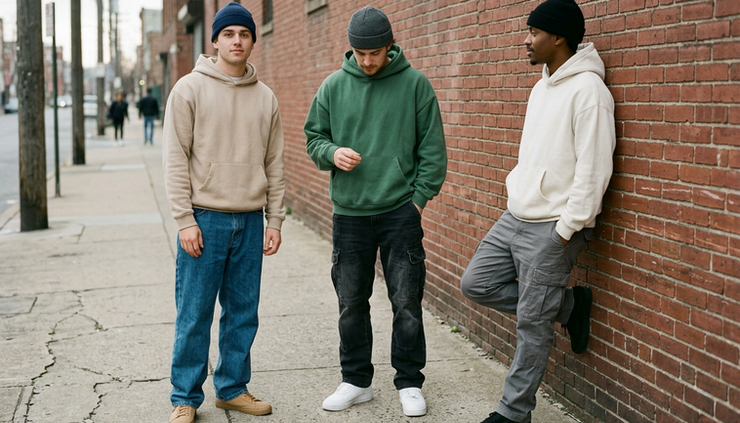
How streetwear started on sidewalks, beaches, and blocks
Streetwear did not begin as a fashion category with seasonal rules. It started as a mix of local scenes.
In Southern California, surf and skate communities shaped the early look. People wanted clothes that could take a beating, move easily, and still say something. T-shirts, durable shorts, work pants, caps, and sneakers made sense because they fit the life around them. Skate culture added abrasion, attitude, and DIY graphics. A scuffed shoe or faded tee was not a flaw. It showed the piece had been used.
On the East Coast, hip hop fashion helped define a different side of the movement. Tracksuits, bomber jackets, gold jewelry, bucket hats, oversized denim, and sneakers became part of a larger visual culture tied to music, dance, graffiti, and neighborhood pride. Artists dressed with presence. Fans followed because the clothes felt connected to sound, place, and attitude.
The early appeal was simple: the clothes were wearable, expressive, and close to real life. They did not ask people to dress like someone else. They gave people tools to show where they came from, what music they loved, what subcultures they followed, and how they moved through the city.
The T-shirt became a billboard for identity
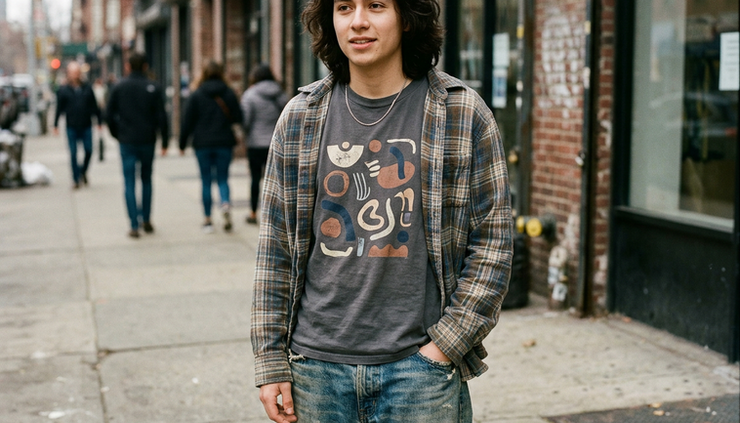
The graphic tee is one of the most important pieces in the story. It turned a basic cotton shirt into wearable art. Skate shops printed local graphics. Bands sold shirts at shows. Hip hop artists used merch to mark a moment. Brands used illustrations, photos, slogans, and parody to create instant recognition.
A strong tee could do several things at once:
Show a music influence
Reference a city, crew, or subculture
Add humor or irony
Bring art into daily clothing
Make a simple outfit feel intentional
That is why graphic tees still anchor so many cool outfits. A tee, relaxed pants, and stylish sneakers can say more than a heavily styled look.
Sneakers made the ground part of the outfit
Sneakers started as athletic footwear, but basketball, running, tennis, and skate shoes all crossed into daily dress. The reason is not hard to understand. They were comfortable, visible, collectible, and tied to athletes, musicians, and local scenes.
Sneakers also changed how people thought about value. A limited shoe could feel as important as a jacket. Colorways, materials, collaborations, and release stories turned footwear into a fashion statement. In many outfits, the sneakers are the first thing people notice.
This changed casual wear across the country. Jeans and sneakers became normal almost everywhere. Hoodies and sneakers became acceptable far beyond the skate park or the court. The line between sportswear and fashion kept getting thinner.
How the movement evolved through each era
Streetwear has never stayed still. It keeps borrowing, remixing, and reacting. Each era added something that still shows up in modern street fashion.
The 1980s brought surf graphics, hip hop style, and early sneaker culture
The 1980s gave the movement a clear visual foundation. Surf-inspired graphics and scribbled logos helped create the idea of a streetwear brand built around attitude as much as clothing. Shawn Stussy is widely credited as one of the early figures who helped turn surf style into a broader cultural uniform.
At the same time, hip hop became a powerful style engine. The clothing was bold, visible, and full of personality. Tracksuits, shell toes, varsity jackets, leather bombers, bucket hats, and logo-heavy pieces all helped define the look.
Sneaker culture also grew during this period, especially through basketball. Shoes became tied to performance, aspiration, and personal taste. They were not just what someone wore with an outfit. They were the outfit’s emotional center.
The 1990s made the fit bigger and the attitude sharper
The 1990s pushed silhouettes wider. Oversized clothing became one of the most recognizable parts of the look. Baggy jeans, roomy jackets, heavyweight hoodies, and loose tees reflected music videos, skate videos, school hallways, and city streets.
Brands such as FUBU, Cross Colours, Karl Kani, and Ecko helped define an era when urban fashion felt closely linked to hip hop, community ownership, and visibility. Meanwhile, Supreme opened in New York in 1994 and built a shop culture around skating, scarcity, graphic drops, and downtown cool.
Vintage streetwear from this era still matters because it carries texture. Faded cotton, boxy cuts, old graphics, washed denim, and worn-in sneakers feel different from fresh mall basics. They bring history into an outfit.
The 2000s connected Japan, collectors, and internet hype
The 2000s expanded the map. Japanese labels and tastemakers played a huge role in making street style more detail-driven and collectible. Nigo’s A Bathing Ape, founded in the 1990s, became globally known for camo patterns, shark hoodies, and limited drops. Hiroshi Fujiwara helped shape the language of collaboration through music, design, and street culture connections. Jun Takahashi’s Undercover blended punk, street elements, and high fashion in ways that still influence designer streetwear.
This era made scarcity a bigger part of the experience. Limited releases, campouts, forum culture, and early resale markets turned clothing drops into events. People did not just buy garments. They followed stories, release dates, and communities.
The 2010s brought luxury fashion into the conversation
The 2010s made the connection between streetwear and luxury impossible to ignore. Virgil Abloh’s Off-White, founded in 2012, became one of the clearest examples of how street codes could sit inside high-end fashion. Abloh used quotation marks, industrial details, conceptual graphics, and accessible references to speak to a generation raised on music, sneakers, and the internet.
Luxury houses also absorbed the energy. Hoodies, sneakers, crossbody bags, puffers, and oversized shapes moved onto major runways. Designers such as Kim Jones helped make collaboration feel central to modern fashion rather than secondary to it.
Fashion influencers, musicians, athletes, and stylists sped up the cycle. A fit could move from a niche community to a global reference almost overnight. The look became less tied to one city and more tied to a shared visual language.
The 2020s made comfort, sustainability, and personal styling matter more
The 2020s pushed comfort even further into everyday dressing. Fashionable hoodies, wider pants, fleece, technical jackets, and refined sneakers became basic wardrobe pieces for people who may not follow drops or resale markets at all.
At the same time, people started caring more about sourcing and longevity. Eco-friendly streetwear, upcycled pieces, thrifted finds, and small-batch labels now sit beside big-name brands. The best outfits often mix old and new: a thrifted jacket, a clean hoodie, vintage denim, and a pair of current sneakers.
Today, the culture feels more open. It includes outdoor streetwear, gorpcore details, workwear, unisex fashion, bold prints, minimalist basics, and artistic designs. The strongest looks do not copy one era. They connect comfort, identity, and proportion.
The brands and designers that shaped the scene
Streetwear has always grown through people who understood culture before trend. The names below did more than sell clothes. They built visual codes that others still reference.
Brand or designer | What they helped define | Why it still matters |
Shawn Stussy and Stüssy | Surf graphics, hand-drawn identity, global street attitude | Showed how a local look could become a worldwide uniform |
James Jebbia and Supreme | Skate shop energy, limited drops, graphic power | Helped create the modern drop model and collectible culture |
Nigo and A Bathing Ape | Japanese street collecting, camo, playful graphics | Made scarcity, character graphics, and street luxury feel global |
FUBU | Community-led hip hop apparel | Proved that ownership and cultural connection could drive style |
Karl Kani | Baggy denim, hip hop tailoring, bold branding | Helped shape the silhouette of 1990s rap fashion |
Cross Colours | Color, social messaging, youth identity | Connected clothing with culture and message |
Hiroshi Fujiwara | Collaboration culture, music influence, quiet taste | Set the tone for how brands, artists, and designers could meet |
Jun Takahashi and Undercover | Punk, art, and street references | Blurred the line between subculture and runway design |
Virgil Abloh and Off-White | Conceptual graphics, luxury street codes, cultural fluency | Made street references central to high fashion conversations |
Palace | Skate humor, British references, bold graphics | Brought a playful, video-driven skate feel to global fashion |
This list is not complete, and that is part of the point. The culture has many centers. New York, Los Angeles, Tokyo, London, Paris, Atlanta, Chicago, Seoul, and countless other places all shaped the wider conversation.
The best brands sell a worldview
A strong streetwear brand rarely depends on clothing alone. It builds a feeling. The store, music, graphics, community, photography, fit, and release rhythm all matter.
That is why some simple pieces become memorable. A blank hoodie can be fine. A hoodie connected to the right scene, cut, color, moment, and styling can feel essential.
The strongest labels understand three things:
Context matters
Clothes feel different when they connect to music, sport, art, or local culture.
Fit carries the message
A boxy tee, cropped jacket, or wide pant can change the whole mood.
Scarcity can create desire
Limited releases build excitement, but longevity comes from quality and taste.
Collaborations changed everything
Collaborations helped the movement grow because they joined different audiences. Sneaker brands worked with artists. Skate labels worked with luxury houses. Outdoor companies worked with fashion designers. Musicians worked with sportswear brands.
The best collaborations feel natural. They do not just place two names on one product. They combine codes in a way that makes sense. A skate shoe with better materials. A technical jacket with a sharper silhouette. A hoodie that uses art, music, or local references in a fresh way.
The weaker ones feel like pure hype. They may sell fast, but they rarely age well.
Why streetwear changed everyday fashion
The biggest impact is not limited-edition sneakers or expensive hoodies. The bigger change is the way people now think about getting dressed.
Streetwear made comfort stylish. It gave casual pieces cultural weight. It made sneakers appropriate with more outfits. It made a hoodie something you could style, not just throw on. It made loose fits look intentional. It gave people permission to mix high and low, old and new, polished and worn-in.
Before this shift, many wardrobes separated “real clothes” from weekend clothes. Now the best daily outfits often come from that middle space.
A clean example:
Before
After
Slim jeans, plain top, casual sneakers, basic jacket
Relaxed denim, heavyweight tee, structured hoodie, statement sneakers, crossbody bag
The second version is not necessarily louder. It just has more shape, texture, and point of view.
The silhouette became more relaxed
One of the clearest changes is proportion. Oversized clothing moved from subculture to mainstream wardrobes. Wide-leg pants, slouchy denim, cropped bombers, boxy tees, and roomy hoodies now feel normal.
A relaxed silhouette does not mean everything needs to be huge. The best looks balance volume. If the hoodie is oversized, the pants can be straight or wide but clean. If the pants are very baggy, a shorter jacket can keep the outfit from feeling sloppy.
Sneakers became the default anchor
Stylish sneakers now work with jeans, cargos, skirts, dresses, tailored trousers, and utility pants. They make outfits feel grounded and current.
The trick is choosing the right sneaker for the outfit:
Low-profile sneakers work with cleaner, minimal looks.
Chunky sneakers work with wider pants and sporty layers.
Skate shoes work with denim, cargos, and graphic tees.
Retro runners work with technical jackets and outdoor layers.
Basketball-inspired sneakers work with straight denim and oversized tops.
Accessories became part of the language
Streetwear accessories often add function first. Caps, beanies, crossbody bags, nylon shoulder bags, socks, belts, and simple jewelry make outfits feel complete without looking overdone.
A beanie can soften a strong jacket. A cap can make a cleaner outfit feel more relaxed. A crossbody bag can add shape to a hoodie and cargo pants. Socks can connect sneaker colors to the rest of the fit.
Graphics changed how people use clothing
Streetwear graphics made clothing feel closer to posters, album covers, zines, and public art. A shirt could be funny, political, nostalgic, abstract, or emotional. That opened the door for clothing as wearable art, not just decoration.
This is why edgy clothing can still feel thoughtful when it has a clear reference. A graphic tee under a canvas jacket reads differently than a random loud print. The styling gives the piece room to speak.
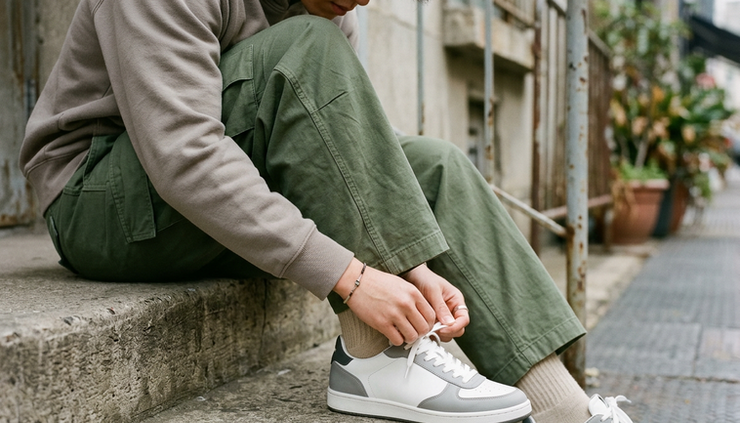
How to wear streetwear in daily outfits
The easiest way to wear the look is to stop treating it like a costume. Start with one or two elements, then build around them. The goal is balance: comfort, proportion, texture, and a clear focal point.
Start with one statement piece
Choose one item that carries the outfit. It could be a graphic tee, bold sneakers, a varsity jacket, a patterned fleece, or wide cargo pants.
Then keep the other pieces quieter.
For example:
Graphic tee with straight jeans, simple sneakers, and a plain overshirt
Statement sneakers with washed denim, a white tee, and a neutral hoodie
Patterned jacket with black pants, a blank tee, and low-profile shoes
Wide cargo pants with a fitted ribbed tank or boxy cropped tee
This keeps the outfit stylish without turning every piece into competition.
Use proportion like styling glue
Proportion matters more than hype. A great fit can make affordable pieces look sharp, while a poor fit can make expensive pieces look awkward.
Try these combinations:
Boxy tee with straight-leg denim
Oversized hoodie with clean wide pants
Cropped jacket with loose trousers
Longline coat with sneakers and a hoodie
Fitted base layer with baggier outerwear
If an outfit feels off, check the lengths. A hoodie that hits too low can fight with baggy pants. A jacket that ends near the waist can fix that fast.
Mix textures so simple pieces feel richer
Streetwear outfits often use basic shapes, so texture matters. Cotton, fleece, denim, nylon, canvas, leather, suede, mesh, and ripstop all bring different energy.
A simple fall outfit might include:
Heavyweight hoodie
Washed denim
Suede sneakers
Nylon crossbody bag
Beanie or cap
Nothing there needs to be loud. The textures do the work.
Keep color tight when the fit is bold
If you are experimenting with wider pants, oversized layers, or bold prints, limit the palette. Neutrals make new shapes easier to wear.
Good starter palettes include:
Black, gray, white, and silver
Navy, cream, denim, and white
Olive, tan, black, and gum sole
Brown, washed black, cream, and burgundy
Charcoal, faded blue, white, and forest green
Once the silhouette feels natural, add louder colors.
Build around sneakers instead of saving them for last
Many people choose shoes after the outfit. With street style, it often works better to start from the footwear.
Ask three quick questions:
Are the sneakers slim or chunky?
Are they clean or worn-in?
Are they neutral or colorful?
Then match the rest of the outfit to that mood. Chunky shoes usually need pants with more width. Slim sneakers can handle cleaner trousers. Colorful shoes work best when one color repeats somewhere else, such as a cap, sock, graphic, or jacket detail.
Add vintage without looking dated
Vintage pieces add character, but too many retro references can make an outfit feel like a costume. Use one older piece and style it with current shapes.
Try:
Vintage racing jacket with plain wide pants
Old band tee with clean denim and fresh sneakers
Thrifted flannel with a modern hoodie and cargos
Worn denim jacket with technical pants and runners
The mix matters. Vintage streetwear works best when it feels collected, not copied.
Make it wearable for different parts of the day
A daily outfit needs to work outside a photo. Think about weather, movement, and comfort.
For warm weather:
Boxy tee
Nylon shorts
Crew socks
Skate shoes or runners
Cap and small bag
For cooler weather:
Hoodie
Canvas jacket or puffer
Wide jeans or cargos
Sneakers with grip
Beanie
For a cleaner casual setting:
Plain heavyweight tee
Relaxed trousers
Minimal sneakers
Zip hoodie or overshirt
Simple watch or chain
This is where trendy apparel becomes practical. The pieces look current, but they still make sense for real life.
Trends worth watching now
Streetwear trends move fast, but some have enough flexibility to last beyond one season. These are worth paying attention to because they can blend into everyday wardrobes.
Technical outerwear keeps growing
Outdoor-inspired details are everywhere: shell jackets, fleece, trail sneakers, cargo pockets, zip-off layers, and water-resistant fabrics. This style works because it is useful. It also pairs well with denim, sweats, and wide trousers.
The key is restraint. One technical piece is usually enough. A shell jacket with jeans and sneakers looks easy. Full trail gear can feel too literal unless that is the point.
Quiet basics are replacing logo overload
Logos still matter, but many strong outfits now lean on shape and fabric instead. Blank hoodies, heavy tees, washed sweats, and relaxed pants feel more mature while still staying casual.
This shift rewards better cuts. A plain hoodie with the right weight, shoulder shape, and hood structure can look better than a louder piece with a weak fit.
Genderless styling feels natural
The movement has always borrowed across categories. Oversized tees, cargos, hoodies, varsity jackets, and sneakers work across many bodies and style preferences. That is why unisex fashion fits so comfortably here.
The focus is less on labels and more on proportion. A piece works if the shape, color, and styling feel right.
Personal graphics are getting stronger
People still love big visuals, but the best graphics feel specific. Local artists, small labels, music references, abstract prints, and hand-drawn artwork create more personal outfits than generic slogans.
If a graphic connects to something real, it ages better.
Resale and repair are part of the culture
Thrifting, repairs, and resale fit naturally into the scene because worn clothing has always had value. A faded tee, patched jacket, or repaired pair of jeans can feel more interesting than something perfect.
The same idea supports more mindful shopping. Buy fewer pieces with better fit, stronger fabric, and more styling range.

Frequently Asked Questions
What is the difference between streetwear and regular casual clothing?
Regular casual clothing focuses on comfort and ease. Streetwear adds cultural references, stronger silhouettes, sneakers, graphics, scarcity, or styling choices linked to music, skating, sport, art, and youth culture.
Can streetwear look polished?
Yes. Use cleaner colors, better fabrics, and balanced proportions. A heavyweight tee, relaxed trousers, minimal sneakers, and a structured jacket can look polished while staying casual.
Do I need expensive brands to dress this way?
No. Fit, proportion, and styling matter more than price. Thrifted pieces, blank basics, vintage tees, and affordable sneakers can look great when the outfit feels balanced.
What is the easiest first piece to buy?
Start with a heavyweight hoodie, a boxy tee, or a versatile pair of sneakers. These pieces work with jeans, cargos, shorts, and jackets, so they are easy to wear often.
How do I avoid looking like I am trying too hard?
Limit the outfit to one main statement piece. Keep the rest simple, watch the fit, and choose clothes that match your daily life. Confidence comes from comfort as much as style.
The takeaway for building better everyday outfits
Streetwear became powerful because it made real clothes feel expressive. It took hoodies, tees, sneakers, denim, and jackets, then loaded them with music, sport, art, community, and attitude.
The best way to wear it now is not to chase every drop. Build a wardrobe with pieces that work hard: a great hoodie, a few strong tees, relaxed pants, sneakers you actually wear, one or two standout jackets, and accessories that add shape. Mix new with vintage. Balance volume with cleaner lines. Let one piece speak louder than the rest.
When the outfit feels comfortable, personal, and intentional, the culture’s influence is already there.


