
top of page

JOURNAL

Flux Riot Streetwear embodies urban rebellion, merging bold designs with deep philosophical concepts. Each piece reflects the struggle for individuality and self-expression. Inspired by social movements, the brand challenges norms, encouraging wearers to embrace authenticity. With striking graphics and sustainable materials, Flux Riot promotes a dialogue on identity and community, turning fashion into a canvas for change and empowerment. Flux Riot reads less like a label chasing the next drop and more like a question printed on cotton: what should clothing say before a person even speaks?


That question sits at the center of the brand’s appeal. Flux Riot is built around tension, between order and chaos, rebellion and reflection, noise and meaning. Its pieces feel direct at first glance. Oversized silhouettes. Stark graphics. Washed blacks and muted neutrals. Sharp typography. But the longer the clothes sit with you, the more they appear to be built from ideas rather than trends.


For fashion enthusiasts, that matters. Street style has moved far beyond logo placement and limited releases. The most interesting brands now treat clothing as a visual language. Flux Riot fits into that conversation by using design to explore identity, resistance, contradiction, and collective energy.


Eye-level view of a model wearing a black oversized graphic tee and layered utility pants on a quiet city street
Flux Riot’s visual world is grounded in movement, contrast, and everyday wear.

Flux Riot starts with a philosophy of controlled chaos


The name says a lot. “Flux” suggests movement, change, and instability. “Riot” suggests disruption, protest, sound, and collective force. Together, they describe a brand that does not treat identity as fixed. Instead, Flux Riot seems to build around the idea that people are always shifting.


That philosophy shows up in the clothes. The brand’s design language often feels unfinished on purpose, with fractured graphics, layered text, distressed treatments, and silhouettes that leave room for movement. Nothing feels too polished. The pieces carry a sense of friction, as if they were made for people who are still becoming themselves.


That is part of why the brand connects inside the wider streetwear conversation. Good streetwear has always carried more than style. It reflects place, music, art, class, rebellion, and self-definition. Flux Riot leans into that history, but it does not rely on nostalgia alone. Its philosophy feels more internal. The riot is not only in the street. It is also in the mind.


The brand’s core ideas can be read through a few recurring tensions:


  • Change over perfection

    Clothes are treated as lived objects, not pristine sculptures. Washed finishes, broken-in textures, and imperfect graphic placements give pieces a sense of use and motion.


  • Message over decoration

    Text and symbols are not just surface details. They point toward larger questions about identity, pressure, freedom, and resistance.


  • Uniform over costume

    The clothes feel expressive, but they remain wearable. A Flux Riot piece is meant to sit inside a daily rotation, not live only in a lookbook.


  • Collective energy over celebrity worship

    The brand’s attitude speaks to a community rather than a single muse. It feels rooted in scenes, sidewalks, late-night gatherings, and shared codes.


That balance is what gives Flux Riot its edge. It understands that fashion can be personal without becoming precious. It can be philosophical without losing the ease of casual wear.


The founders’ vision gives the brand its shape


Flux Riot’s founder-led identity is central to how the brand is understood. The vision behind the label appears to come from a desire to make clothing that carries emotional and cultural weight without feeling forced. The mission is not simply to release product. It is to create pieces that help people name what they feel.


The founders frame the brand around self-expression, tension, and independence. Their stated vision, as reflected through the brand’s messaging and design choices, centers on clothing as a medium for thought. A hoodie can be a shield. A tee can be a statement. A pair of wide-leg pants can change the posture of a whole look. The garment becomes a way of entering the world with intention.


That mission helps explain why Flux Riot avoids the clean minimalism that has dominated parts of contemporary fashion. The brand does not seem interested in disappearing into quiet luxury. Its work is more restless. It uses graphic design, texture, volume, and contrast to create visual pressure.


At the same time, Flux Riot does not appear to chase shock for its own sake. The best pieces feel disciplined. There is often a clear framework behind the chaos. Typography may run across a garment in a raw way, but the spacing still matters. A distressed hem may look accidental, but it supports the mood of the piece. The palette may be dark, but it is not flat.


This is where the founders’ point of view becomes useful. The brand’s mission can be read as a push against passive dressing. Flux Riot invites the wearer to take up space, but not through flash alone. It asks for presence.


Flux Riot’s strongest idea is that clothes can hold conflict. A person can look calm and unsettled, guarded and open, rebellious and thoughtful, all at once.

That layered approach keeps the brand from feeling one-note. A purely aggressive label can become predictable. A purely intellectual label can become cold. Flux Riot works best when those forces meet.


The design language turns philosophy into clothing


Philosophy in fashion only matters if it changes the product. Flux Riot’s ideas are visible because they affect the way the clothes are built, styled, and presented.


Silhouettes create space around the body


Flux Riot often works with relaxed proportions. Oversized tees, boxy hoodies, wide pants, and layered outerwear create a sense of looseness. That shape matters. It suggests comfort, but also defiance. The clothes do not cling or flatter in a traditional way. They create a frame around the wearer.


This choice lines up with the brand’s larger message. A body in Flux Riot does not look styled for approval. It looks ready to move through a city with its own rhythm. The shape gives room for gesture, attitude, and personal styling.


Volume also helps the pieces work across gender. The best unisex clothing is not simply a neutral version of menswear. It gives different bodies the freedom to decide how a garment should sit. Flux Riot’s wider fits and layered proportions support that idea.


Graphics act like fragments of thought


Graphic tees are one of the most direct ways Flux Riot expresses its philosophy. Rather than using graphics as pure decoration, the brand tends to use text, symbols, and distorted layouts as visual fragments. A phrase may feel like a slogan, a warning, or a diary entry. A symbol may suggest protest, movement, or breakdown.


This approach places Flux Riot within a long line of fashion that treats the T-shirt as a public page. Punk did it. Hip-hop did it. Skate brands did it. Art collectives did it. Flux Riot adapts that tradition for a more introspective moment, where the loudest message is not always the clearest one.


The graphic work often feels strongest when it leaves space for interpretation. A wearer does not need every symbol explained. Mystery gives the piece a longer life. It lets the shirt shift meaning depending on the person, the mood, and the setting.


Color choices build emotional tone


Flux Riot’s palette often feels grounded in black, gray, washed neutrals, bone, faded olive, and deep earth tones. This kind of palette does not fight for attention in the same way as neon or high-contrast color blocking. Instead, it builds mood.


Washed black feels different from clean black. It suggests history. A faded gray hoodie can feel more personal than a crisp one. Off-white graphics on a dark base can look like chalk, dust, or worn signage. These details help the clothes feel connected to time and use.


The brand’s darker tones also leave space for styling. They pair well with denim, cargos, technical sneakers, boots, silver jewelry, and layered accessories. That makes the pieces flexible while keeping the visual identity clear.


Texture makes the clothes feel lived in


Texture is one of the quiet strengths of a philosophy-driven label. It can communicate age, pressure, and atmosphere before any graphic does.


Flux Riot’s world fits naturally with heavyweight cotton, washed fleece, ribbed knits, nylon panels, raw edges, and distressed finishes. These materials support the brand’s themes because they resist the flatness of mass-produced basics. A cracked print feels different from a glossy one. A garment-dyed hoodie has a different soul than a standard blank.


The goal is not to make clothing look damaged for no reason. The better reading is that Flux Riot wants clothing to feel like it has already entered life. It belongs on sidewalks, in venues, on trains, outside coffee shops, and in the in-between spaces where style often becomes most personal.


Close-up of a black heavyweight T-shirt with cracked white typography and textured cotton fabric
Texture and typography turn simple garments into statements.

Key collections show how the ideas evolve


Without reducing Flux Riot to a single drop or slogan, its collections can be understood through a few major creative directions. Each one reflects a different side of the brand’s philosophy.


The manifesto pieces focus on language and identity


The manifesto side of Flux Riot is built around text-heavy pieces. These are the garments that feel closest to a printed declaration. They often use bold lettering, broken phrases, and layered slogans to create a sense of urgency.


The inspiration here seems tied to protest posters, zines, underground flyers, and handwritten notes. The visual effect is raw but intentional. A hoodie or tee becomes a place where public language and private emotion meet.


These pieces work because they give the wearer a voice without requiring a full explanation. They feel right in casual settings, but they also carry enough visual weight to anchor a full outfit. Pairing one with faded denim and worn sneakers creates a direct street look. Styling it under a long coat pulls the same piece into a more fashion-forward space.


The uniform capsules explore protection and routine


Another important direction is the uniform-like side of Flux Riot. These pieces focus less on loud graphics and more on shape, utility, and layering. Think boxy hoodies, cargo-style pants, zip layers, overshirts, and simple washed basics.


The inspiration feels connected to workwear, military surplus, skate clothing, and city uniforms. These are clothes for repetition. They suggest the kind of pieces someone reaches for every week because they feel reliable.


This is where Flux Riot’s philosophy becomes practical. Life in a city can be overstimulating. A uniform creates control. The wearer does not need to overthink every choice. The clothes carry a built-in attitude, but they still make sense for daily movement.


The uniform pieces also show restraint. They prove the brand can communicate without covering every surface in graphics. Fit, fabric, and proportion do the work.


The noise-driven graphics channel music and underground scenes


Flux Riot’s louder visual pieces often feel inspired by music culture, especially the energy around punk, experimental rap, industrial sounds, and basement shows. These garments use distortion, contrast, and dense compositions to create a sense of volume.


This connection to sound matters. Fashion and music have always shaped each other. Hip-hop helped make sneakers, tracksuits, oversized tees, and bold jewelry central to global fashion. Punk brought DIY graphics, ripped fabric, and anti-establishment styling. Skate culture made practicality and attitude inseparable. Flux Riot appears to absorb those histories without copying any one scene too neatly.


The result is clothing that feels like it has a soundtrack. It does not need to name the genre. It creates the mood through scale, texture, and graphic rhythm.


The washed essentials show the brand’s quieter side


Not every strong brand piece needs to shout. Flux Riot’s quieter essentials are important because they make the larger world wearable. Washed tees, plain hoodies, relaxed sweatpants, and simple layering pieces give the collection balance.


These garments may look simple at first, but they carry the same philosophy through texture and fit. A washed black tee with the right weight can say more than a busy design. A hoodie with a strong hood shape and slightly dropped shoulder can set the tone for an entire outfit.


Essentials also help build loyalty. They are the pieces that enter everyday style. They get worn, washed, faded, and personalized over time. That lived-in quality fits the Flux Riot idea better than pristine perfection.


Street culture changed the rules of contemporary fashion


Flux Riot makes the most sense when viewed inside the bigger shift that has changed fashion over the last few decades. The old divide between runway fashion and street culture no longer holds the same power. Sneakers sit beside tailored coats. Hoodies appear in luxury collections. Vintage sportswear influences high-end styling. A graphic tee can carry as much cultural meaning as a designer jacket.


This shift did not happen by accident. It came from real communities. Skateboarders, rappers, graffiti writers, club kids, sneaker collectors, DJs, stylists, and independent designers all helped move street-born clothing into the center of fashion. They proved that style did not have to come from traditional fashion houses to matter.


Flux Riot benefits from that history, but it also reflects the next stage of it. Contemporary fashion now values story, identity, and community as much as polish. A garment needs to feel connected to something. That connection might be a music scene, an art practice, a neighborhood, a belief system, or a shared mood.


For many young brands, the challenge is avoiding empty aesthetics. Distressed prints, oversized fits, and dark palettes are easy to imitate. The difference comes from point of view. Flux Riot’s strongest work stands out because it treats those choices as part of a larger philosophy.


This is also why the brand feels relevant beyond trend cycles. Trends change quickly. Wide pants become slimmer. Logos grow and shrink. Certain sneakers rise and fall. A coherent philosophy gives a label more room to evolve. The visual language can shift while the core idea remains intact.


The impact of street culture on contemporary fashion can be seen in several major changes:


Comfort gained status

Graphics became cultural language

Drops changed desire

Styling became more personal

Gender rules loosened

Hoodies, tees, sweats, and sneakers became central fashion pieces rather than lazy defaults.

Clothing started to carry messages, references, jokes, and political energy in plain sight.

Limited releases created urgency, but they also made community knowledge part of the experience.

Mixing vintage, luxury, sportswear, and DIY pieces became normal rather than unusual.

Oversized fits and shared silhouettes made fashion feel less tied to strict categories.


Flux Riot sits comfortably in this changed world. It does not try to separate philosophy from wearability. It understands that a person can care about ideas and still want a hoodie that fits well.


Why the brand resonates with fashion enthusiasts


Fashion enthusiasts often look for more than a nice piece. They look for intention. They notice whether a collection has a point of view. They can tell when a graphic feels random, when a fit feels copied, or when distressing exists only because it is trendy.


Flux Riot gives this audience something to read. A piece can be appreciated as design, but also interpreted as a statement. That makes the brand more engaging than labels that rely only on scarcity.


The appeal also comes from the way Flux Riot supports personal styling. The clothes do not demand one exact look. A washed graphic tee can go with cargos and skate shoes, but it can also sit under a cropped leather jacket. A boxy hoodie can work with technical pants, faded jeans, or wide tailored trousers. A simple beanie or chain can change the tone without overwhelming the outfit.


That flexibility is valuable. The most useful pieces in a wardrobe are often the ones with strong identity and open styling potential. Flux Riot seems to understand that. Its garments carry mood, but they leave room for the wearer.


There is also an emotional reason the brand connects. Modern life often feels unstable, noisy, and hard to define. Flux Riot turns that instability into design. It does not promise escape from chaos. It gives the chaos a shape.


How to read the details in a Flux Riot look


A strong Flux Riot look usually works because the details speak to each other. The styling does not need to be complicated, but it should feel intentional.


A few details are worth watching:


  • Proportion

    Oversized tops work best when the lower half feels balanced. Wide pants can make the look feel grounded. Slimmer pants can sharpen the silhouette.


  • Layering

    A long tee under a cropped jacket creates tension. A hoodie under a loose overshirt adds depth. The brand’s philosophy comes alive through layers.


  • Texture

    Washed cotton, faded denim, nylon, canvas, and leather all create different moods. Wearing too many polished surfaces can flatten the look.


  • Footwear

    Sneakers, boots, and skate shoes each change the reading. Clean sneakers make the outfit feel graphic. Worn shoes make it feel lived in.


  • Accessories

    Keep them purposeful. A beanie, chain, ring, or crossbody bag can support the mood without turning the outfit into costume.


The key is to avoid treating every piece like it has to be loud. One strong graphic can carry a look. One oversized shape can set the tone. The philosophy works best when the outfit has space to breathe.


FAQ


What is the main philosophy behind Flux Riot?


Flux Riot is built around change, tension, and self-expression. The brand uses clothing to explore the feeling of living between control and chaos, with designs that often combine raw graphics, relaxed silhouettes, and lived-in textures.


What makes Flux Riot different from other fashion labels?


Flux Riot stands out because its pieces feel tied to a clear idea. The clothes are not just trend-based. They use graphics, shape, and fabric choices to express identity, resistance, and movement.


Are Flux Riot pieces easy to wear every day?


Yes, many of the brand’s strongest ideas work through everyday garments like tees, hoodies, relaxed pants, and outerwear. The designs can feel bold, but the shapes and colors often make them easy to style.


What inspires Flux Riot collections?


The brand appears to draw from protest graphics, underground music, skate culture, workwear, city uniforms, and personal identity. Its collections often mix visual noise with practical clothing.


How does Flux Riot fit into contemporary fashion?


Flux Riot reflects the broader rise of street culture in fashion. It shows how casual garments, graphics, sneakers, and oversized silhouettes can carry serious design value and cultural meaning.


The lasting idea behind Flux Riot


Flux Riot’s strength is not only in its graphics or silhouettes. It is in the way those choices connect to a larger point of view. The brand treats clothing as a form of thought, a way to move through public space with feeling, friction, and intent.


That is why Flux Riot feels aligned with where fashion is now. Contemporary style is less interested in strict categories and more interested in personal codes. People mix references. They wear comfort with conviction. They choose pieces that say something, even when the message is not obvious at first glance.


Flux Riot gives that impulse a name and a uniform. Its best designs do not clean up contradiction. They let it show. For a brand built on philosophy, that may be the most honest design choice of all.


Read A Guide to Streetwear Culture and Everyday Fashion for trend origins, wardrobe essentials, and smart tips to create versatile daily outfits. A hoodie used to be weekend gear. Sneakers used to be gym gear. Graphic tees used to be merch. Now those pieces shape runway collections, office-adjacent wardrobes, celebrity airport looks, and the way people dress on a normal Tuesday.


That shift did not happen because one designer decided comfort was cool. It came from sidewalks, skate spots, record stores, basketball courts, surf shops, and neighborhoods where clothing carried identity before it carried status. Streetwear grew from youth culture and turned everyday clothing into a language: oversized fits, bold prints, rare sneakers, vintage references, and pieces that feel personal rather than polished.


This guide explains where the movement came from, how it evolved, which names shaped it, and how to bring the look into daily outfits without feeling like you are wearing a costume.


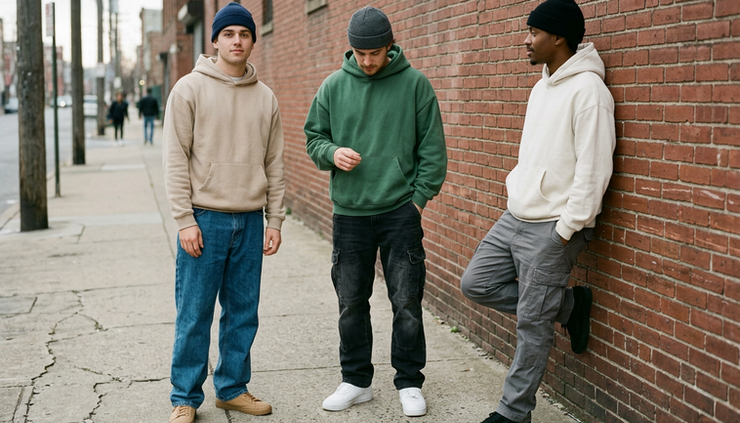
Wide-angle view of a city sidewalk with three people wearing layered hoodies, loose pants, and sneakers.
Street clothing works best when it looks lived-in, not overplanned.

How streetwear started on sidewalks, beaches, and blocks


Streetwear did not begin as a fashion category with seasonal rules. It started as a mix of local scenes.


In Southern California, surf and skate communities shaped the early look. People wanted clothes that could take a beating, move easily, and still say something. T-shirts, durable shorts, work pants, caps, and sneakers made sense because they fit the life around them. Skate culture added abrasion, attitude, and DIY graphics. A scuffed shoe or faded tee was not a flaw. It showed the piece had been used.


On the East Coast, hip hop fashion helped define a different side of the movement. Tracksuits, bomber jackets, gold jewelry, bucket hats, oversized denim, and sneakers became part of a larger visual culture tied to music, dance, graffiti, and neighborhood pride. Artists dressed with presence. Fans followed because the clothes felt connected to sound, place, and attitude.


The early appeal was simple: the clothes were wearable, expressive, and close to real life. They did not ask people to dress like someone else. They gave people tools to show where they came from, what music they loved, what subcultures they followed, and how they moved through the city.


The T-shirt became a billboard for identity


The graphic tee is one of the most important pieces in the story. It turned a basic cotton shirt into wearable art. Skate shops printed local graphics. Bands sold shirts at shows. Hip hop artists used merch to mark a moment. Brands used illustrations, photos, slogans, and parody to create instant recognition.


A strong tee could do several things at once:


  • Show a music influence

  • Reference a city, crew, or subculture

  • Add humor or irony

  • Bring art into daily clothing

  • Make a simple outfit feel intentional


That is why graphic tees still anchor so many cool outfits. A tee, relaxed pants, and stylish sneakers can say more than a heavily styled look.


Sneakers made the ground part of the outfit


Sneakers started as athletic footwear, but basketball, running, tennis, and skate shoes all crossed into daily dress. The reason is not hard to understand. They were comfortable, visible, collectible, and tied to athletes, musicians, and local scenes.


Sneakers also changed how people thought about value. A limited shoe could feel as important as a jacket. Colorways, materials, collaborations, and release stories turned footwear into a fashion statement. In many outfits, the sneakers are the first thing people notice.


This changed casual wear across the country. Jeans and sneakers became normal almost everywhere. Hoodies and sneakers became acceptable far beyond the skate park or the court. The line between sportswear and fashion kept getting thinner.


How the movement evolved through each era


Streetwear has never stayed still. It keeps borrowing, remixing, and reacting. Each era added something that still shows up in modern street fashion.


The 1980s brought surf graphics, hip hop style, and early sneaker culture


The 1980s gave the movement a clear visual foundation. Surf-inspired graphics and scribbled logos helped create the idea of a streetwear brand built around attitude as much as clothing. Shawn Stussy is widely credited as one of the early figures who helped turn surf style into a broader cultural uniform.


At the same time, hip hop became a powerful style engine. The clothing was bold, visible, and full of personality. Tracksuits, shell toes, varsity jackets, leather bombers, bucket hats, and logo-heavy pieces all helped define the look.


Sneaker culture also grew during this period, especially through basketball. Shoes became tied to performance, aspiration, and personal taste. They were not just what someone wore with an outfit. They were the outfit’s emotional center.


The 1990s made the fit bigger and the attitude sharper


The 1990s pushed silhouettes wider. Oversized clothing became one of the most recognizable parts of the look. Baggy jeans, roomy jackets, heavyweight hoodies, and loose tees reflected music videos, skate videos, school hallways, and city streets.


Brands such as FUBU, Cross Colours, Karl Kani, and Ecko helped define an era when urban fashion felt closely linked to hip hop, community ownership, and visibility. Meanwhile, Supreme opened in New York in 1994 and built a shop culture around skating, scarcity, graphic drops, and downtown cool.


Vintage streetwear from this era still matters because it carries texture. Faded cotton, boxy cuts, old graphics, washed denim, and worn-in sneakers feel different from fresh mall basics. They bring history into an outfit.


The 2000s connected Japan, collectors, and internet hype


The 2000s expanded the map. Japanese labels and tastemakers played a huge role in making street style more detail-driven and collectible. Nigo’s A Bathing Ape, founded in the 1990s, became globally known for camo patterns, shark hoodies, and limited drops. Hiroshi Fujiwara helped shape the language of collaboration through music, design, and street culture connections. Jun Takahashi’s Undercover blended punk, street elements, and high fashion in ways that still influence designer streetwear.


This era made scarcity a bigger part of the experience. Limited releases, campouts, forum culture, and early resale markets turned clothing drops into events. People did not just buy garments. They followed stories, release dates, and communities.


The 2010s brought luxury fashion into the conversation


The 2010s made the connection between streetwear and luxury impossible to ignore. Virgil Abloh’s Off-White, founded in 2012, became one of the clearest examples of how street codes could sit inside high-end fashion. Abloh used quotation marks, industrial details, conceptual graphics, and accessible references to speak to a generation raised on music, sneakers, and the internet.


Luxury houses also absorbed the energy. Hoodies, sneakers, crossbody bags, puffers, and oversized shapes moved onto major runways. Designers such as Kim Jones helped make collaboration feel central to modern fashion rather than secondary to it.


Fashion influencers, musicians, athletes, and stylists sped up the cycle. A fit could move from a niche community to a global reference almost overnight. The look became less tied to one city and more tied to a shared visual language.


The 2020s made comfort, sustainability, and personal styling matter more


The 2020s pushed comfort even further into everyday dressing. Fashionable hoodies, wider pants, fleece, technical jackets, and refined sneakers became basic wardrobe pieces for people who may not follow drops or resale markets at all.


At the same time, people started caring more about sourcing and longevity. Eco-friendly streetwear, upcycled pieces, thrifted finds, and small-batch labels now sit beside big-name brands. The best outfits often mix old and new: a thrifted jacket, a clean hoodie, vintage denim, and a pair of current sneakers.


Today, the culture feels more open. It includes outdoor streetwear, gorpcore details, workwear, unisex fashion, bold prints, minimalist basics, and artistic designs. The strongest looks do not copy one era. They connect comfort, identity, and proportion.


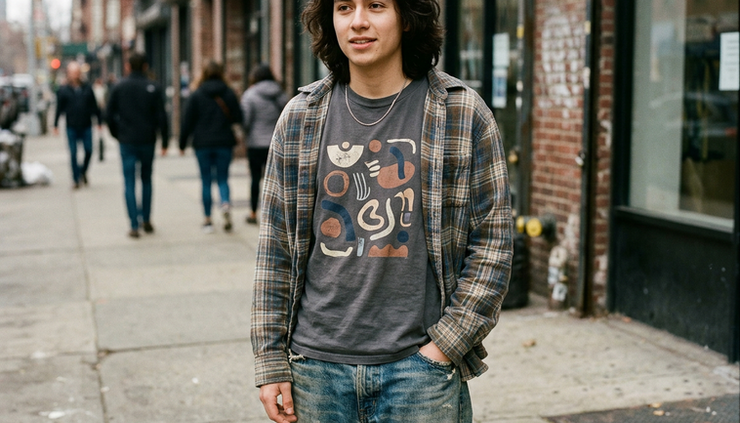
Close-up view of a worn graphic T-shirt layered under an open flannel with loose denim.
A great graphic tee can carry a whole outfit without trying too hard.

The brands and designers that shaped the scene


Streetwear has always grown through people who understood culture before trend. The names below did more than sell clothes. They built visual codes that others still reference.


Brand or designer

What they helped define

Why it still matters

Shawn Stussy and Stüssy

Surf graphics, hand-drawn identity, global street attitude

Showed how a local look could become a worldwide uniform

James Jebbia and Supreme

Skate shop energy, limited drops, graphic power

Helped create the modern drop model and collectible culture

Nigo and A Bathing Ape

Japanese street collecting, camo, playful graphics

Made scarcity, character graphics, and street luxury feel global

FUBU

Community-led hip hop apparel

Proved that ownership and cultural connection could drive style

Karl Kani

Baggy denim, hip hop tailoring, bold branding

Helped shape the silhouette of 1990s rap fashion

Cross Colours

Color, social messaging, youth identity

Connected clothing with culture and message

Hiroshi Fujiwara

Collaboration culture, music influence, quiet taste

Set the tone for how brands, artists, and designers could meet

Jun Takahashi and Undercover

Punk, art, and street references

Blurred the line between subculture and runway design

Virgil Abloh and Off-White

Conceptual graphics, luxury street codes, cultural fluency

Made street references central to high fashion conversations

Palace

Skate humor, British references, bold graphics

Brought a playful, video-driven skate feel to global fashion


This list is not complete, and that is part of the point. The culture has many centers. New York, Los Angeles, Tokyo, London, Paris, Atlanta, Chicago, Seoul, and countless other places all shaped the wider conversation.


The best brands sell a worldview


A strong streetwear brand rarely depends on clothing alone. It builds a feeling. The store, music, graphics, community, photography, fit, and release rhythm all matter.


That is why some simple pieces become memorable. A blank hoodie can be fine. A hoodie connected to the right scene, cut, color, moment, and styling can feel essential.


The strongest labels understand three things:


  • Context matters

    Clothes feel different when they connect to music, sport, art, or local culture.


  • Fit carries the message

    A boxy tee, cropped jacket, or wide pant can change the whole mood.


  • Scarcity can create desire

    Limited releases build excitement, but longevity comes from quality and taste.


Collaborations changed everything


Collaborations helped the movement grow because they joined different audiences. Sneaker brands worked with artists. Skate labels worked with luxury houses. Outdoor companies worked with fashion designers. Musicians worked with sportswear brands.


The best collaborations feel natural. They do not just place two names on one product. They combine codes in a way that makes sense. A skate shoe with better materials. A technical jacket with a sharper silhouette. A hoodie that uses art, music, or local references in a fresh way.


The weaker ones feel like pure hype. They may sell fast, but they rarely age well.


Why streetwear changed everyday fashion


The biggest impact is not limited-edition sneakers or expensive hoodies. The bigger change is the way people now think about getting dressed.


Streetwear made comfort stylish. It gave casual pieces cultural weight. It made sneakers appropriate with more outfits. It made a hoodie something you could style, not just throw on. It made loose fits look intentional. It gave people permission to mix high and low, old and new, polished and worn-in.


Before this shift, many wardrobes separated “real clothes” from weekend clothes. Now the best daily outfits often come from that middle space.


A clean example:


Before

After

Slim jeans, plain top, casual sneakers, basic jacket

Relaxed denim, heavyweight tee, structured hoodie, statement sneakers, crossbody bag


The second version is not necessarily louder. It just has more shape, texture, and point of view.


The silhouette became more relaxed


One of the clearest changes is proportion. Oversized clothing moved from subculture to mainstream wardrobes. Wide-leg pants, slouchy denim, cropped bombers, boxy tees, and roomy hoodies now feel normal.


A relaxed silhouette does not mean everything needs to be huge. The best looks balance volume. If the hoodie is oversized, the pants can be straight or wide but clean. If the pants are very baggy, a shorter jacket can keep the outfit from feeling sloppy.


Sneakers became the default anchor


Stylish sneakers now work with jeans, cargos, skirts, dresses, tailored trousers, and utility pants. They make outfits feel grounded and current.


The trick is choosing the right sneaker for the outfit:


  • Low-profile sneakers work with cleaner, minimal looks.

  • Chunky sneakers work with wider pants and sporty layers.

  • Skate shoes work with denim, cargos, and graphic tees.

  • Retro runners work with technical jackets and outdoor layers.

  • Basketball-inspired sneakers work with straight denim and oversized tops.


Accessories became part of the language


Streetwear accessories often add function first. Caps, beanies, crossbody bags, nylon shoulder bags, socks, belts, and simple jewelry make outfits feel complete without looking overdone.


A beanie can soften a strong jacket. A cap can make a cleaner outfit feel more relaxed. A crossbody bag can add shape to a hoodie and cargo pants. Socks can connect sneaker colors to the rest of the fit.


Graphics changed how people use clothing


Streetwear graphics made clothing feel closer to posters, album covers, zines, and public art. A shirt could be funny, political, nostalgic, abstract, or emotional. That opened the door for clothing as wearable art, not just decoration.


This is why edgy clothing can still feel thoughtful when it has a clear reference. A graphic tee under a canvas jacket reads differently than a random loud print. The styling gives the piece room to speak.


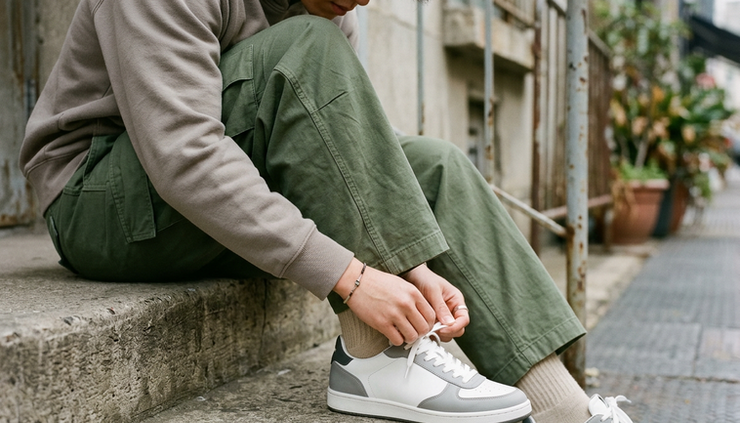
Eye-level view of a person tying clean sneakers beside wide cargo pants on a concrete step.
Sneakers often set the tone before the rest of the outfit is noticed.

How to wear streetwear in daily outfits


The easiest way to wear the look is to stop treating it like a costume. Start with one or two elements, then build around them. The goal is balance: comfort, proportion, texture, and a clear focal point.


Start with one statement piece


Choose one item that carries the outfit. It could be a graphic tee, bold sneakers, a varsity jacket, a patterned fleece, or wide cargo pants.


Then keep the other pieces quieter.


For example:


  • Graphic tee with straight jeans, simple sneakers, and a plain overshirt

  • Statement sneakers with washed denim, a white tee, and a neutral hoodie

  • Patterned jacket with black pants, a blank tee, and low-profile shoes

  • Wide cargo pants with a fitted ribbed tank or boxy cropped tee


This keeps the outfit stylish without turning every piece into competition.


Use proportion like styling glue


Proportion matters more than hype. A great fit can make affordable pieces look sharp, while a poor fit can make expensive pieces look awkward.


Try these combinations:


  • Boxy tee with straight-leg denim

  • Oversized hoodie with clean wide pants

  • Cropped jacket with loose trousers

  • Longline coat with sneakers and a hoodie

  • Fitted base layer with baggier outerwear


If an outfit feels off, check the lengths. A hoodie that hits too low can fight with baggy pants. A jacket that ends near the waist can fix that fast.


Mix textures so simple pieces feel richer


Streetwear outfits often use basic shapes, so texture matters. Cotton, fleece, denim, nylon, canvas, leather, suede, mesh, and ripstop all bring different energy.


A simple fall outfit might include:


  • Heavyweight hoodie

  • Washed denim

  • Suede sneakers

  • Nylon crossbody bag

  • Beanie or cap


Nothing there needs to be loud. The textures do the work.


Keep color tight when the fit is bold


If you are experimenting with wider pants, oversized layers, or bold prints, limit the palette. Neutrals make new shapes easier to wear.


Good starter palettes include:


  • Black, gray, white, and silver

  • Navy, cream, denim, and white

  • Olive, tan, black, and gum sole

  • Brown, washed black, cream, and burgundy

  • Charcoal, faded blue, white, and forest green


Once the silhouette feels natural, add louder colors.


Build around sneakers instead of saving them for last


Many people choose shoes after the outfit. With street style, it often works better to start from the footwear.


Ask three quick questions:


  • Are the sneakers slim or chunky?

  • Are they clean or worn-in?

  • Are they neutral or colorful?


Then match the rest of the outfit to that mood. Chunky shoes usually need pants with more width. Slim sneakers can handle cleaner trousers. Colorful shoes work best when one color repeats somewhere else, such as a cap, sock, graphic, or jacket detail.


Add vintage without looking dated


Vintage pieces add character, but too many retro references can make an outfit feel like a costume. Use one older piece and style it with current shapes.


Try:


  • Vintage racing jacket with plain wide pants

  • Old band tee with clean denim and fresh sneakers

  • Thrifted flannel with a modern hoodie and cargos

  • Worn denim jacket with technical pants and runners


The mix matters. Vintage streetwear works best when it feels collected, not copied.


Make it wearable for different parts of the day


A daily outfit needs to work outside a photo. Think about weather, movement, and comfort.


For warm weather:


  • Boxy tee

  • Nylon shorts

  • Crew socks

  • Skate shoes or runners

  • Cap and small bag


For cooler weather:


  • Hoodie

  • Canvas jacket or puffer

  • Wide jeans or cargos

  • Sneakers with grip

  • Beanie


For a cleaner casual setting:


  • Plain heavyweight tee

  • Relaxed trousers

  • Minimal sneakers

  • Zip hoodie or overshirt

  • Simple watch or chain


This is where trendy apparel becomes practical. The pieces look current, but they still make sense for real life.


Trends worth watching now


Streetwear trends move fast, but some have enough flexibility to last beyond one season. These are worth paying attention to because they can blend into everyday wardrobes.


Technical outerwear keeps growing


Outdoor-inspired details are everywhere: shell jackets, fleece, trail sneakers, cargo pockets, zip-off layers, and water-resistant fabrics. This style works because it is useful. It also pairs well with denim, sweats, and wide trousers.


The key is restraint. One technical piece is usually enough. A shell jacket with jeans and sneakers looks easy. Full trail gear can feel too literal unless that is the point.


Quiet basics are replacing logo overload


Logos still matter, but many strong outfits now lean on shape and fabric instead. Blank hoodies, heavy tees, washed sweats, and relaxed pants feel more mature while still staying casual.


This shift rewards better cuts. A plain hoodie with the right weight, shoulder shape, and hood structure can look better than a louder piece with a weak fit.


Genderless styling feels natural


The movement has always borrowed across categories. Oversized tees, cargos, hoodies, varsity jackets, and sneakers work across many bodies and style preferences. That is why unisex fashion fits so comfortably here.


The focus is less on labels and more on proportion. A piece works if the shape, color, and styling feel right.


Personal graphics are getting stronger


People still love big visuals, but the best graphics feel specific. Local artists, small labels, music references, abstract prints, and hand-drawn artwork create more personal outfits than generic slogans.


If a graphic connects to something real, it ages better.


Resale and repair are part of the culture


Thrifting, repairs, and resale fit naturally into the scene because worn clothing has always had value. A faded tee, patched jacket, or repaired pair of jeans can feel more interesting than something perfect.


The same idea supports more mindful shopping. Buy fewer pieces with better fit, stronger fabric, and more styling range.


Low-angle view of a rack with neutral hoodies, utility jackets, and wide pants at an outdoor market stall.
Secondhand finds and timeless basics can make a wardrobe feel more personal.

Frequently Asked Questions


What is the difference between streetwear and regular casual clothing?


Regular casual clothing focuses on comfort and ease. Streetwear adds cultural references, stronger silhouettes, sneakers, graphics, scarcity, or styling choices linked to music, skating, sport, art, and youth culture.


Can streetwear look polished?


Yes. Use cleaner colors, better fabrics, and balanced proportions. A heavyweight tee, relaxed trousers, minimal sneakers, and a structured jacket can look polished while staying casual.


Do I need expensive brands to dress this way?


No. Fit, proportion, and styling matter more than price. Thrifted pieces, blank basics, vintage tees, and affordable sneakers can look great when the outfit feels balanced.


What is the easiest first piece to buy?


Start with a heavyweight hoodie, a boxy tee, or a versatile pair of sneakers. These pieces work with jeans, cargos, shorts, and jackets, so they are easy to wear often.


How do I avoid looking like I am trying too hard?


Limit the outfit to one main statement piece. Keep the rest simple, watch the fit, and choose clothes that match your daily life. Confidence comes from comfort as much as style.


The takeaway for building better everyday outfits


Streetwear became powerful because it made real clothes feel expressive. It took hoodies, tees, sneakers, denim, and jackets, then loaded them with music, sport, art, community, and attitude.


The best way to wear it now is not to chase every drop. Build a wardrobe with pieces that work hard: a great hoodie, a few strong tees, relaxed pants, sneakers you actually wear, one or two standout jackets, and accessories that add shape. Mix new with vintage. Balance volume with cleaner lines. Let one piece speak louder than the rest.


When the outfit feels comfortable, personal, and intentional, the culture’s influence is already there.


A great everyday outfit should feel easy, but it should never feel forgotten.


Most casual looks fall flat for one simple reason: the pieces are comfortable, but they lack intention. A plain tee, jeans, sneakers, and a hoodie can either look thrown together or quietly stylish. The difference usually comes down to fit, color, texture, layers, and one standout detail.


That is where Whimsy Tee fits beautifully. A graphic tee with personality can turn a basic outfit into something that feels expressive, relaxed, and pulled together. Whether the goal is casual chic, weekend comfort, or a little more character in daily dressing, the right tee gives the outfit a focal point without trying too hard.


This style guide covers practical, wearable ideas for building better casual outfits with pieces already in the closet, plus a few smart additions that make getting dressed easier.


Eye-level view of a person styling a graphic tee with jeans and sneakers in a bright bedroom.
A graphic tee can turn a simple outfit into a complete look.

Start with a tee that gives the outfit a point of view


The fastest way to improve casual wear is to stop treating the T-shirt as an afterthought.


A good tee does more than cover the basics. It adds mood, color, humor, nostalgia, artwork, or attitude. That makes it one of the most useful wardrobe essentials for everyday style.


A graphic tee from Whimsy Tee works especially well because it brings personality to simple outfits. Instead of relying on loud trends or complicated styling, the tee becomes the anchor. From there, everything else can stay clean and comfortable.


Think of the tee as the outfit’s starting line.


If the print is colorful, pair it with neutral bottoms. If the design is minimal, add texture through denim, canvas, corduroy, or knitwear. If the tee has a playful or nostalgic feel, balance it with cleaner pieces so the outfit feels grown-up rather than costume-like.


A few easy combinations work almost every time:


  • Graphic tee with straight-leg jeans and low-profile sneakers

  • Printed tee with wide-leg trousers and a cropped jacket

  • Oversized tee with biker shorts and an open button-down shirt

  • Fitted tee with relaxed denim and a cardigan

  • Vintage-style tee with cargo pants and canvas shoes


The goal is not to look overstyled. The goal is to look considered.


Fit matters here. A tee that pulls at the shoulders, clings in the wrong places, or hangs too long can make the whole look feel off. A well-fitting T-shirt should sit comfortably across the shoulders, skim the body, and land at a length that works with the bottoms.


For most casual outfits, three fits are the most versatile.


Classic fit


This is the easiest option for daily wear. It works tucked, half-tucked, or loose. Pair it with jeans, chinos, joggers, or casual skirts.


Relaxed fit


This fit feels current without looking sloppy. It pairs well with straighter or slimmer bottoms, since the outfit needs some shape.


Oversized fit


This creates a street style feel. Balance it with structured outerwear, slim shorts, leggings, or wide pants with a defined waist.


A tee with a strong design can carry the look, but the surrounding pieces decide whether the outfit feels polished. That is one of the most reliable casual style tips because it works across seasons, ages, and personal taste.


Build better outfits with fit, proportion, and balance


Casual clothing often gets judged by comfort first. That makes sense. No one wants to spend the day adjusting stiff jeans, tight sleeves, or shoes that pinch.


Still, comfortable fashion looks best when there is shape. A full outfit made only of loose pieces can feel heavy. A full outfit made only of tight pieces can feel dated or uncomfortable. Balance gives casual attire its ease.


The simplest way to think about proportion is this:


If one part of the outfit is relaxed, give another part a little structure.

That could mean an oversized tee with straight jeans and a clean sneaker. It could mean baggy cargo pants with a fitted tee. It could mean a slouchy hoodie under a structured denim jacket.


Here are easy ways to balance common casual outfits.


If the outfit feels too loose

Try this instead

Oversized tee with baggy sweats

Add a cropped jacket or choose tapered joggers

Big hoodie with wide-leg jeans

Wear a fitted tee underneath and define the waist

Maxi skirt with long tee

Tie, tuck, or crop the tee slightly

Relaxed jeans with relaxed tee

Add a belt and a cleaner shoe


The tuck is one of the simplest style hacks for everyday outfits. It changes the line of the body and makes the outfit feel intentional.


Try these versions:


  • Full tuck

    Best with high-rise jeans, trousers, and skirts. It gives the cleanest shape.


  • Half tuck

    Best for relaxed outfits. It adds shape without looking too neat.


  • Side tuck

    Best with oversized tees. It creates movement and shows the waistline.


  • No tuck

    Best when the tee length is right. It should look purposeful, not like the outfit was skipped halfway through.


Sleeve styling also helps. Rolling a T-shirt sleeve once or twice can sharpen the arm line and make an old tee feel new. Pairing a graphic tee with a slightly structured jacket can make even denim and sneakers feel elevated.


Shoes affect proportion too. Chunky sneakers make wide pants feel grounded. Slim sneakers work well with straight jeans. Sandals can soften a graphic tee. Boots add edge.


None of these dressing tips require a huge closet. They rely on small adjustments that make familiar pieces look better.


Close-up view of a graphic tee half-tucked into high-rise jeans with a belt and casual sneakers.
Small styling choices can make basics feel more polished.

Use color and texture to make simple outfits interesting


A casual outfit can be basic without being boring. The difference often comes from color and texture.


A white tee and jeans can look plain. A cream graphic tee, faded denim, suede sneakers, and a canvas tote already feel more styled. The formula barely changes, but the outfit has more depth.


Start with color.


Graphic tees make color easier because the design often gives built-in direction. Pick one shade from the tee’s artwork and repeat it somewhere else in the outfit. It could show up in socks, a hat, sneakers, a jacket, or a bag.


For example:


  • A tee with blue artwork pairs well with light-wash denim or navy sneakers.

  • A tee with red details looks good with a red cap, burgundy socks, or a warm-toned jacket.

  • A tee with earth tones works with olive pants, tan canvas, brown sandals, or a cream cardigan.

  • A black-and-white tee pairs easily with gray denim, black cargos, or a patterned overshirt.


This creates harmony without matching everything exactly. Matching too much can feel stiff. Repeating one color feels natural.


Neutrals are still the backbone of an easy wardrobe. Black, white, gray, navy, cream, tan, olive, and denim shades make mix and match dressing easier. Once these are covered, brighter colors become easier to wear.


Texture is the next level.


Texture keeps simple style from looking flat. A cotton tee looks more interesting next to denim, fleece, leather, corduroy, canvas, linen, or knitwear. Even if the colors are quiet, the outfit gains dimension.


Try these texture pairings:


  • Soft graphic tee with rigid denim

  • Cotton tee with a chunky cardigan

  • Washed tee with a canvas jacket

  • Bright tee with faded jeans

  • Minimal tee with corduroy pants

  • Vintage-inspired tee with suede sneakers


Texture also helps seasonal dressing. In warmer months, pair tees with linen shorts, light denim, woven bags, and canvas sneakers. In cooler months, add flannels, quilted jackets, chunky socks, and knit hats.


This is where a lookbook mindset helps. Instead of thinking about single pieces, think in repeatable outfit combinations. Save the formulas that work, then swap the tee, pants, or shoes.


A few reliable outfit ideas:


The clean weekend outfit


Graphic tee, straight jeans, white sneakers, and a lightweight jacket.


The coffee run outfit


Oversized tee, leggings, crew socks, sneakers, and a zip hoodie.


The casual dinner outfit


Printed tee, dark denim, ankle boots, and a leather or denim jacket.


The warm-weather outfit


Graphic tee, linen shorts, slides or canvas sneakers, and sunglasses.


The fall layer outfit


Tee, flannel overshirt, relaxed jeans, and boots.


These combinations leave room for personal style while still giving structure. That is the sweet spot of elevated casual dressing.


Master layering without making the outfit feel bulky


Layering is one of the best ways to make casual outfits look complete. It adds presence while keeping the comfort.


The trick is to layer with intention. Too many thick pieces can feel heavy. Too many colors can feel busy. A great layered look usually has one base, one middle layer, and one outer layer.


A graphic tee works well as the base because it gives the outfit character right away.


Here are simple layering techniques that work with everyday pieces.


Start with a visible base layer


The tee should be seen. If the print gets fully hidden, the outfit loses its focal point.


Wear the jacket open, choose a cardigan with enough space, or layer with an unbuttoned shirt. This keeps the graphic visible and gives the look more personality.


Strong base layers include:


  • Graphic tee under a denim jacket

  • Printed tee under a flannel

  • Minimal tee under an open linen shirt

  • Vintage-style tee under a zip hoodie

  • Bold tee under a neutral cardigan


Keep the middle layer soft


The middle layer often decides how relaxed the outfit feels. A flannel, overshirt, hoodie, cardigan, or lightweight shacket can all work.


For a clean look, keep the middle layer neutral. For a more playful outfit, choose a pattern that shares a color with the tee.


A graphic tee with a plaid flannel works best when at least one color connects. If the tee has green in the design, a flannel with green or olive will feel tied together.


Use outerwear to sharpen the shape


Outerwear gives casual outfits structure. Denim jackets, bomber jackets, chore coats, utility jackets, quilted jackets, and casual blazers all add form.


A jacket can make a tee and joggers look more complete. It can also make jeans and sneakers feel more styled.


Good casual outerwear choices include:


  • Light-wash denim jacket for classic weekend outfits

  • Black denim jacket for sharper street style

  • Bomber jacket for sporty outfits

  • Chore coat for practical, relaxed looks

  • Quilted jacket for cozy fall and winter outfits

  • Utility jacket for an easy casual fashion trends feel


The jacket length matters. Cropped jackets define the waist. Hip-length jackets are easy and practical. Longer coats can look stylish, but they need cleaner pants and shoes to avoid looking messy.


Pay attention to the neckline


Necklines change the whole outfit. A crewneck tee under a crewneck sweatshirt can look crowded if the layers sit too close. A visible tee under an open button-down usually feels easier.


If layering under a hoodie, let the tee hem show slightly. If layering under a jacket, let the graphic sit high enough to be seen. If wearing a necklace, keep it simple so it does not fight the tee design.


Layering should make the outfit feel more like you, not less comfortable. If walking out the door feels easy, the outfit is probably working.


Wide-angle view of a person wearing a graphic tee under an open flannel and denim jacket on a neighborhood sidewalk.
Layers make casual outfits feel finished without losing comfort.

Add accessories that feel useful, not forced


Accessories can make casual outfits look elevated, but they should not feel like costume pieces. The best ones fit the day and add a small amount of polish.


Start with practical accessories.


A clean cap, canvas tote, crossbody bag, watch, sunglasses, simple necklace, ring, belt, or socks can finish a look without taking over. Accessories styling works best when pieces repeat the mood of the outfit.


A playful Whimsy Tee pairs well with relaxed accessories. Think canvas, denim, rubber, leather, woven textures, and simple metals. High-shine dressy pieces can work, but they need balance.


Here is an easy accessory formula:


  • One practical item

  • One detail item

  • One optional seasonal item


For example:


  • Crossbody bag, small hoop earrings, and sunglasses

  • Canvas tote, watch, and baseball cap

  • Belt, necklace, and beanie

  • Backpack, patterned socks, and sunglasses


Shoes count as accessories too. They may be the most important finishing piece in casual outfits.


A tee and jeans can shift in several directions based on footwear:


Shoe choice

Outfit effect

White sneakers

Clean and classic

Canvas sneakers

Relaxed and casual

Chunky sneakers

Sporty and current

Loafers

Smart casual

Ankle boots

Edgy and grounded

Slides or sandals

Easy warm-weather comfort


Belts deserve more attention. A belt can make a basic tee and jeans look intentional. It also helps separate the top and bottom, especially with tucked tees.


Socks can make a casual outfit feel current too. Crew socks with sneakers, patterned socks with cropped jeans, or tonal socks that match the tee can add personality in a small way.


Jewelry should support the tee rather than compete with it. If the shirt has a busy graphic, keep jewelry simple. If the tee is minimal, accessories can be stronger.


Good everyday jewelry choices include:


  • Thin chain necklace

  • Small hoops

  • Simple watch

  • Signet-style ring

  • Beaded bracelet

  • Minimal pendant


For bags, match the lifestyle of the outfit. A canvas tote feels right with a casual tee and jeans. A crossbody bag suits errands, walks, and weekend outfits. A mini backpack works with sporty casual looks.


Accessories should answer one question: does this make the outfit feel more complete? If yes, keep it. If it feels distracting, skip it.


Create reliable outfit formulas for different days


Getting dressed gets easier when there are a few trusted formulas ready. These are not strict uniforms. They are repeatable combinations that remove guesswork.


The best formulas support real life: errands, school drop-off, casual workdays, road trips, brunch, concerts, movie nights, walks, and lazy Sundays.


Here are several Whimsy Tee outfit formulas to keep in rotation.


The everyday classic


Graphic tee, straight-leg jeans, clean sneakers, and a denim jacket.


This outfit works because every piece feels familiar. The tee adds personality. The jeans keep it grounded. The jacket gives structure.


Choose light-wash denim for daytime. Choose black or dark-wash denim for a slightly sharper look.


The relaxed street style outfit


Oversized tee, cargo pants, chunky sneakers, and a crossbody bag.


This look has comfort and shape. The oversized tee brings ease, while the cargo pants add utility. Keep the colors simple if the tee has a bold design.


Try black cargos with a bright tee or olive cargos with a cream graphic tee.


The soft weekend outfit


Graphic tee, joggers, crew socks, sneakers, and a zip hoodie.


This is comfortable fashion at its best. The key is choosing joggers with a clean fit, not old sweats that have lost shape. A fresh graphic tee keeps the look intentional.


Choose matching or tonal socks to make the outfit feel more styled.


The casual chic outfit


Printed tee, wide-leg trousers, sneakers or loafers, and a cropped jacket.


This is a great example of elevated casual. The trousers add polish. The tee keeps the outfit relaxed. The jacket pulls the proportions together.


This formula works well for casual lunches, creative events, or days when jeans feel too predictable.


The warm-weather easy outfit


Graphic tee, relaxed shorts, canvas sneakers, and sunglasses.


Shorts can look polished when the fit is right. Aim for a clean shape and a comfortable length. Denim shorts, chino shorts, linen shorts, and relaxed pull-on shorts can all work.


A half tuck can help the outfit feel more finished.


The casual night-out outfit


Graphic tee, dark jeans, boots, and a jacket.


A tee can work at night when the rest of the outfit has a little edge. Choose darker denim, a sharper shoe, and structured outerwear.


A black denim jacket, leather-style jacket, or bomber works well here.


The creative mix and match outfit


Graphic tee, patterned skirt or pants, simple sneakers, and minimal jewelry.


This is for days when the outfit can be more playful. The key is color connection. Let one color in the tee repeat in the patterned bottom.


If the pattern is strong, keep the shoes simple.


A closet with good formulas becomes easier to use. That is also the heart of smart lifestyle fashion: clothes should support the day, not slow it down.


Shop with intention so casual style lasts


Better everyday style does not require buying a new closet. It comes from choosing pieces that work together.


Before buying another casual piece, ask three questions:


  • Can this be worn with at least three things already owned?

  • Does the fit support real daily movement?

  • Does it express a mood, color, or style that feels natural?


If the answer is yes, the piece is more likely to earn repeat wear.


Graphic tees are especially useful because they refresh staples. The same jeans, shorts, sneakers, and jackets can feel new when the tee changes. That makes a well-chosen tee one of the easiest ways to build more outfit ideas without overbuying.


Whimsy Tee is a smart place to start because the designs bring character to basic outfits. A playful tee can carry a weekend look, soften structured layers, or make casual attire feel more personal. It is an easy fashion upgrade that still feels comfortable.


A strong casual wardrobe usually includes:


  • A few graphic tees with different moods

  • Straight or relaxed jeans

  • One darker denim option

  • Comfortable sneakers

  • A casual jacket

  • A soft layer such as a hoodie, cardigan, or flannel

  • One pair of trousers or wide-leg pants

  • Simple accessories that work often


The goal is versatile clothing. Pieces should mix easily, wash well, and feel good throughout the day.


Trendy outfits can be fun, but personal style lasts longer. Use trends as seasoning, not the whole meal. If a trend works with the clothes already in rotation, try it. If it requires buying five new pieces to make sense, it may not fit real life.


Fashion inspiration is useful when it leads to better choices. Save photos of outfits that feel wearable, then look for patterns. Maybe the saved looks all include relaxed denim, bold tees, neutral jackets, or colorful sneakers. Those patterns reveal what to shop for and what to skip.


Fashion blogging often focuses on big seasonal shifts, but most people need repeatable daily answers. What works with jeans? What tee looks good under a jacket? What shoes make this outfit feel current? What can be worn all weekend?


Those are the questions that build a wardrobe with staying power.


Overhead view of a casual outfit laid out with a graphic tee, jeans, sneakers, tote bag, and sunglasses.
A good outfit formula makes casual dressing easier.

FAQ


How can I make a casual outfit look more stylish?


Start with fit, then add one focal point. A graphic tee, clean sneakers, a jacket, or a strong accessory can make basics look intentional. Tucking the tee, rolling the sleeves, or adding a belt can also help.


Are graphic tees still in style?


Yes. Graphic tees stay relevant because they are personal, comfortable, and easy to style. The key is pairing them with balanced pieces, such as straight jeans, trousers, jackets, or clean sneakers.


What should I wear with a Whimsy Tee?


A Whimsy Tee works well with jeans, cargos, shorts, skirts, joggers, or wide-leg trousers. For an easy outfit, pair it with straight jeans, white sneakers, and an open denim jacket.


How do I dress casual without looking sloppy?


Choose comfortable pieces with clean shape. Avoid wearing every item oversized at once. Add structure with a jacket, belt, fitted base layer, or polished shoe.


Can casual outfits work for dinner or going out?


Yes. Choose a graphic tee, dark jeans, boots or clean sneakers, and a structured jacket. Keep accessories simple and make sure the tee fits well.


Make everyday outfits feel more like you


Elevating casual style is less about dressing up and more about dressing with intention. A better tee, a cleaner fit, a smart layer, and one useful accessory can change the whole mood of an outfit.


Start with the piece closest to your personality. For many everyday looks, that piece is the graphic tee. It sets the tone, adds color, and makes basics feel less basic.


For playful, expressive tees that can anchor countless casual outfits, explore Whimsy Tee. Pick a design that feels like you, then build around it with the jeans, jackets, sneakers, and accessories already in your closet.


The best everyday outfit is comfortable enough to live in and styled enough to feel good wearing it.


bottom of page